Traverse City considers tax break for small rental housing district
Traverse City is weighing a tax break that could make duplexes, triplexes and four-unit rentals pencil out. Supporters say the payoff would be slower and smaller, not a quick surge of apartments.

A proposed property-tax break in Traverse City would give new or renovated rental buildings with four units or fewer an exemption for up to 12 years, with the goal of making small-scale housing cheaper to build or rehab. Commissioners must decide whether the incentive can produce more rentals that local workers can actually afford before a state deadline closes the door.
The proposal sits inside Michigan’s Attainable Housing Exemption law, enacted in 2022. The law lets local governments create attainable housing districts and issue property-tax exemption certificates for one to 12 years, but the projects must be rental housing with no more than four units and still need approval locally and from the Michigan State Tax Commission. The exemption is meant to help renovate aging facilities and support new small rental construction.
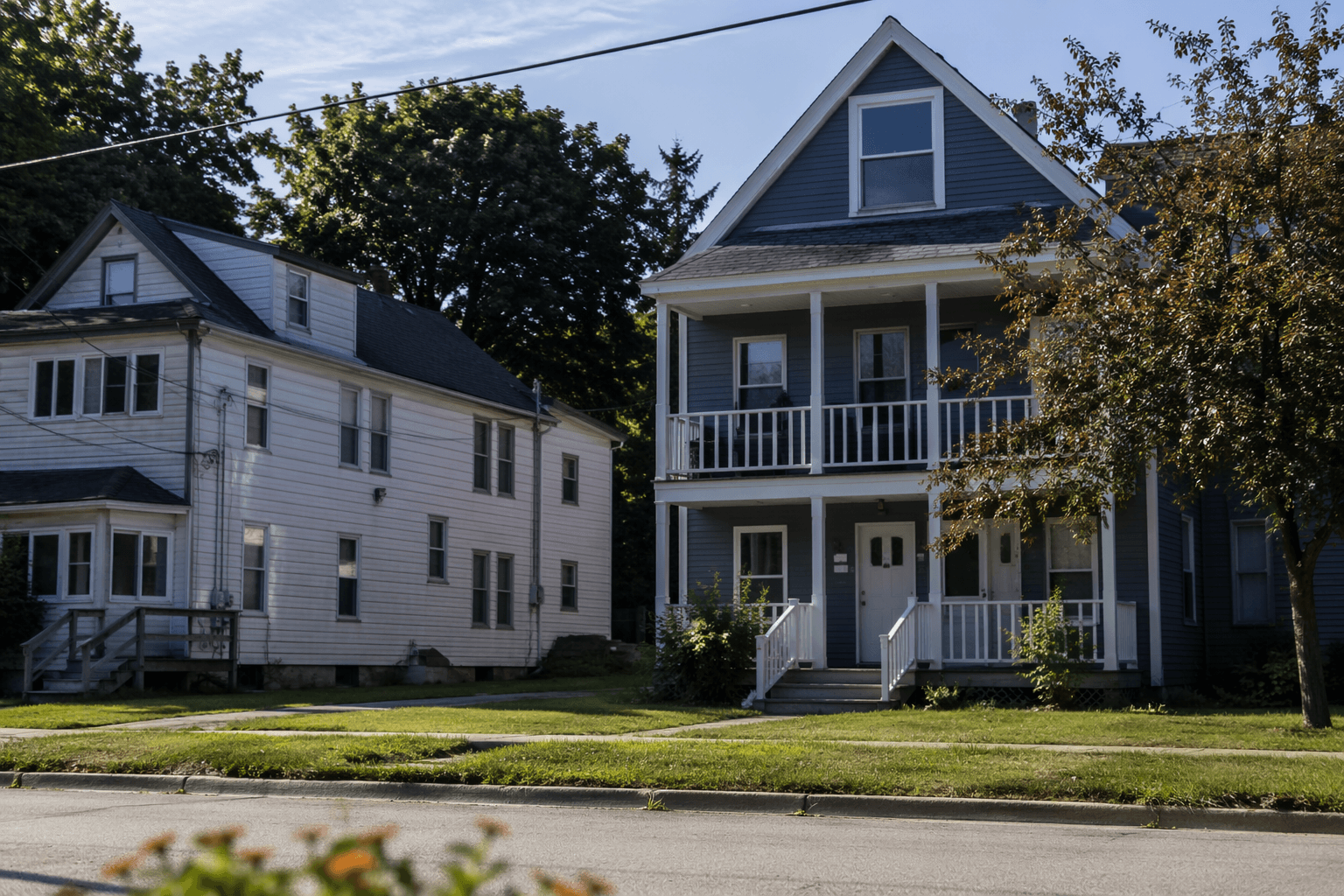
In Traverse City, the idea fits a larger housing strategy that has already leaned on greater density, smaller units, PILOT partnerships and city-owned land for affordable housing. The Planning Commission wanted to remove barriers to more housing variety and attainable housing opportunities. The new district would extend that logic to the smallest rental buildings, especially older duplexes, triplexes and four-unit properties where renovation costs can overwhelm the return.
Small property owners and local developers would be the first to use it as they try to make the numbers work on aging buildings. Tenants would feel the effect later, if the tax break helps bring more modest units onto the market without the jump in rents that often comes with larger projects and higher financing costs. Even then, the change would be incremental, not immediate, because the policy is aimed at a narrow slice of the market and depends on owners deciding the exemption is worth the effort.
In Grand Traverse County, the shortage is large. A 2023 Housing North and Bowen National Research study estimated an overall gap of 11,361 units in the county, including 3,569 rental homes and 7,792 for-sale homes. A separate regional assessment put the broader 10-county northwest Michigan region at about 31,000 new units needed to keep up with demand. Grand Traverse County is now launching another housing study to pinpoint where development is needed and which incentives could increase production.
This article was produced by Prism’s automated news system from verified source data, official records, and press releases, then run through automated quality and moderation checks before publishing. The system is built and supervised by the people who set the standards it runs under. Read our full AI policy.
Did this article answer your question?