Traverse City infrastructure upgrades avert worse flooding, sewage spill risk
April floodwater pushed Traverse City’s new defenses to the edge, but a sewer relocation near the Boardman River may have kept 1.5 million gallons a day out of the water.

Traverse City’s April flood came close to turning a major infrastructure stress test into a public-health emergency. City officials said the Boardman River wall and sewer relocation work helped avert catastrophic damage near the FishPass site, where the water rose so high that the area approached a near 500-year flood elevation.
At a Monday study session, commissioners heard that the 2023 relocation of a 24-inch sanitary sewer main away from the river wall likely kept raw sewage from pouring into the Boardman River and Grand Traverse Bay. That line serves the entire west side of Traverse City and parts of Garfield and Elmwood townships, and city materials said a failure of the wall footing could have caused a catastrophic discharge into the river. Reporting tied the avoided spill risk to as much as 1.5 million gallons of raw sewage per day.

The sewer move began in April 2023 as part of the Boardman River Wall Stabilization project in the 100 block of E. Front Street. The city later said the work earned national recognition from the American Public Works Association, underscoring how a project built for a narrow stretch of riverfront carried consequences far beyond downtown. What happened in April also showed why the work mattered: the flood tested recently completed resilience investments around the Boardman, where the former Union Street Dam likely would have failed under the high water.
City officials and project leaders, including utilities director Art Krueger and Jacobs project manager Mark Huggard, told commissioners the investments worked. The city said more than $70 million has gone into infrastructure since 2021, and John Jury and other officials have linked that spending to a lower-risk outcome than residents might otherwise have faced during the historic flooding.
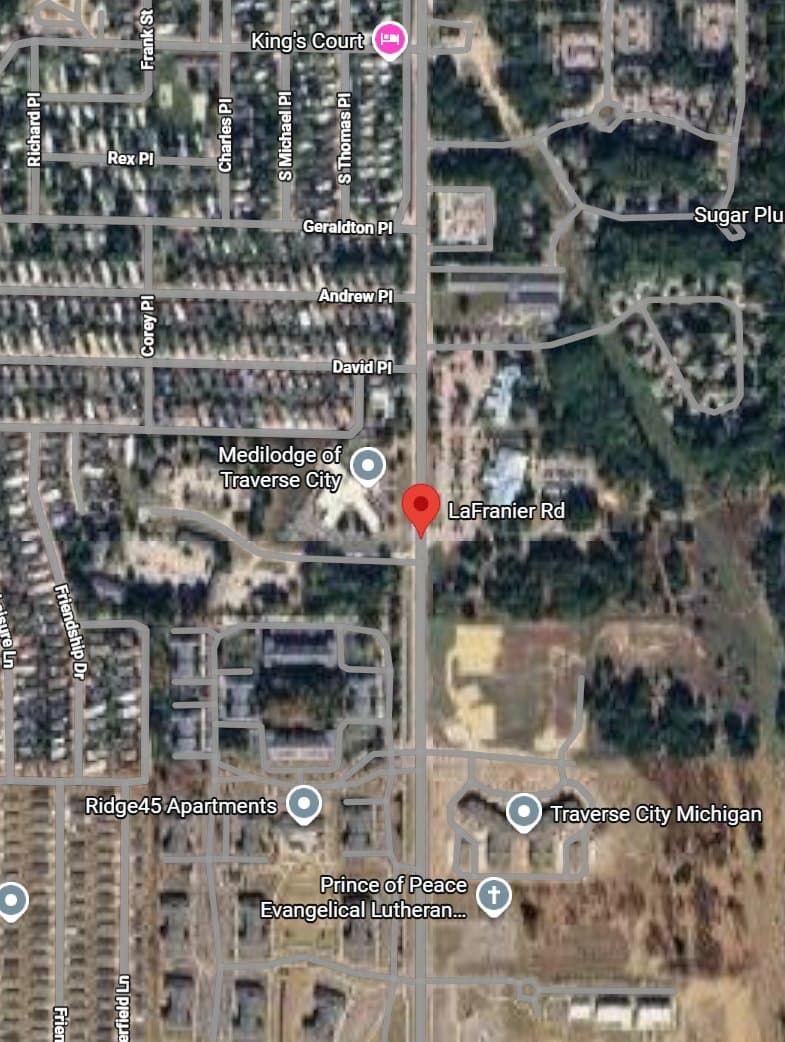
The damage was still real. The Boardman River at Beitner Road reached 7.8 feet on April 14, 2026, and Beitner Bridge collapsed as floodwaters moved through the system. But the near miss at the Boardman/Ottaway River corridor gave city leaders a concrete example of why sewer lines, river walls and dam replacements matter when stormwater surges. FishPass, which is replacing the deteriorating Union Street Dam as part of the broader Boardman/Ottaway River restoration project, remains part of that next layer of protection as Traverse City weighs what still needs reinforcement before the next major rain.
This article was produced by Prism’s automated news system from verified source data, official records, and press releases, then run through automated quality and moderation checks before publishing. The system is built and supervised by the people who set the standards it runs under. Read our full AI policy.
Did this article answer your question?