Traverse City seeks tourist tax to fund roads and police
Traverse City wants visitors to help cover roads and police, with a lodging tax that city leaders say could bring in as much as $7 million a year.
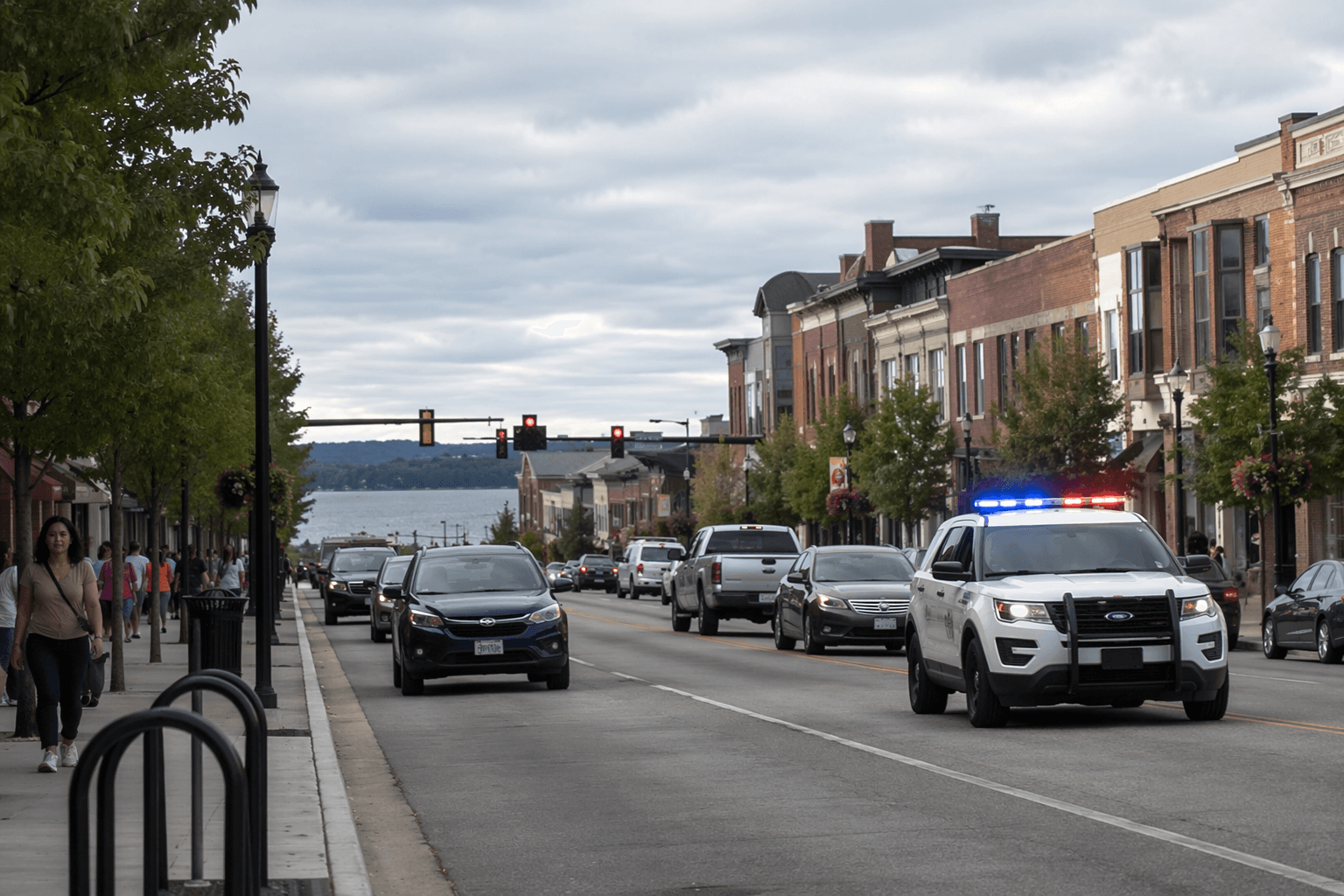
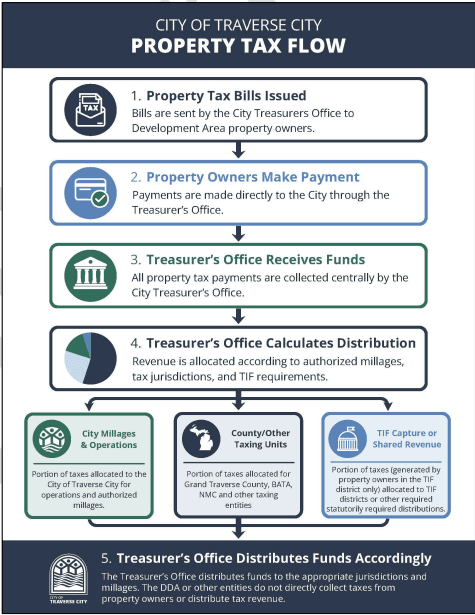
Traverse City is again trying to make visitors help pay for the roads, police calls and other services that swell when an estimated 7 million tourists pass through town each year. On July 14, City Manager Ben Marentette said he is building a coalition to push Lansing for an accommodation tax on hotels and short-term rentals, a change that could raise as much as $7 million annually.
The proposal would shift part of the cost of serving summer crowds from local taxpayers to the people filling downtown Traverse City, the bayfront and nearby lodging. Right now, Traverse City Tourism is funded by a 5% room assessment that brought in more than $9 million in 2023, but that money is used for promotion rather than roads or police. Across northern Michigan, hotel taxes generated almost $30 million for regional convention and visitors bureaus.
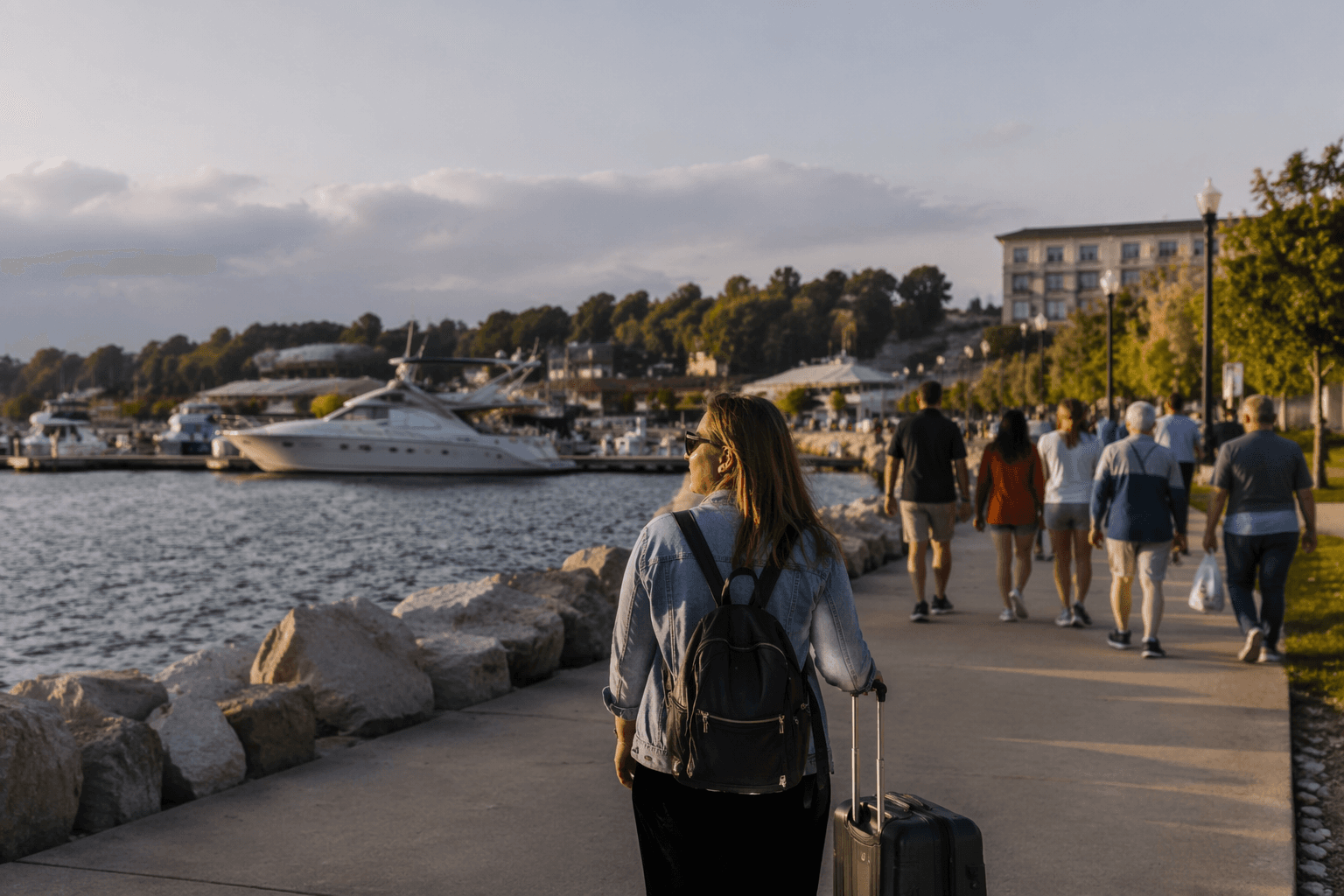
Grand Traverse County Sheriff Michael Shea has said summer calls for service spike when tourists arrive, and County Commissioner TJ Andrews has said he does not think any part of the county budget is untouched by the influx. The county budget was expected to be just over $114 million in 2025, and a new revenue stream could affect road maintenance, law enforcement staffing and other peak-season costs.
Any tax change would need help from the Michigan Legislature. A bipartisan 2025 bill package would allow local governments to levy an accommodation tax of up to 3% on hotels, motels and short-term rentals if voters approve it locally. Under that proposal, the money would go into local government general funds, with a portion sent to the state. The idea has been moving through local politics since at least 2024, when state Rep. John Fitzgerald called a prior hotel-tax proposal a “modernization” and said it would let some communities add a small percentage to hotel stays for local projects.
In 2025, a visit to Lansing organized through the Northwest Michigan Community Development Coalition brought more than 40 local business, nonprofit and governmental organizations into the same advocacy effort.
This article was produced by Prism’s automated news system from verified source data, official records, and press releases, then run through automated quality and moderation checks before publishing. The system is built and supervised by the people who set the standards it runs under. Read our full AI policy.
Did this article answer your question?