Traverse City’s $111 million budget follows community priorities
Traverse City is weighing a $111 million budget against a resident-built strategic plan. The real test is whether roads, water and staffing get the money first.
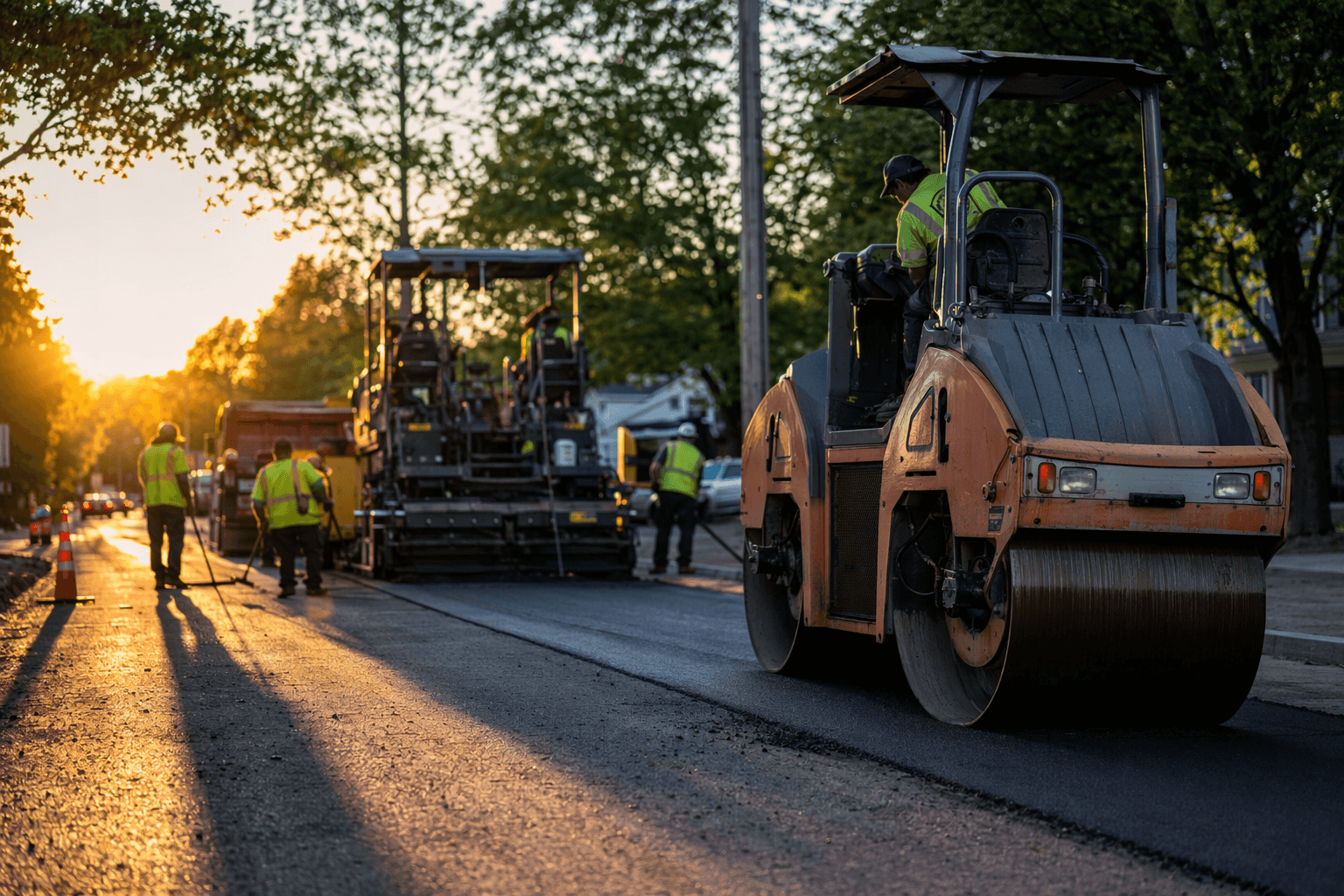
Traverse City is putting a $111 million budget against the promises of its 2025 Strategic Action Plan, and the city’s biggest choice is whether that money turns into better roads, steadier water service, parks and staffing, or stays mostly on paper. City leaders say the draft budget is being judged through six strategic objectives that residents helped define, making this less a bookkeeping exercise than a decision about what kind of city Traverse City wants to be.
The strategic plan was unanimously adopted by the City Commission on June 2, 2025, after a nine-month process that reached more than 1,500 community members. The city says the work included nine engagement sessions in January and February 2025, a survey with nearly 1,200 verified participants, and a community summit in May 2025. The plan is meant to guide programs and investments through 2030 and looks ahead to 2035, with its pillars now embedded in the city’s Objectives and Key Results system.
In February 2026, City Manager Benjamin Marentette said staff were aligning departmental work with the commission’s six strategic objectives. The OKR work plan asks departments to identify projects, timelines, funding needs, staffing capacity and outside partnerships, but city staff said most items still did not have developed funding strategies as of Feb. 26, 2026. A public-facing tracking platform is expected in the third quarter of 2026, which should make it easier to see whether the city is paying for its priorities or merely naming them.
The last adopted budget showed where Traverse City has been willing to spend. The 2025-26 plan totaled $88.4 million across all funds, including $25.4 million in the general fund. It added 11 new positions, moved two positions to full time, set aside 1% of general fund operating revenues for complete streets, and funded the North Union Street Bridge along with water and sewer infrastructure.
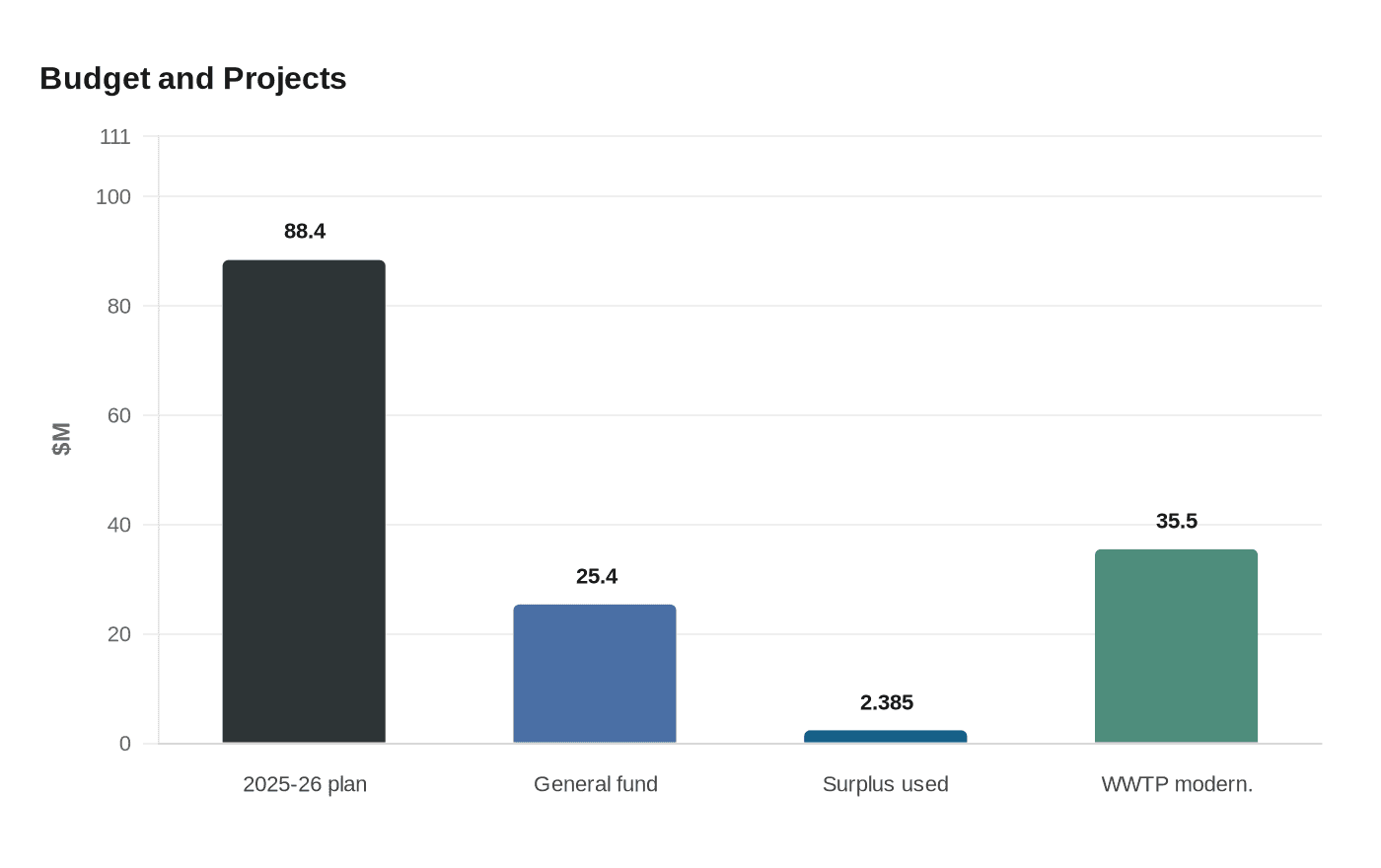
That budget also used a $2.385 million surplus, built from property tax revenue running above projections and unfilled positions, to cover a senior center reconstruction deficit, support IT separation from Grand Traverse County and bolster reserves. Before those allocations, fund balance stood near 41 percent; afterward, it fell to 31 percent. The next round comes as the city continues a multi-year $35.5 million modernization of the wastewater treatment plant, while crews have replaced 223 galvanized water service lines in 2025 and 546 since 2023.
This article was produced by Prism’s automated news system from verified source data, official records, and press releases, then run through automated quality and moderation checks before publishing. The system is built and supervised by the people who set the standards it runs under. Read our full AI policy.
Did this article answer your question?