A Special Blend to close High Point shop July 15
High Point is losing one of its few inclusive employers as A Special Blend closes July 15, ending a cafe that paid adults with disabilities and anchored a daily gathering spot.
A Special Blend will close its High Point shop July 15, ending a downtown workplace that gave adults with intellectual and developmental disabilities paid jobs, daily structure and a regular place to gather. The nonprofit said the store could no longer stay financially sustainable after operating at a loss for too long.
The closure leaves High Point with fewer options for the kind of mission-driven retail space that blends business with social service. Employees told local outlets they wished the shop could stay open, and store manager Bonnie Lovell said the board informed her the High Point location would shut because of low sales performance. For workers who depended on the cafe, the loss is not only a paycheck but also the routine and skills training that came with the job.
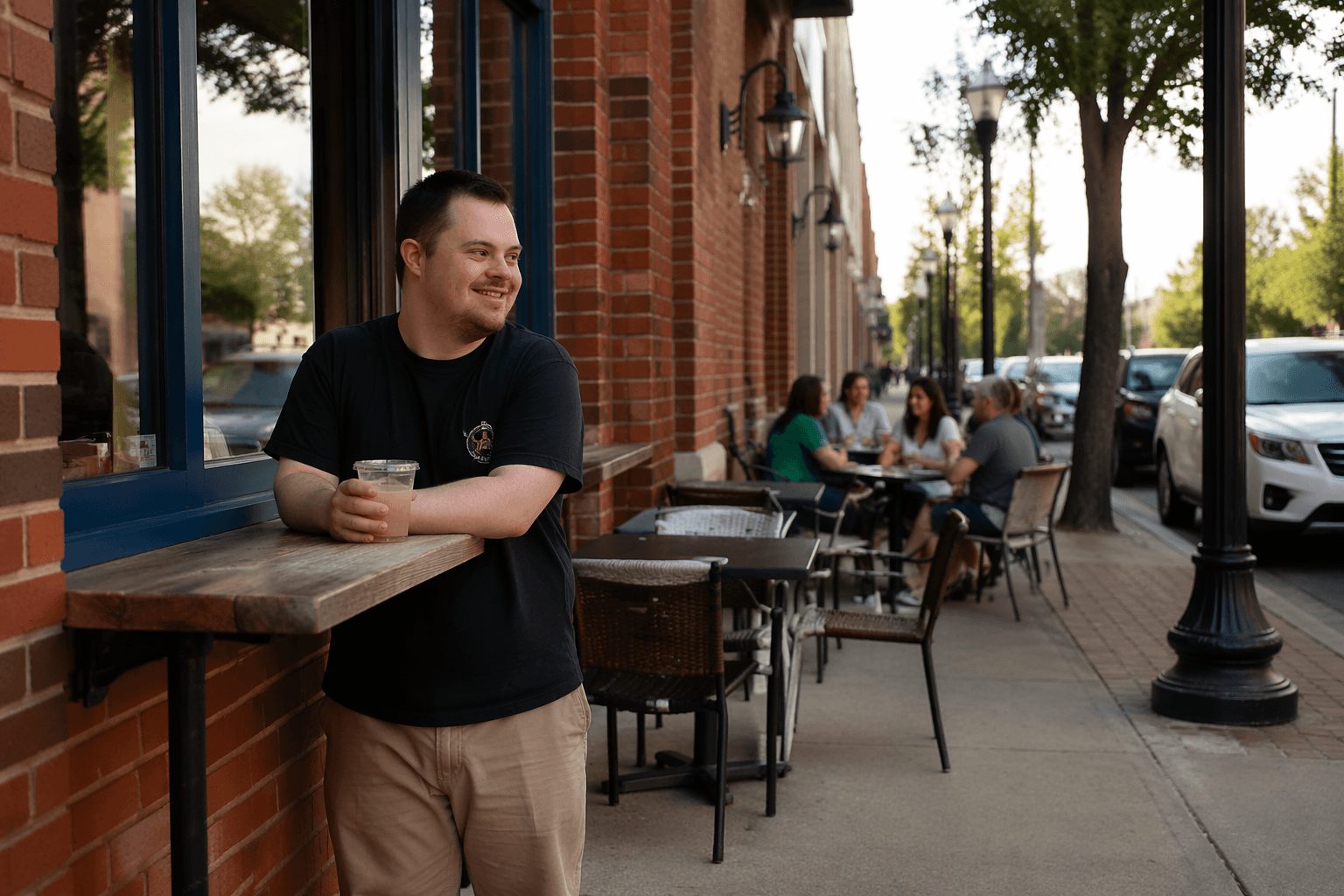
A Special Blend opened the High Point location in March 2024, expanding a Greensboro-based nonprofit that first opened in November 2018 on West Market Street. Its mission is to enhance the quality of life for adults with intellectual and developmental disabilities by providing meaningful employment and skills training, and the organization depends on donations as well as retail revenue. When the High Point expansion was announced, it was expected to employ more than 30 new workers, part of a model meant to create opportunity in a labor market where roughly 80% of adults with disabilities are unemployed.
The Greensboro shop remains open at 3900-C W. Market Street, with hours listed Monday through Saturday from 8 a.m. to 5 p.m. and Sundays from 10 a.m. to 4 p.m. Supporters who still want to buy coffee, snacks and meals can continue backing the nonprofit there, where the concept first proved it could draw a crowd, attracting more than 1,200 customers on opening day.
For High Point, the shutdown ends a short chapter that had become more than a retail experiment. It was one of the city’s few businesses built specifically around inclusive employment, and its loss will be felt by workers, regular customers and families who saw the shop as both a neighborhood stop and a source of support.
This article was produced by Prism’s automated news system from verified source data, official records, and press releases, then run through automated quality and moderation checks before publishing. The system is built and supervised by the people who set the standards it runs under. Read our full AI policy.
Did this article answer your question?