Greensboro cafe becomes a daily gathering place for neighbors
June storms knocked out power at Center Grove Grill, but the Greensboro diner reopened fast, keeping a neighborhood gathering place alive for lunch regulars and neighbors.
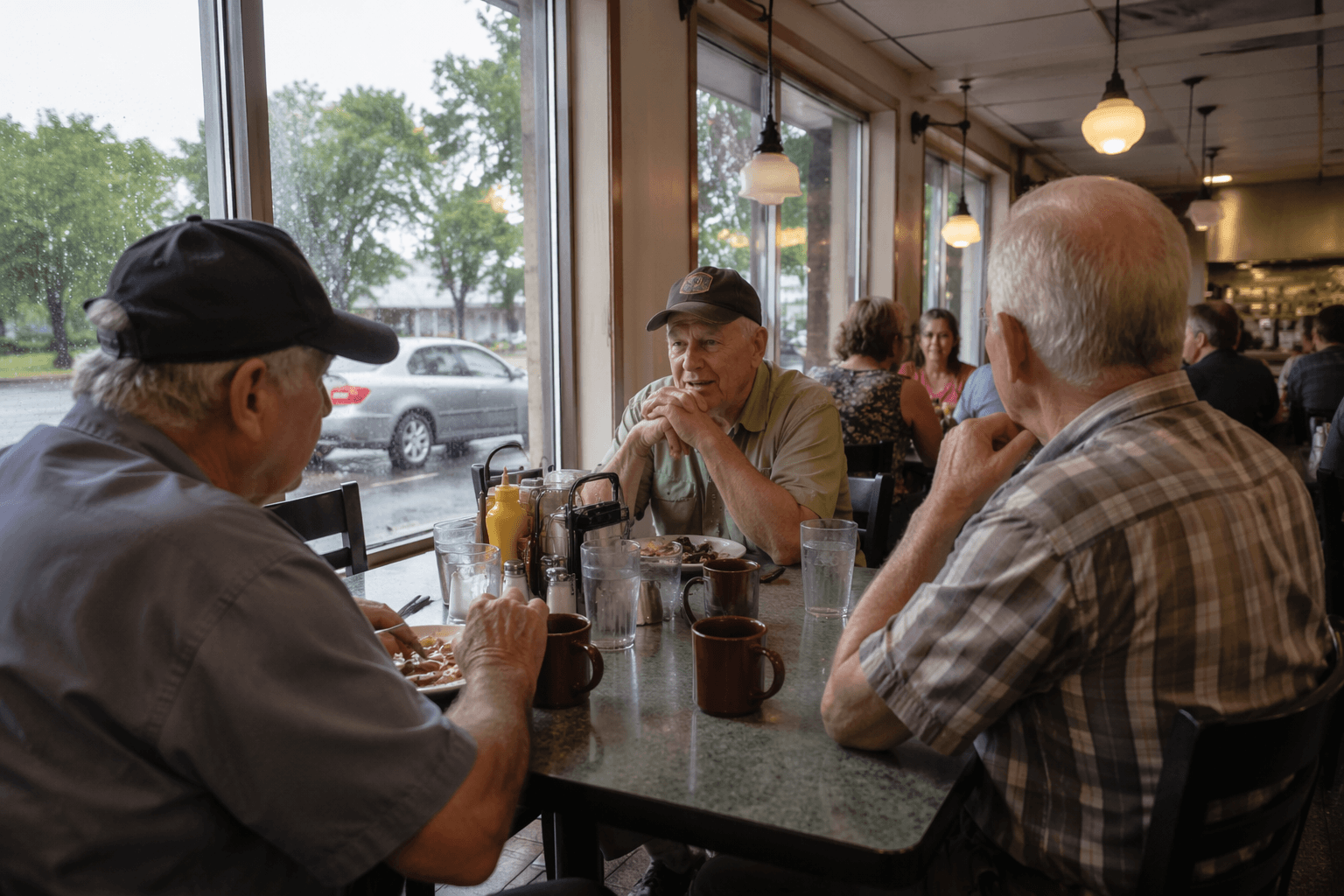
Center Grove Grill and Soda Shop has become the kind of place neighbors count on when routines get shaky. In Greensboro, the restaurant functions as more than a lunch counter, it is a daily meeting spot where regulars greet one another, orders move steadily out of the kitchen, and the dining room works like a small social network. That role matters most when severe weather interrupts the day, because a neighborhood spot like this is part business, part community infrastructure.
A storm test that hits small restaurants hard
Powerful June storms downed trees and power lines and left the restaurant without electricity for a time. For a small operation, that kind of outage is not a minor inconvenience. Fresh food can spoil, hot equipment cannot run, and a lunch crowd can vanish in a single afternoon if the doors stay shut too long.
Center Grove’s experience shows how quickly a neighborhood restaurant can move from steady service to vulnerability. The power came back, the doors reopened, and customers returned quickly, turning a brief disruption into a clear example of resilience rather than a long closure. That recovery matters in practical terms because every day open protects cash flow, preserves ingredients already bought, and keeps staff on the schedule instead of cutting shifts.
Why regulars treat the dining room like a gathering place
The restaurant’s appeal is rooted in the way it feels familiar. Owner Rhonda Hicks says the shop cooks food the way families cook at home, and that approach shows up in the room as much as on the plate. People do not come only to eat; they come to see one another, trade updates, and settle into a place where the staff knows the rhythm of the neighborhood.
That kind of loyalty is an economic asset as much as a cultural one. A restaurant with repeat customers can better absorb the cost of a bad weather day than a place that depends on random traffic alone. Center Grove’s steady stream of regulars gives it a cushion, and the personal attention Hicks and her team provide helps turn first-time diners into returning ones.
A menu built on memory, not just convenience
The Wednesday meatloaf special is one of the clearest examples of how Center Grove ties food to family history. Hicks bases it on her mother’s recipe, which gives the dish a personal anchor that reaches beyond simple weekly promotion. In a neighborhood setting, that kind of continuity can matter as much as price or portion size, because it gives customers a reason to build habits around the restaurant.
Diners also pointed to the chef salad and homemade chicken pie as favorites, which reinforces the larger picture: this is a place where consistency wins. The menu does not need flash to hold attention. It succeeds by delivering the same kind of food people remember from home, served in a room where they are recognized when they walk in.
Teamwork is what keeps the doors open
Hicks says teamwork keeps the operation running, and the pace of the restaurant makes that plain. Small restaurants cannot afford much slack when a storm knocks out power, a supplier runs late, or a busy lunch rush arrives all at once. Every role matters, from the kitchen to the dining room, because one missed step can affect service, waste, and revenue the same day.
That reality gives the restaurant’s recovery after the outage more weight. Reopening after a power loss is not just about flipping a switch back on. It means checking food safety, resetting the kitchen, getting the staff back into place, and persuading customers that the regular rhythm is back. Center Grove did that quickly enough to restore normal traffic, which is exactly what a small independent business needs after a weather hit.
Why this matters beyond one dining room
Center Grove’s story reaches beyond one block of Greensboro because neighborhood restaurants often carry more economic weight than their size suggests. They provide lunch jobs, buy food and supplies, and keep spending circulating close to home. When storms or outages shut one down, the disruption is not only emotional for regulars; it can also interrupt wages, waste inventory, and reduce the daily sales that keep a thin-margin business afloat.
The social value is just as concrete. A place where neighbors stop in every day becomes a low-cost gathering space, especially for people who do not have many other easy places to connect. In a city like Greensboro, where community life is spread across churches, schools, workplaces, and commercial corridors, a restaurant that doubles as a regular meeting place helps fill in the gaps between those institutions.
What Center Grove shows about resilience in Guilford County
The restaurant’s quick rebound after the June storms shows how local loyalty can function like an informal support system. Customers came back, the kitchen kept serving, and the business resumed its normal cadence before the disruption could become something worse. That outcome is not guaranteed for every small restaurant facing a power outage, which is why the survival of places like Center Grove depends on more than a good menu.
It depends on habit, trust, and the ability to stay open through the unexpected. At Center Grove Grill and Soda Shop, those pieces come together in a way that keeps the business visible, useful, and economically relevant to the neighborhood it serves.
This article was produced by Prism’s automated news system from verified source data, official records, and press releases, then run through automated quality and moderation checks before publishing. The system is built and supervised by the people who set the standards it runs under. Read our full AI policy.
Did this article answer your question?