Cone Health dermatologist warns of melanoma risks on Melanoma Monday
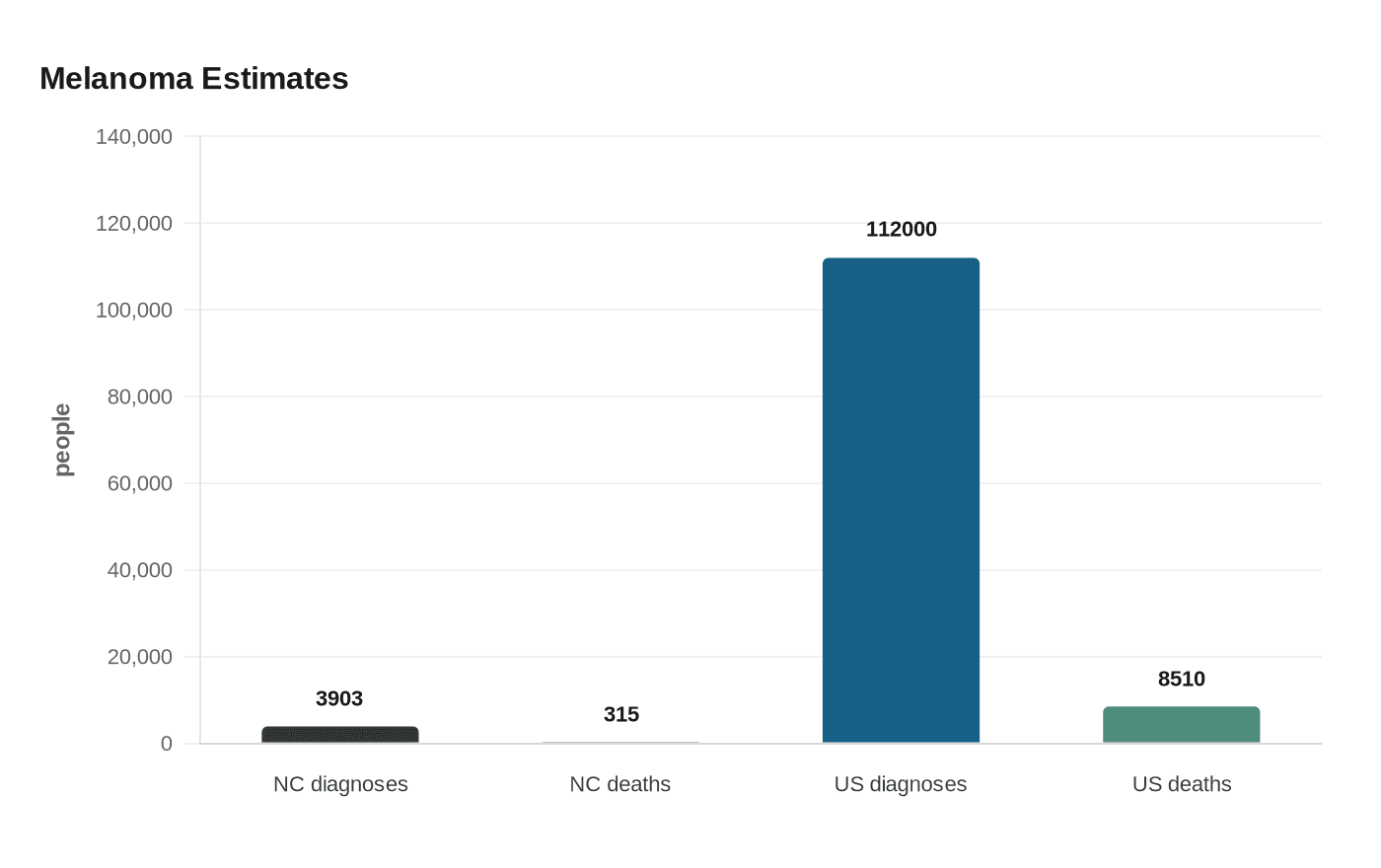
North Carolina expected 3,903 melanoma diagnoses in 2025, and Dr. Karina Paci used Melanoma Monday to spell out what Guilford County should watch for.

Melanoma remains one of the most dangerous skin cancers, and Cone Health dermatologist Dr. Karina Paci used Melanoma Monday to give Guilford County residents a simple warning: pay attention to skin changes now, before spring and summer sun exposure adds to the risk.
North Carolina expected 3,903 melanoma diagnoses and 315 deaths in 2025, and state cancer registry data showed melanoma was the 5th most frequently occurring cancer in the state from 2018 through 2022 and the 18th leading cause of cancer death from 2019 through 2023. Nationally, the American Cancer Society estimated about 112,000 new melanomas and about 8,510 melanoma deaths in 2026. The Centers for Disease Control and Prevention says melanoma causes the most deaths among all skin cancers, even though skin cancer is the most common form of cancer in the United States.
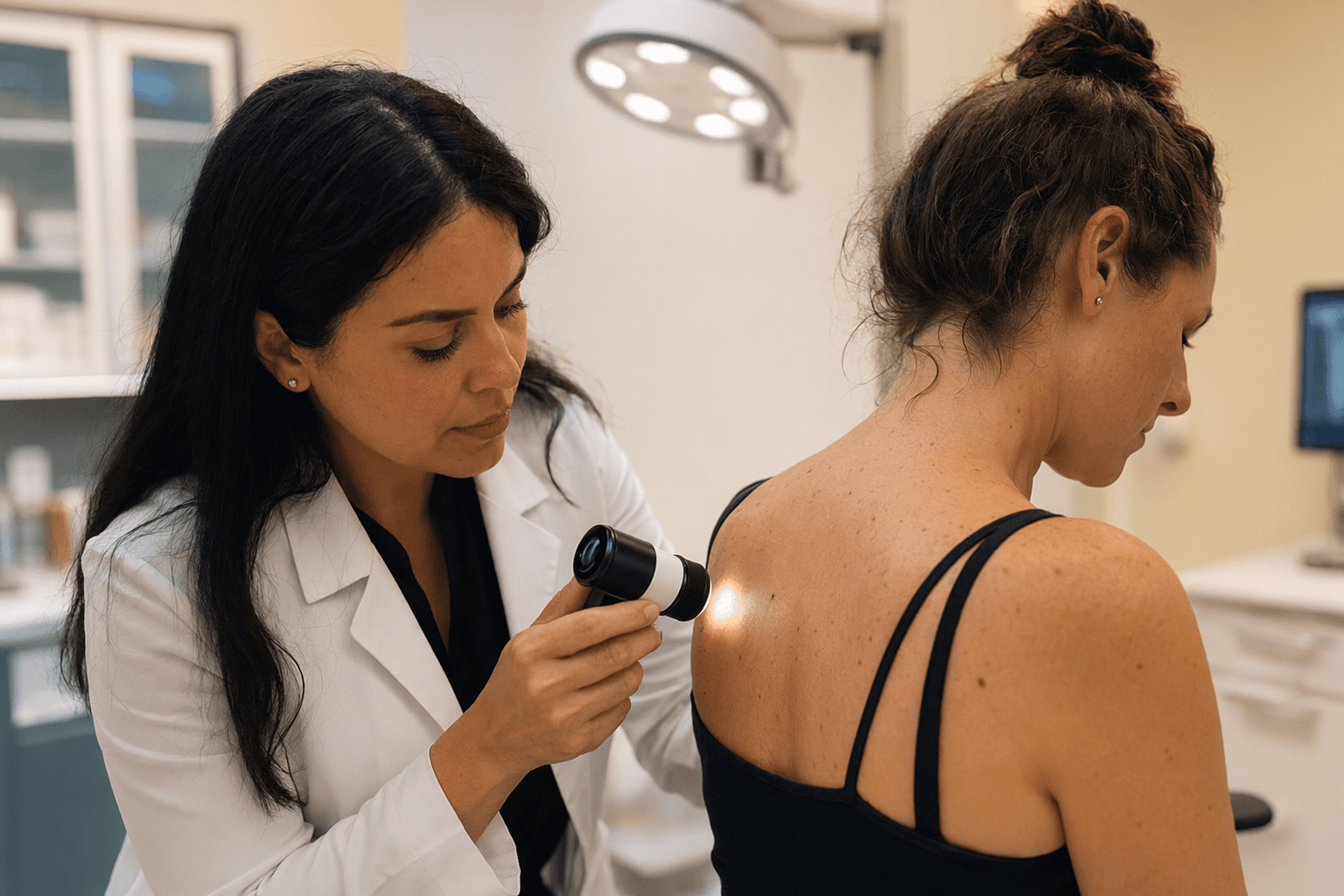
For people in Greensboro, High Point and across the Triad who work outdoors, coach youth sports, walk the trail system or spend long weekends in the sun, the message was not abstract. The first Monday in May has been Melanoma Monday since the American Academy of Dermatology launched it in 1995, and the observance is meant to push prevention, self-checks and early detection during Skin Cancer Awareness Month. The AAD’s 2026 Practice Safe Sun Survey also found that more than 16 million Americans had reduced or stopped using sunscreen because of online claims, a reminder that bad advice can carry real health costs.
Dr. Paci’s role gives that warning local weight. Her Cone Health profile says she is a double board-certified, fellowship-trained Mohs micrographic surgeon and dermatologist who leads Cone Health’s Mohs program in Greensboro. Cone Health says its dermatology service includes skin-cancer care and Mohs surgery, giving patients in Guilford County a nearby path from concern to diagnosis to treatment.
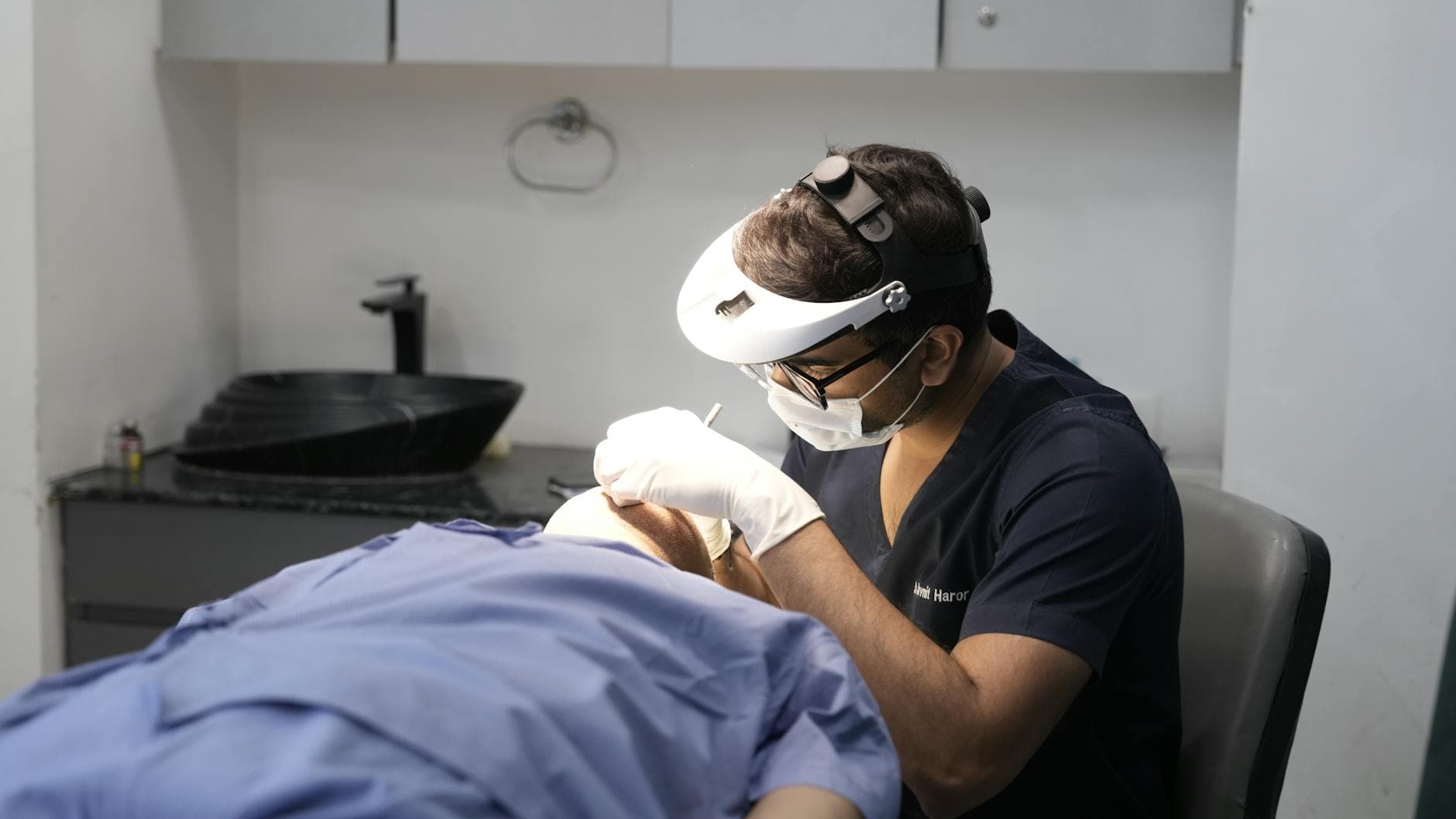
The warning signs are often visible if people know what to look for. The CDC says a change in the skin is the most common sign of skin cancer. The AAD tells patients to watch for the ABCDEs of melanoma: asymmetry, border irregularity, color variation, a diameter that stands out, and evolution over time. New spots, spots that look different from other moles, or spots that itch, bleed or keep changing deserve a dermatology visit. Advanced melanoma can spread to the lymph nodes and internal organs, which is why waiting can turn a small patch of skin into a much larger medical problem.
For Guilford County, the practical takeaway is straightforward: check your skin, compare old spots with new ones, and take any changing lesion seriously. A suspicious mole is not something to watch through the whole summer; it is something to get examined.
This article was produced by Prism’s automated news system from verified source data, official records, and press releases, then run through automated quality and moderation checks before publishing. The system is built and supervised by the people who set the standards it runs under. Read our full AI policy.
Did this article answer your question?