Drought drains private wells in Guilford County, driller says calls surge
Private wells around Guilford County are starting to fail, sending about 38 calls in one day to a local driller and putting $12,000 to $20,000 repairs in reach.
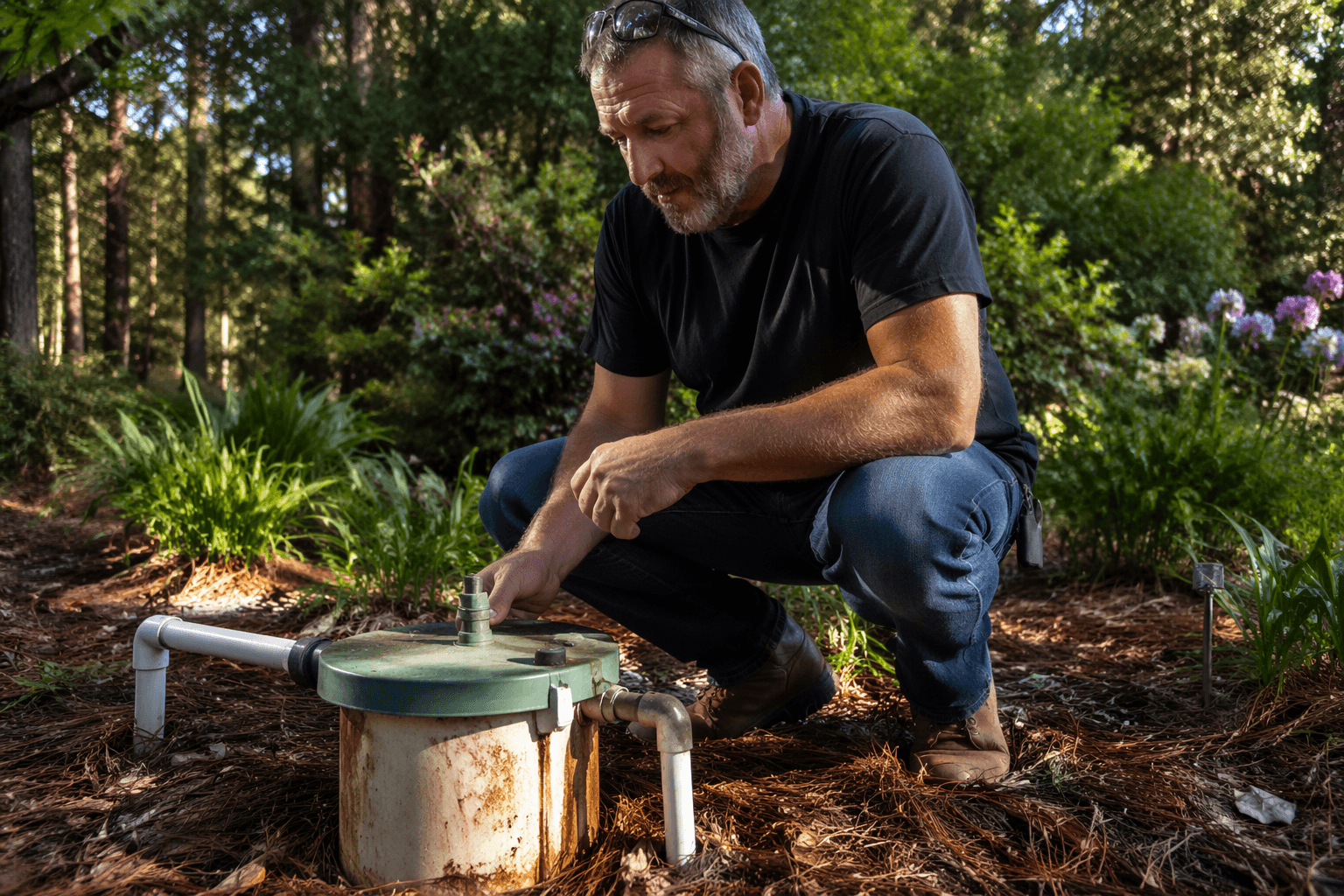
A dry private well can turn a Guilford County home into an emergency water plan overnight. For families outside city service, the drought is no longer about brown grass or low reservoirs. It is about showers, kitchen taps, and whether the house still has enough water to function.
Billy Yow, owner of D&Y Well Drilling Inc., said calls picked up sharply about two weeks ago and reached about 38 in a single day. Some of those callers had already run completely out of water. Yow said older wells are often the first to struggle, especially wells drilled in the 1970s and 1980s, because they are typically shallower and more exposed to dropping groundwater levels.
That matters in Guilford County, where drought is now affecting every part of the population. Drought.gov says 488,406 people in the county are affected and that 100% of the county’s population is under drought conditions. The same data showed Guilford County had the 29th driest May on record and the second-driest January-through-May stretch in 132 years. Portions of Guilford and Alamance counties were already in exceptional drought earlier in June, and Greensboro has had its third-driest spring on record.
The North Carolina Drought Management Advisory Council urged drought-response action June 16, saying extreme drought should trigger water-shortage plans and local coordination, while exceptional drought should push households and utilities toward essential-use-only behavior and preparation for rationing. That warning lands differently for people on private wells, who do not have the backup of a municipal tap when groundwater falls.
Greensboro’s system has its own limits. The city relies on Lake Townsend, Lake Brandt and Lake Higgins, which together hold about 8 billion gallons when full. Its treatment plants deliver about 35.9 million gallons per day to nearly 320,000 customers. Even so, the city says conservation messaging, higher conservation rates and interconnections with surrounding cities have all helped keep supply from being significantly lower.
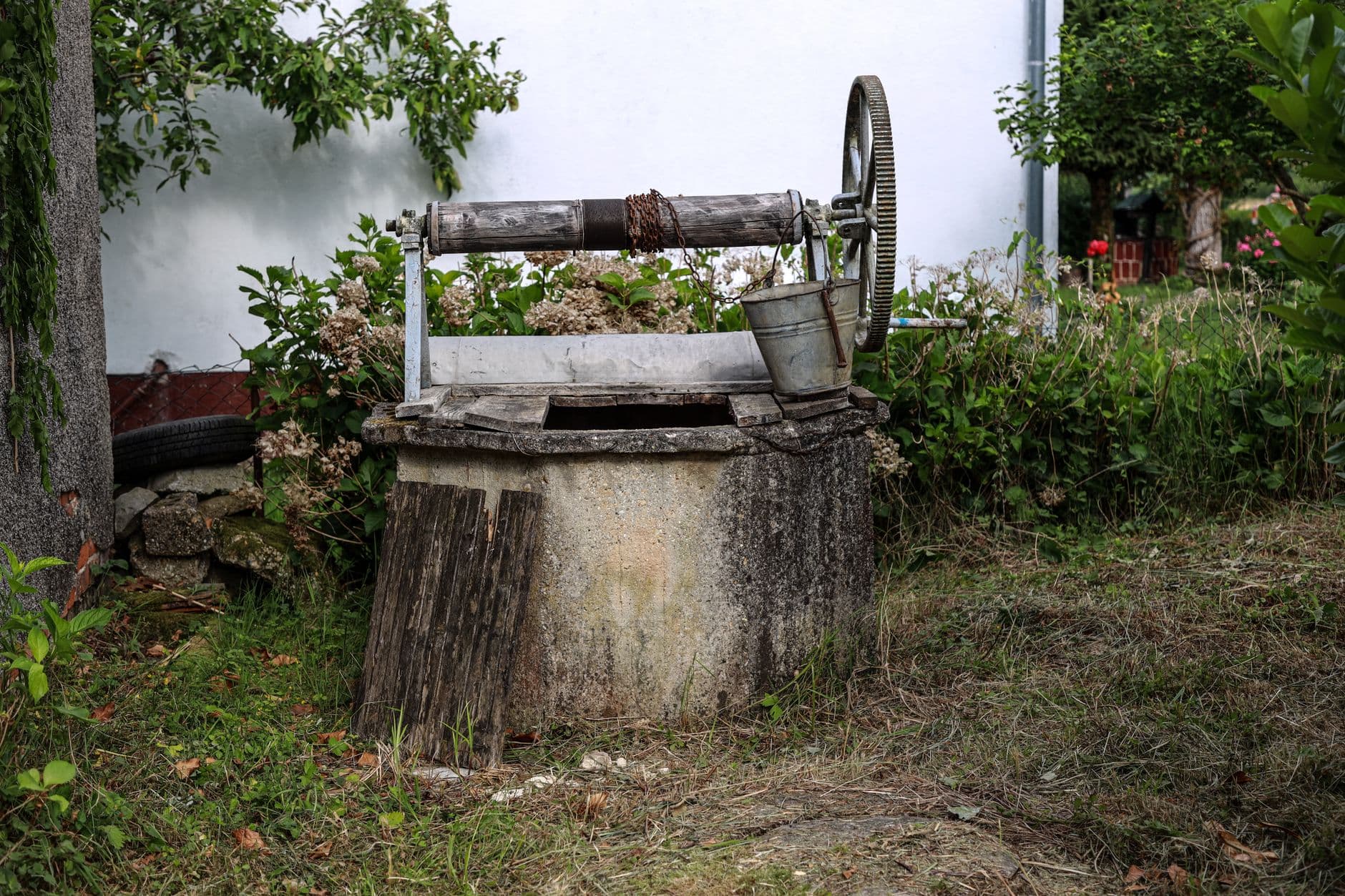
For private-well owners, the costs can be much more personal. Yow said drilling a new well and installing a pump can run roughly $12,000 to $20,000, a price that can quickly eclipse what many households have set aside for emergencies. He urged residents to conserve water, skip unnecessary irrigation and watch for warning signs such as lower pressure, weaker hose and sprinkler flow, or slow recovery after water use. He also warned that a heavy downpour does not always fix the problem, because runoff can leave too little water to recharge underground aquifers.
North Carolina health officials say most private drinking-water wells rely on groundwater, and a 2008 law requires newly constructed wells to be tested within 30 days of completion. But testing does not protect a household from drought-driven shortages. As the dry spell deepens, the burden is landing first on the families least connected to public water and least able to absorb the cost of finding more.
This article was produced by Prism’s automated news system from verified source data, official records, and press releases, then run through automated quality and moderation checks before publishing. The system is built and supervised by the people who set the standards it runs under. Read our full AI policy.
Did this article answer your question?