Faith Partnerships in Greensboro Could Yield 180 New Affordable Apartments
Faith groups and housing developers are teaming up across Greensboro, with roughly 180 affordable apartments in the pipeline from multiple partnerships.
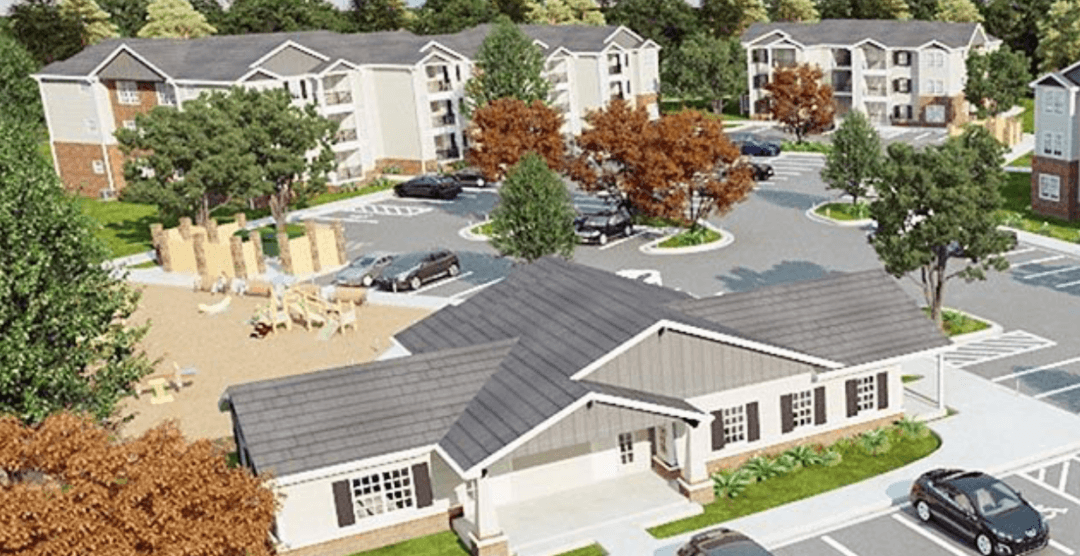
A wave of church-developer partnerships is reshaping how Greensboro addresses its affordable housing shortage, with multiple deals advancing that together could bring roughly 180 new apartments to the city.
Among the collaborations taking shape is a pairing between Grace Community Church and Affordable Housing Management, a partnership that surfaced in local reporting as one of several faith-based arrangements moving forward simultaneously. The convergence of multiple deals at once is notable in a city where affordable housing production has historically moved project by project, one slow approval at a time.
Faith institutions have long held some of Greensboro's most strategically located underutilized land, and the emerging model treats church property as a community asset rather than a balance sheet liability. When congregations partner with experienced housing developers, they contribute the land while the developer brings financing expertise, Low Income Housing Tax Credit applications, and construction management, a division of labor that has gained traction in cities across the South as housing costs have climbed out of reach for working families.
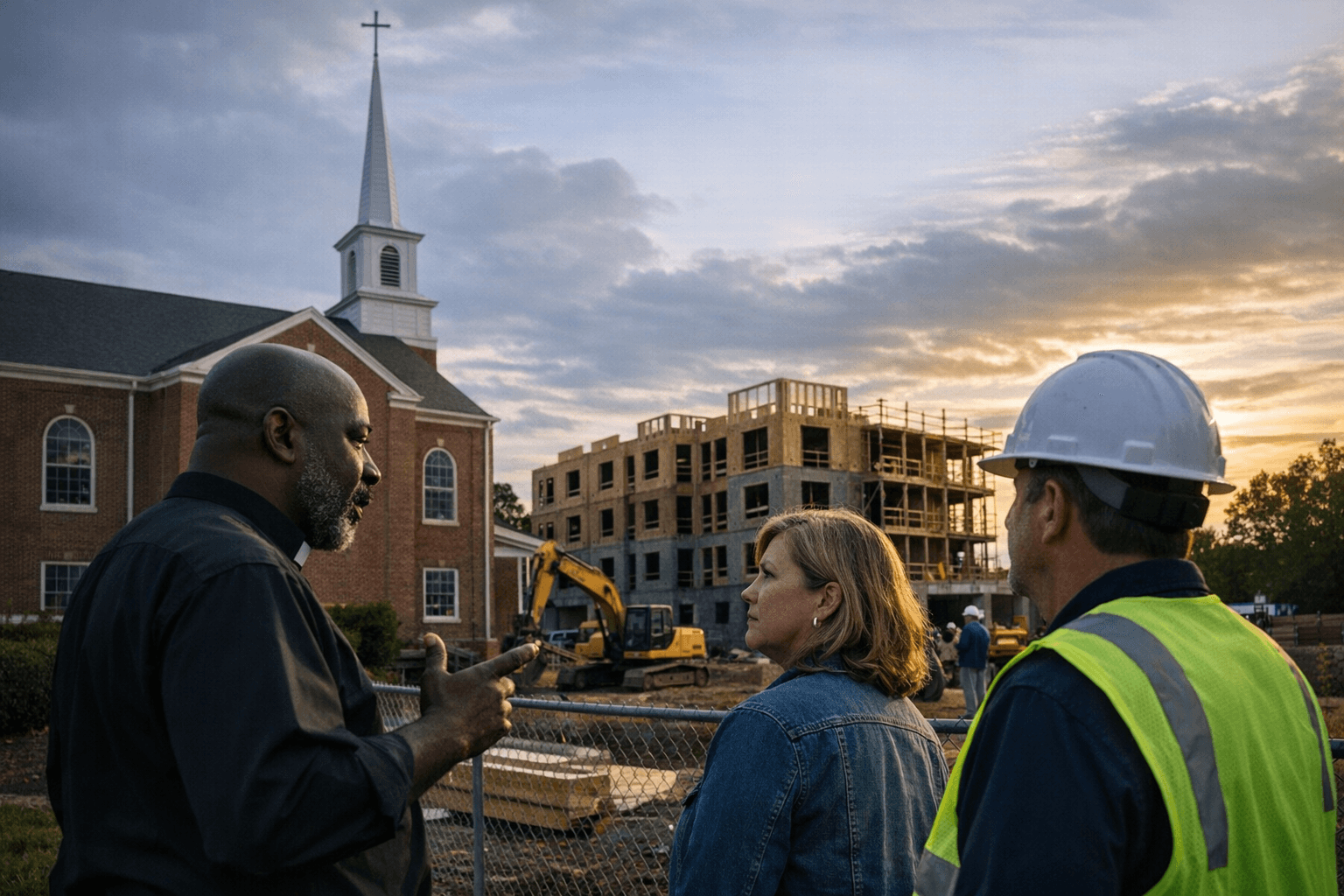
Guilford County's affordable housing gap has been well documented in recent years, with waitlists for subsidized units stretching years long and median rents rising faster than wages in many of the county's lower-income census tracts. Against that backdrop, 180 units represents meaningful supply, though housing advocates have consistently noted that Greensboro's unmet need runs into the thousands.
The timing of these announcements, clustered in early 2026, suggests that at least some of the projects may have been moving through financing and zoning processes in parallel, potentially positioning them for construction starts within the next one to two years if approvals proceed on schedule.
This article was produced by Prism’s automated news system from verified source data, official records, and press releases, then run through automated quality and moderation checks before publishing. The system is built and supervised by the people who set the standards it runs under. Read our full AI policy.
Did this article answer your question?