Grasshoppers hot start shows why minor league baseball matters in Greensboro
The Grasshoppers’ surge is a downtown economic story, not just a baseball story. A winning team helps fill restaurants, bars, and seats at First National Bank Field.
Why the Grasshoppers matter beyond the standings
A team leading its league in runs and home runs does more than pad a box score in Greensboro. It puts people in seats at First National Bank Field, pushes more traffic into downtown restaurants and bars, and gives the city a summer attraction that spills beyond baseball.
That is why the Grasshoppers’ hot start matters in Guilford County. The value is not just in wins and losses. It is in the way minor league baseball helps activate downtown, gives families a reason to make an evening of it, and keeps Greensboro in the conversation as a baseball town with a real civic footprint.
A ballpark built into downtown life
Greensboro’s pro-baseball roots go back to 1902, and the city has rarely been without a minor league club since then. The modern franchise began as the Greensboro Hornets in 1979 and became the Grasshoppers in 2005, the same year First National Bank Field opened in the heart of downtown Greensboro.
That ballpark opened on April 3, 2005, with an exhibition crowd of 8,540 against the then-Florida Marlins. It seats 7,499, which tells you something important about the scale of the operation: this is not a remote stadium on the edge of town. It is a center-city venue meant to be part of the downtown rhythm, pulling fans past storefronts, patios, and parking decks on the way to first pitch.
That placement matters economically. When the ballpark sits downtown, every home date has the potential to send customers into nearby businesses before the game, after the game, and sometimes both. For a mid-sized city like Greensboro, that steady flow can help support the case for a more active downtown, especially on summer nights when local spending patterns are most fluid.
What fans are really watching
The Grasshoppers are the High-A affiliate of the Pittsburgh Pirates and play in the South Atlantic League. That affiliation is central to understanding why the product looks different from major league baseball. Fans are not just watching an entertainment property; they are watching a development stage in the pipeline to Major League Baseball.
Easton Carmichael and Wyatt Sanford help explain that ladder. Carmichael, drafted by the Pirates in the third round in 2025 and signed for $977,000, points to the long grind prospects face. Some players spend eight, nine, or even 10 years in the minors before they get a real shot at the majors. Sanford adds the structural reality: unlike the NBA or NFL, baseball requires players to move through four or five levels before they arrive.
That is the central economic and cultural insight behind the Grasshoppers’ current run. High-A baseball is not the end of the story, it is one of the places where the story becomes legible to the public. Greensboro gets a front-row seat to players who may become big leaguers later, and that gives the team a layer of relevance that goes beyond pure entertainment.
Why a hot team changes the downtown equation
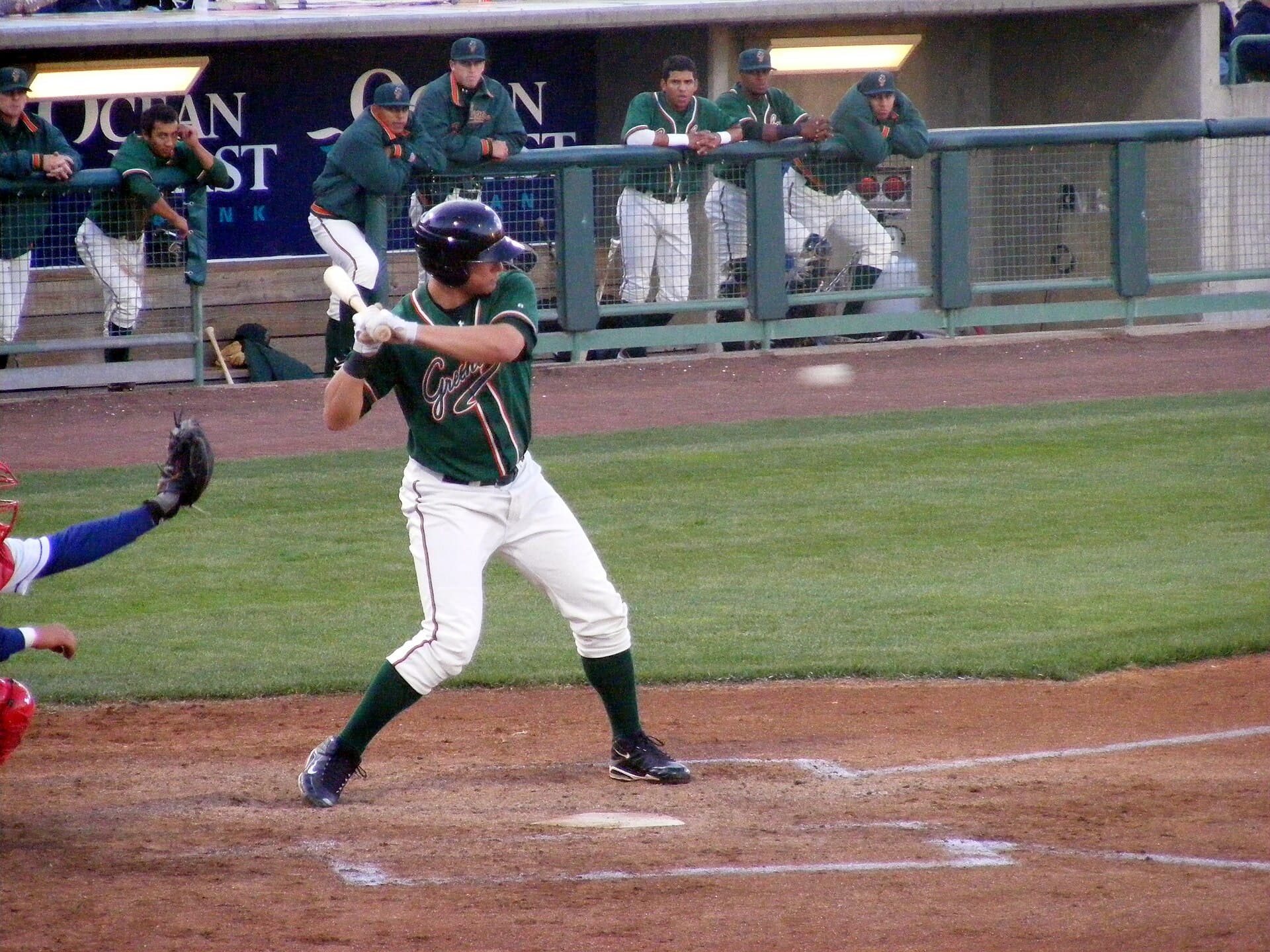
The Grasshoppers’ 2025 season showed how strong play and strong local interest can coexist in a mid-sized market. The club finished 88-43, won the South Atlantic League North Division, and scored 692 runs, the best mark in the league. Even with that kind of production, the team averaged 4,101 fans per home date across 62 home dates.
That attendance figure matters because it suggests the business case for minor league baseball in Greensboro is not dependent on nostalgia alone. A winning team can still be an audience draw, but the deeper payoff comes when that audience is close enough to downtown to spend money before and after the game. Restaurants, bars, and nearby retailers benefit from a predictable cadence of home dates during the warmer months, when families are looking for outings and the city is looking for ways to keep downtown active.
For downtown Greensboro, that is the point. Baseball functions as a recurring event engine. It creates routine demand, not just occasional spikes, and that kind of consistency is especially valuable in a district that depends on foot traffic, evening activity, and repeat visits.
A civic asset with a measurable footprint
The Grasshoppers are also part of Greensboro’s public identity in ways that show up off the field. The front office says the organization has donated more than $4 million to local charities, a reminder that the club’s footprint extends beyond ticket sales and concessions. In a city where downtown energy matters, that civic presence reinforces the idea that the team is woven into the community, not just parked inside it.
Ownership changes have also shaped the franchise’s recent identity. Temerity Baseball purchased the club in January 2022, and a new team look was unveiled in November 2023 under Andy Sandler’s ownership group. Those moves suggest an organization trying to keep the product fresh while staying anchored to the same downtown setting that has defined the club since First National Bank Field opened.
The broader message for Greensboro is straightforward: a minor league team with a hot roster can help support a downtown ecosystem that depends on more than office hours. It helps create evenings, weekends, and summer traditions that keep the district visible and economically active. That matters whether the team wins 88 games or 68, though the better the team plays, the easier it is to turn baseball into a habit.
Why this story reaches beyond sports
Minor league baseball in Greensboro has always been about more than baseball. It is a local stage with national ambitions, a place where prospects move through the game’s ladder and where the city gets a tangible return from having a ballpark downtown.
The Grasshoppers’ hot start makes that easier to see. Winning teams get attention, but in Greensboro the deeper impact is structural: more fans downtown, more activity around First National Bank Field, more summer spending, and more evidence that a baseball franchise can help define a city’s center. In that sense, the team’s real value is not measured only in the standings. It is measured in the life it helps bring to downtown Greensboro.
This article was produced by Prism’s automated news system from verified source data, official records, and press releases, then run through automated quality and moderation checks before publishing. The system is built and supervised by the people who set the standards it runs under. Read our full AI policy.
Did this article answer your question?