Greensboro Activated White Flag Warming Center During Freezing Night
Greensboro activated a White Flag warming center the night of Dec. 29, 2025, to shelter people during an overnight freeze. The temporary shelter at First Baptist Church provided relief for single adults and families and highlights recurring pressures on local emergency services, faith-based providers, and municipal budgets as cold snaps affect vulnerable residents.
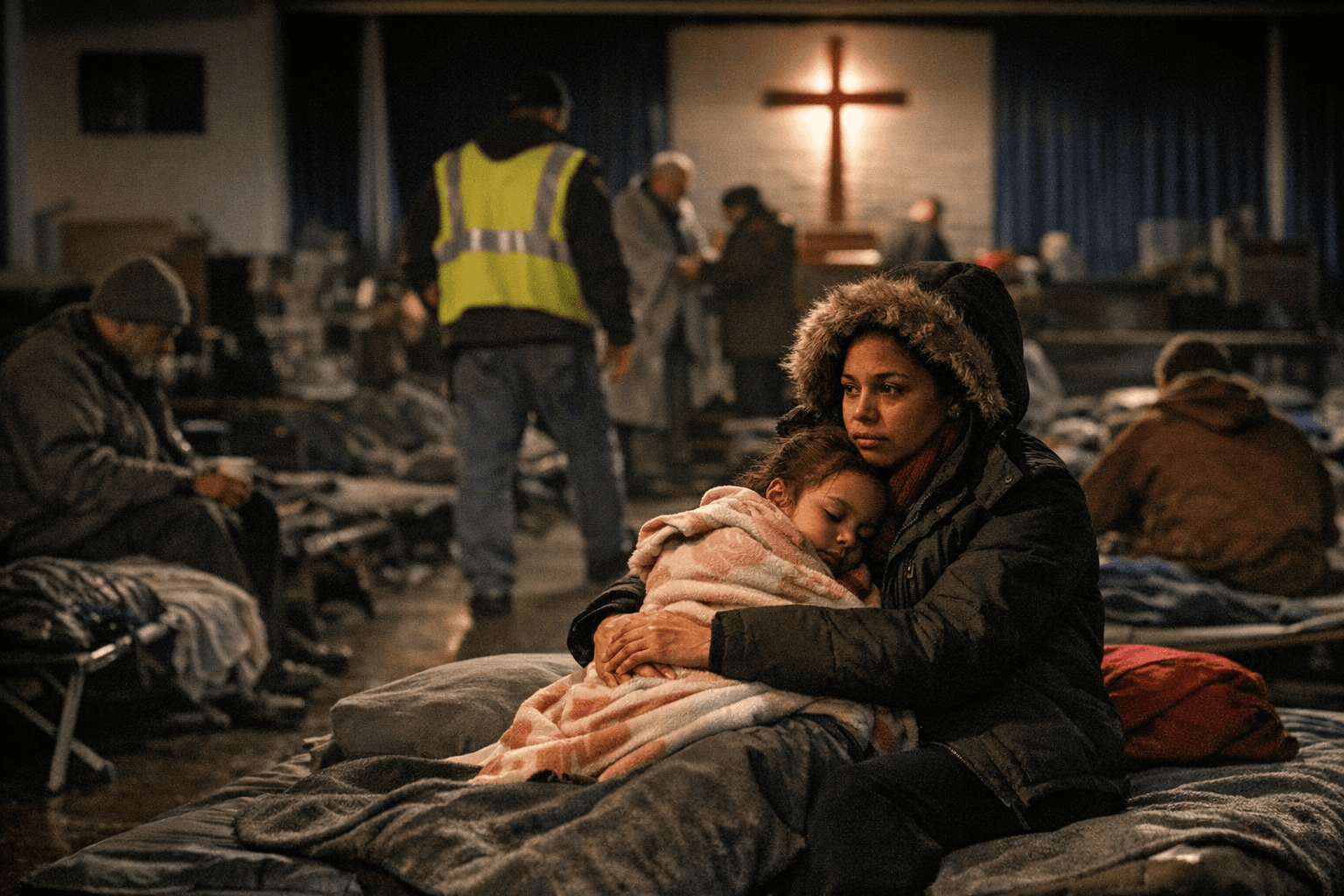
Greensboro opened a White Flag warming center on the night of Dec. 29, 2025, in response to freezing overnight temperatures. First Baptist Church, located at 1000 W. Friendly Avenue, hosted the shelter and offered overnight accommodation from 7 p.m. until 7 a.m. on Tuesday. The center was available to both single adults and families.
The activation followed the city’s standard practice of mobilizing community partners when severe cold threatens residents who lack reliable heating or stable housing. By moving people indoors for overnight hours, the warming center aimed to reduce immediate health risks from exposure and to ease short-term demand on emergency medical services and first responders.
Faith-based organizations have long played a central operational role in Greensboro’s emergency warming network, providing space, staffing and basic services on short notice. The First Baptist Church site functioned as a stopgap solution that allowed municipal services to focus on other urgent needs across the community during the freeze.
Beyond immediate sheltering, such activations carry budgetary and operational implications for the city. Repeated cold-weather events increase costs for overnight shelter operations, coordination, transport and outreach. They also interact with broader economic pressures: rising energy prices and housing affordability challenges can leave low-income households more exposed to weather shocks, increasing reliance on temporary services. For local policymakers, those dynamics underscore the importance of sustaining funding for emergency shelter programs while pursuing longer-term investments in affordable housing and weatherization that reduce recurring demand for crisis responses.
The city’s update that day also included information on hospital visitation policies and other regional incidents, reflecting how cold-weather events intersect with healthcare capacity and public-safety planning. For residents experiencing housing instability or heating emergencies, the activation on Dec. 29 illustrated the immediate protections available through coordinated local responses and the continuing need for durable policy solutions to prevent repeated crises.
As Greensboro moves further into winter, the White Flag mechanism remains a key part of the city’s short-term safety net, while officials and community partners weigh the trade-offs between emergency costs today and investments in resilience that lower long-term social and fiscal burdens.
This article was produced by Prism’s automated news system from verified source data, official records, and press releases, then run through automated quality and moderation checks before publishing. The system is built and supervised by the people who set the standards it runs under. Read our full AI policy.
Did this article answer your question?