Greensboro compost earns OMRI certification, opens organic market access
Greensboro's screened compost can now be sold to certified organic growers, turning White Street Landfill's yard waste into a bigger business opportunity.
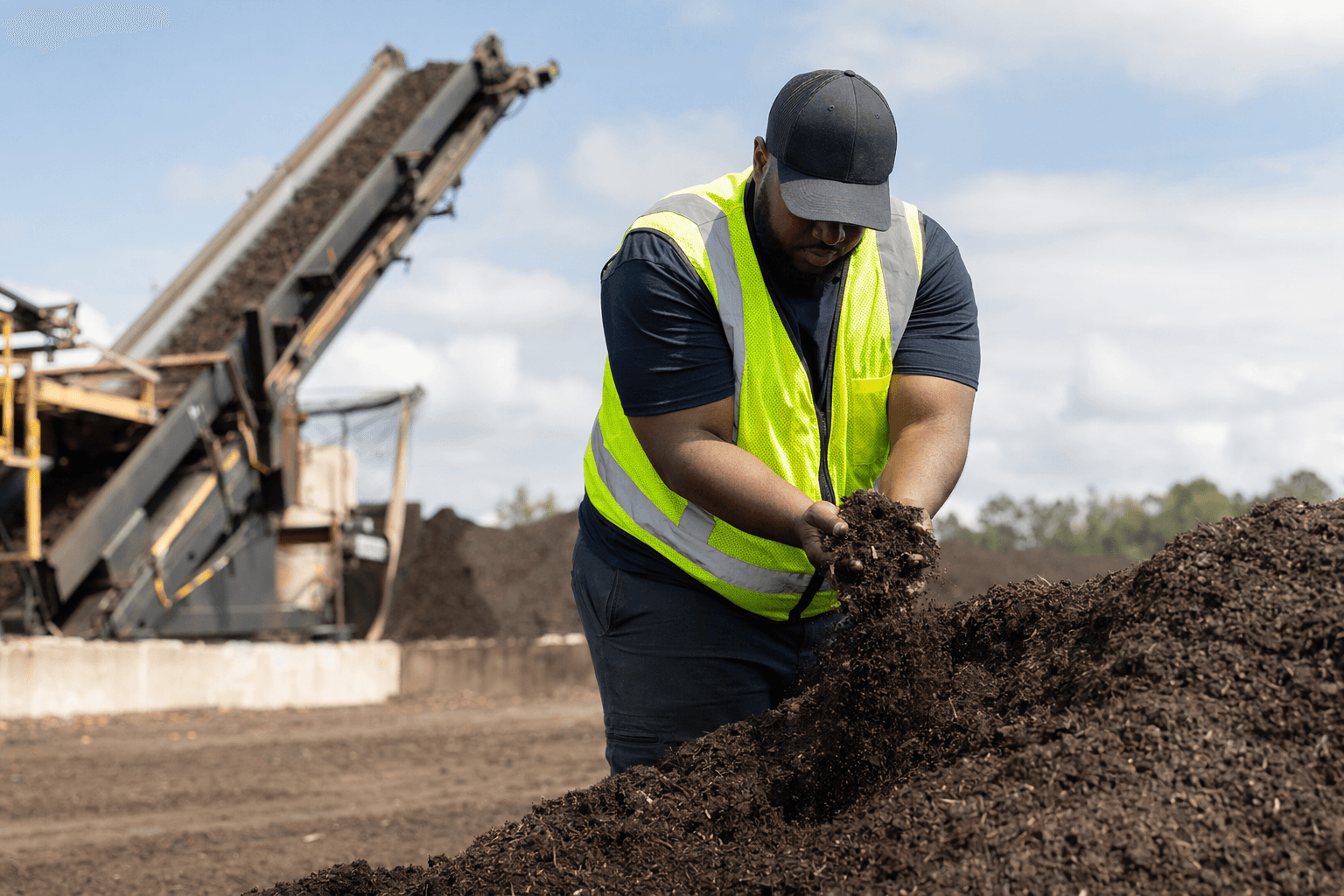
Greensboro’s compost pile just gained a new customer base. The city’s screened compost earned OMRI Listed status, giving White Street Landfill’s finished product a sales credential that can open access to certified organic farms, growers and other buyers beyond ordinary landscape use.
The city announced the designation May 6, 2026, and said Greensboro is now the third OMRI-certified municipality in North Carolina. Officials also said 14 other producers in the state hold OMRI certification. OMRI, the Organic Materials Review Institute, determined that Greensboro’s Compost Screened product meets U.S. Department of Agriculture National Organic Program standards, which means it can be marketed for use in certified organic operations.
That matters because Greensboro’s compost operation is already a sizable piece of city infrastructure. At White Street Landfill, the work takes place on 10 acres, where yard waste is ground into two-inch pieces, placed in windrows, monitored for three days to kill seeds and pathogens, then cured for 8 to 10 months before screening. The city says it receives about 35,000 tons of raw material each year and turns about 24,000 tons into compost, with the rest made into mulch.
The practical payoff is more than environmental. City officials said the OMRI seal could create additional revenue for Solid Waste & Recycling operations by widening the buyer pool. Greensboro currently sells compost from April through October and mulch year-round. Bulk compost costs $20 per ton for dump trucks and $20 per pickup-truck load, while leaf mulch is free. Some nonprofit organizations may qualify for free compost.
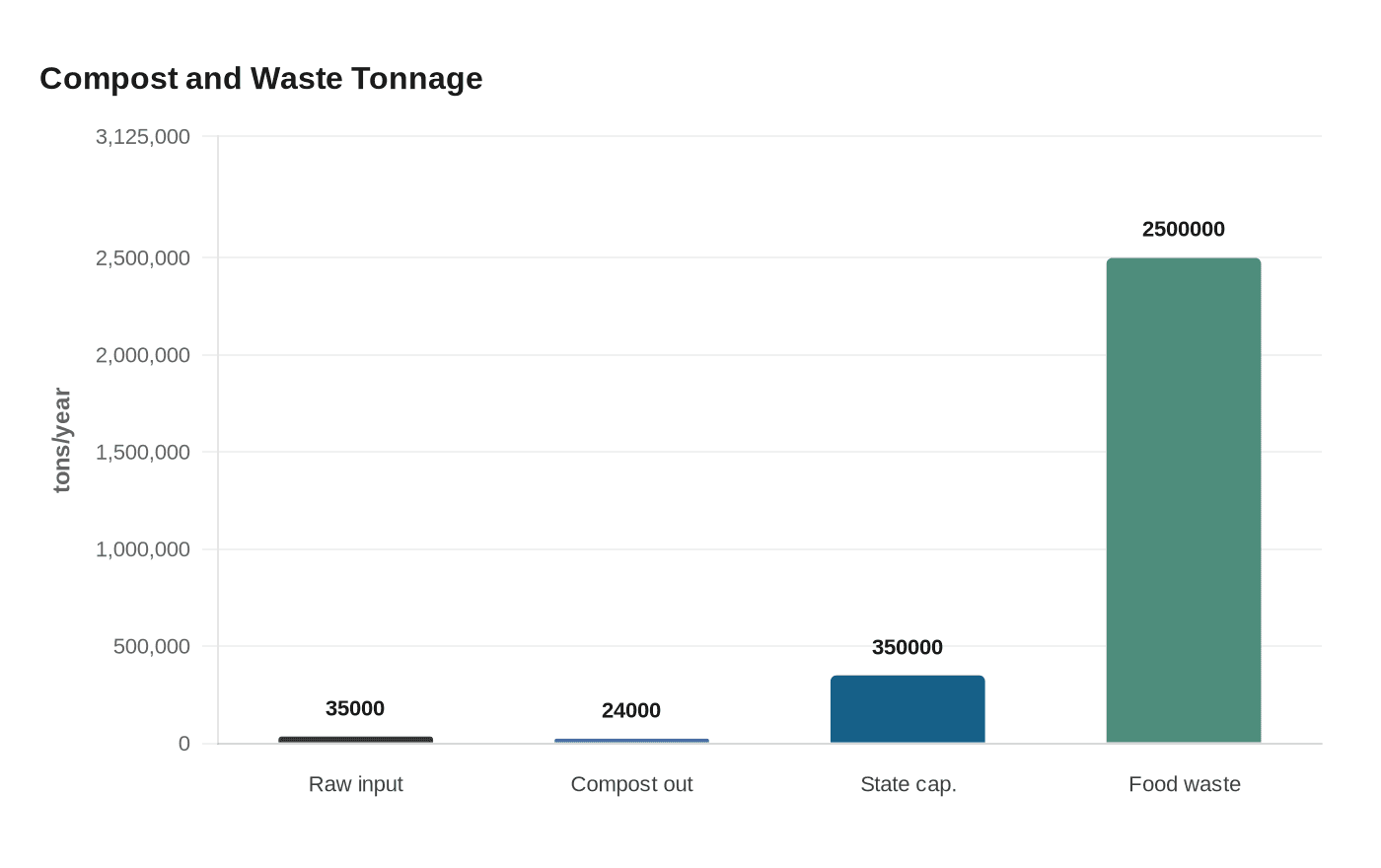
The certification also places Greensboro inside a larger state market that still has room to grow. North Carolina Department of Environmental Quality data from its 2022 Compost Capacity Report estimated statewide composters could handle about 350,000 tons per year, while the state generated an estimated 2.5 million tons of food waste annually. For farmers looking for approved inputs, the Carolina Farm Stewardship Association’s NC Organic Inputs Finder already lists OMRI-approved compost and other materials, giving Greensboro a clearer route to reach organic buyers.
City officials credited White Street Landfill Supervisor Marcus Nichols and Interim Yard Waste Crew Supervisor Dustin Gordon for the testing, documentation and operational work behind the certification. Griffin Hatchell said the effort showed how the city can turn yard waste into a useful resource while supporting sustainability, a quiet but measurable win for a municipal service that now has a stronger foothold in the organic-input market.
This article was produced by Prism’s automated news system from verified source data, official records, and press releases, then run through automated quality and moderation checks before publishing. The system is built and supervised by the people who set the standards it runs under. Read our full AI policy.
Know something we missed? Have a correction or additional information?
Submit a Tip