Greensboro Downtown Greenway nears completion after 25 years
Greensboro’s 4-mile Downtown Greenway is set for a May 16 opening, ending a 25-year wait and putting downtown access, art and development on the line.
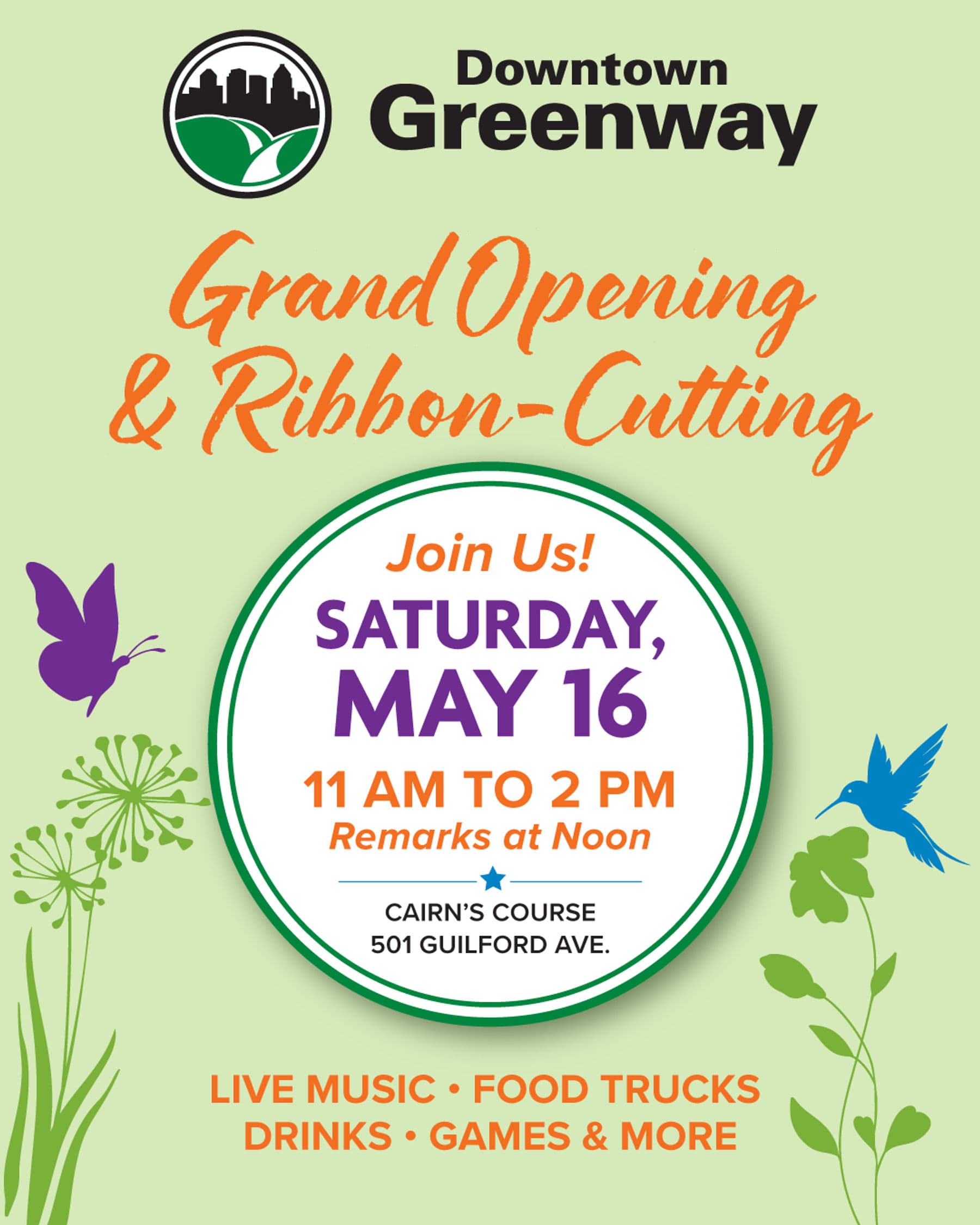
Greensboro is about to open the last mile of its Downtown Greenway, a 4-mile loop around downtown that has been in the works since the 2001 Center City Master Plan. The ribbon-cutting is scheduled for Saturday, May 16, from 11 a.m. to 2 p.m. at Cairn’s Course, 501 Guilford Avenue, marking the official opening of the final stretch.
The timing matters because the project has already taken more than two decades to reach this point. Three miles of the greenway were already open along the north, east and south sides of downtown, while the final west-side segment, from Smith Street to Spring Garden Street, began construction on January 29, 2024. City officials had initially expected the last mile to be finished in summer 2025, making the opening a year later a reminder of how long major public projects can take to land.
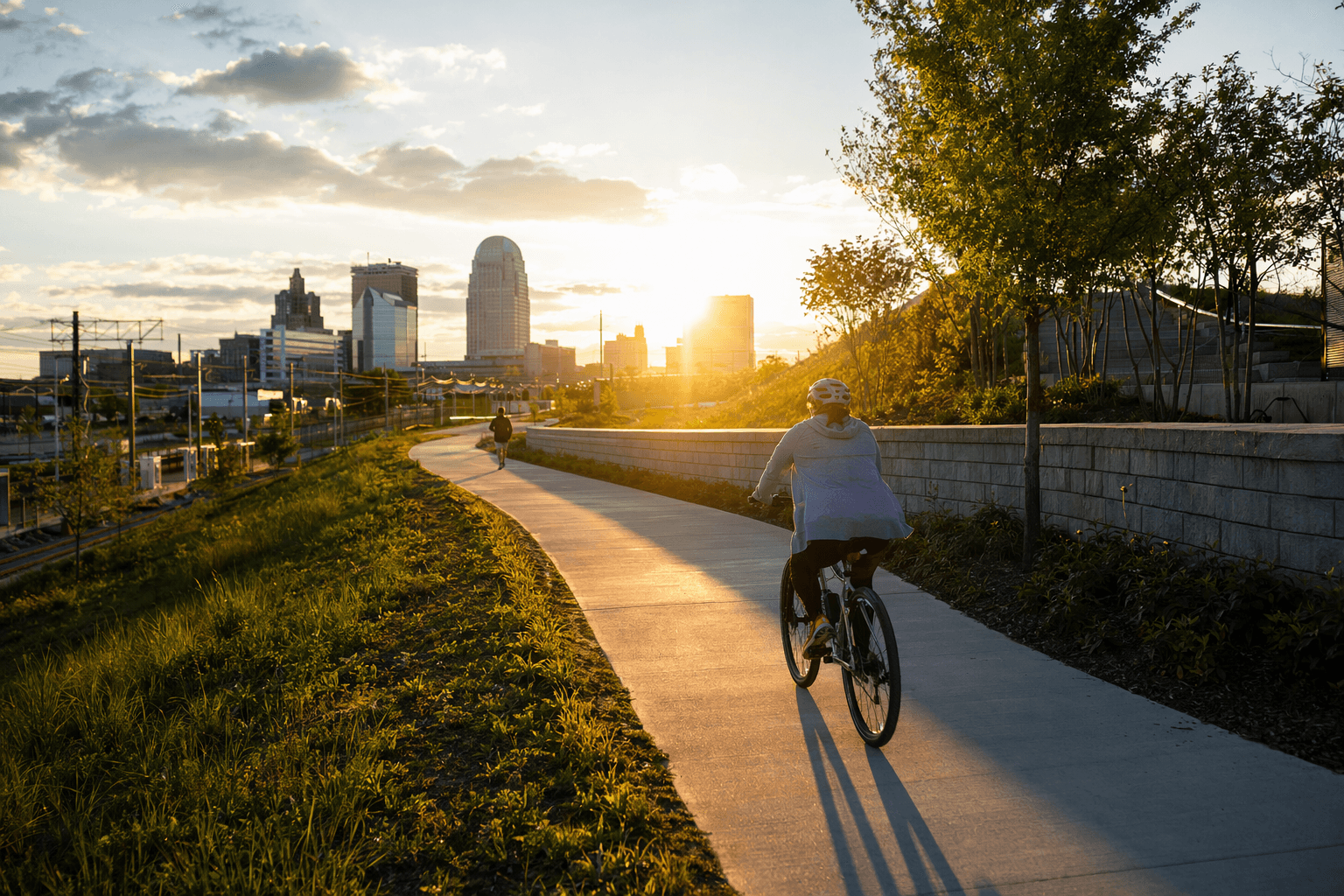
Mayor Marikay Abuzuaiter cast the milestone in citywide terms, saying, “This is a defining moment for Greensboro.” That language fits the scale of the project, which city leaders say was built through federal and local investment, philanthropic partners and community support. The city describes the greenway as more than a recreation path. It is meant to support active transportation, improve wellness, strengthen neighborhood connectivity and help people get to work and other destinations without relying only on a car.
That practical role is central to its economic value. The greenway links downtown Greensboro with other trails and transit, and the route passes through nine neighborhoods. For nearby blocks, that kind of access can shape how often people walk past storefronts, how easily residents move between districts and how attractive surrounding sites become for reinvestment. In a downtown where foot traffic can determine whether a small business survives, a new loop like this can change the pattern of daily movement.
The public art program also gives the corridor a stronger identity. The Downtown Greenway says it has more than 40 pieces of public art, including benches, bike racks and signage, alongside educational markers that tell neighborhood and community stories. Action Greensboro and the City of Greensboro are the project’s main partners, and both have framed the trail as a public asset that connects people to history, culture and economic development.
After 25 years, the question is no longer whether the greenway will exist, but whether Greensboro can turn the finished loop into the kind of downtown activity, private investment and neighborhood connection its planners promised from the start.
This article was produced by Prism’s automated news system from verified source data, official records, and press releases, then run through automated quality and moderation checks before publishing. The system is built and supervised by the people who set the standards it runs under. Read our full AI policy.
Did this article answer your question?