Greensboro groups tackle food insecurity, housing and transit barriers
Greensboro leaders say hunger is tied to rent, buses and store access, while Guilford County data shows more than 82,000 residents face food insecurity.
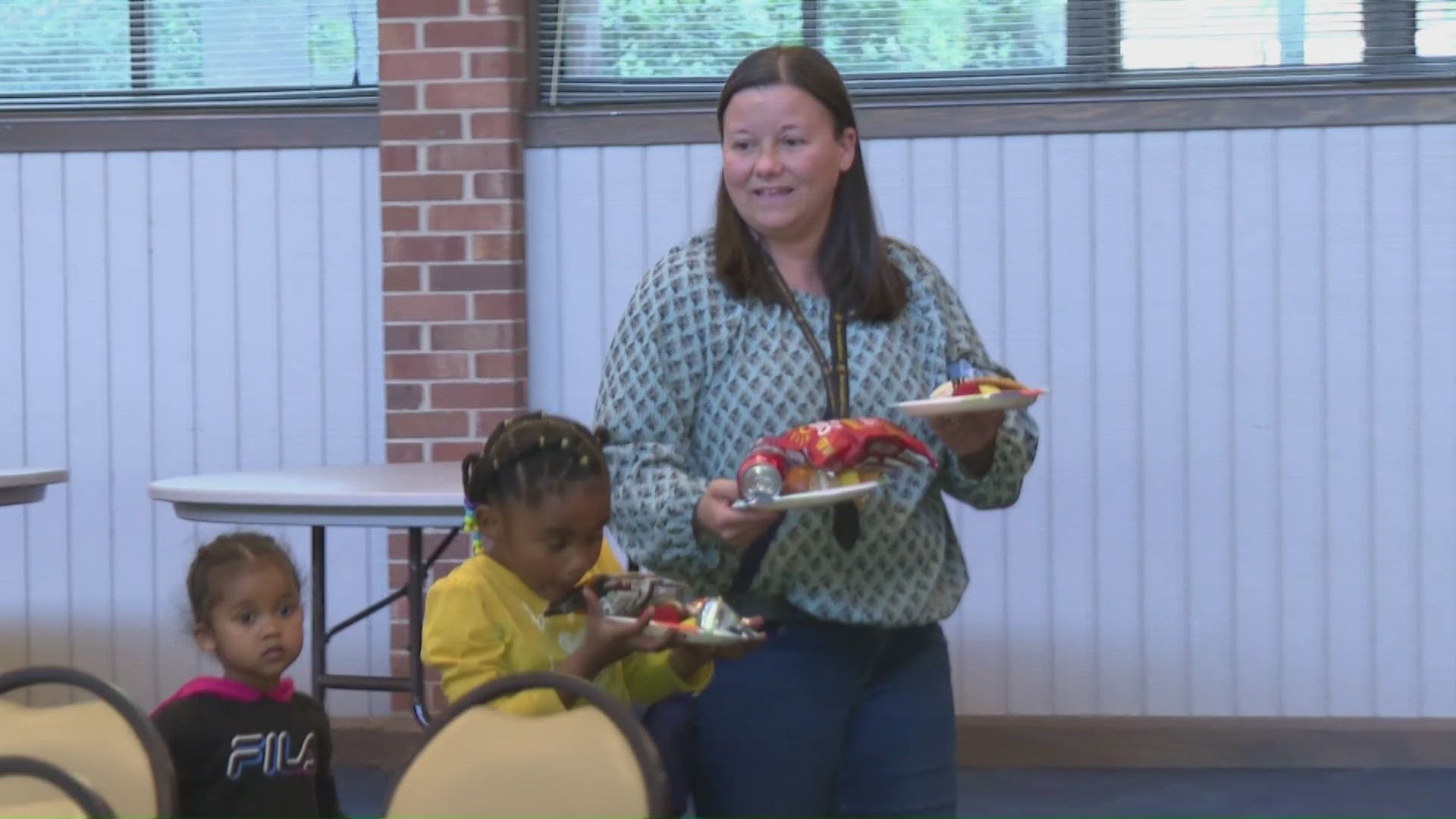
Hunger in Greensboro is showing up as a housing problem, a transit problem and a public health problem all at once. At a recent community conversation, A Simple Gesture, Second Harvest Food Bank, Backpack Beginnings, FaithAction International, The Corner Farmers Market and NC Cooperative Extension framed food insecurity as something that can affect families at almost any income level when food cannot reliably make it onto the table.
The numbers show how wide the gap is
Guilford County’s food insecurity rate reached 15.2% in 2023, according to Feeding America’s Map the Meal Gap data, which estimates 82,510 food-insecure people in the county. The same data puts the child food insecurity rate at 22.5%, equal to 27,110 food-insecure children, a figure that makes the stakes feel especially immediate for Guilford County Schools and the families they serve.
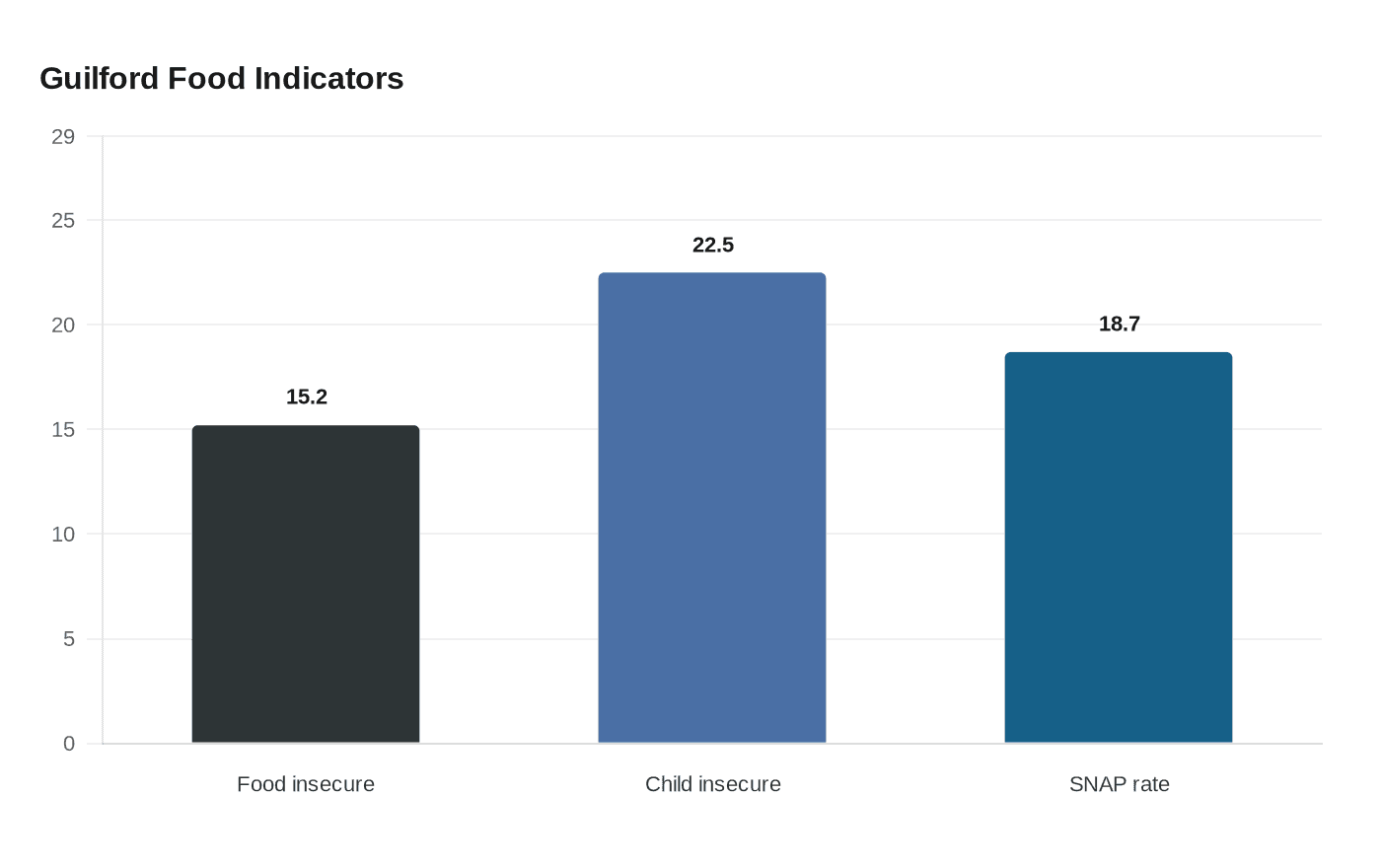
The average meal cost in Guilford County was estimated at $3.69, which helps explain why even small price shifts can knock a household off balance. As of 2021, only 18.7% of county residents were receiving SNAP benefits, leaving many families to bridge the gap with wages, savings, food pantries and help from community groups.
Why food insecurity stays hidden
Susan Cox of Simple Ways said the problem does not happen in isolation, and pointed to housing and transportation as major forces that can make it worse. That matters in Greensboro and across Guilford County, where a family can be doing everything right and still fall short if rent climbs, a car breaks down or the nearest bus route does not line up with work and shopping schedules.
Cox also underscored a basic reality that often gets overlooked: buses do not always go where people need them, and walking miles to a bus stop can be a serious burden for people already trying to make ends meet. When food access depends on transit that is slow, indirect or too far away, hunger becomes less about choice and more about geography.
Joel Gallagher of Indivisible Guilford County said hunger is often hidden in plain sight, because many people struggling with it do not talk about it openly. He also said bringing grocery stores into underserved areas is not simple, since businesses weigh the chance that they may not get their investment back.
What local groups want to change next
The conversation moved beyond emergency food toward the kinds of policy changes that could make access more stable. Guilford County’s food resources materials point to a retail fresh food incentive program for stores in food deserts, designed to offset retailer risk and bring fresh produce into underserved areas. That kind of tool could help make it easier for stores to open, stay open and stock food that families can actually use.
Food waste was another concrete solution raised in the discussion. Gallagher pointed to restaurants and grocery stores as places where usable food is often lost, and said Greensboro and Guilford County need to be more intentional about what gets consumed and reused. For local groups already working from different angles, from emergency food distribution to community outreach and market access, that means building a stronger recovery pipeline instead of relying only on donations after hunger has already hit.
The organizations in the room, including The Corner Farmers Market and NC Cooperative Extension, are positioned to connect different parts of the system. A Simple Gesture, Second Harvest Food Bank and Backpack Beginnings can help move food quickly to families. FaithAction International can help reach communities that often face extra barriers to accessing services. But the common thread in the conversation was that none of those groups can solve the problem alone if housing, transportation and store access keep pulling families back into crisis.
Public health leaders are tracking the same pressures
Guilford County’s own public health work has already been studying these overlapping barriers. In late 2023, county staff, community partners and volunteers interviewed more than 360 randomly selected residents about social determinants of health, including access to care, transportation, housing and food security. That kind of assessment matters because hunger does not stay in one lane: it affects school attendance, chronic disease, stress, and whether people can make it to appointments or keep up with treatment.
The regional numbers reinforce the scale of the issue. Feeding America says its Map the Meal Gap project provides county and congressional district estimates nationwide, and it reports a 14.3% food insecurity rate in the United States in 2023. In the Food Bank of Central & Eastern North Carolina’s 34-county service area, more than 607,000 people were food insecure in the newest analysis, which shows that Guilford County is part of a much larger hunger crisis across central and eastern North Carolina.
Local reporting has also traced the problem over time. On Sept. 4, 2024, WFMY reported that 10.9% of North Carolinians do not have enough to eat. On May 4, 2026, it reported that more than 82,000 Guilford County residents face food insecurity. Taken together, those figures show a problem that has not eased and is now demanding more than sympathy.
The takeaway from the Greensboro conversation is simple but urgent: hunger is a symptom, not a standalone problem. If city and county leaders want real progress, they will need to fund transit access, support fresh food incentives in food deserts, strengthen food recovery and treat housing stability as part of the county’s food security plan.
This article was produced by Prism’s automated news system from verified source data, official records, and press releases, then run through automated quality and moderation checks before publishing. The system is built and supervised by the people who set the standards it runs under. Read our full AI policy.
Did this article answer your question?