Greensboro pastor David Caldwell's legacy shaped the Revolutionary era far beyond city limits
David Caldwell's reach ran from a Greensboro schoolyard to Guilford Courthouse, shaping politics, education, and faith in ways Guilford County still sees today.
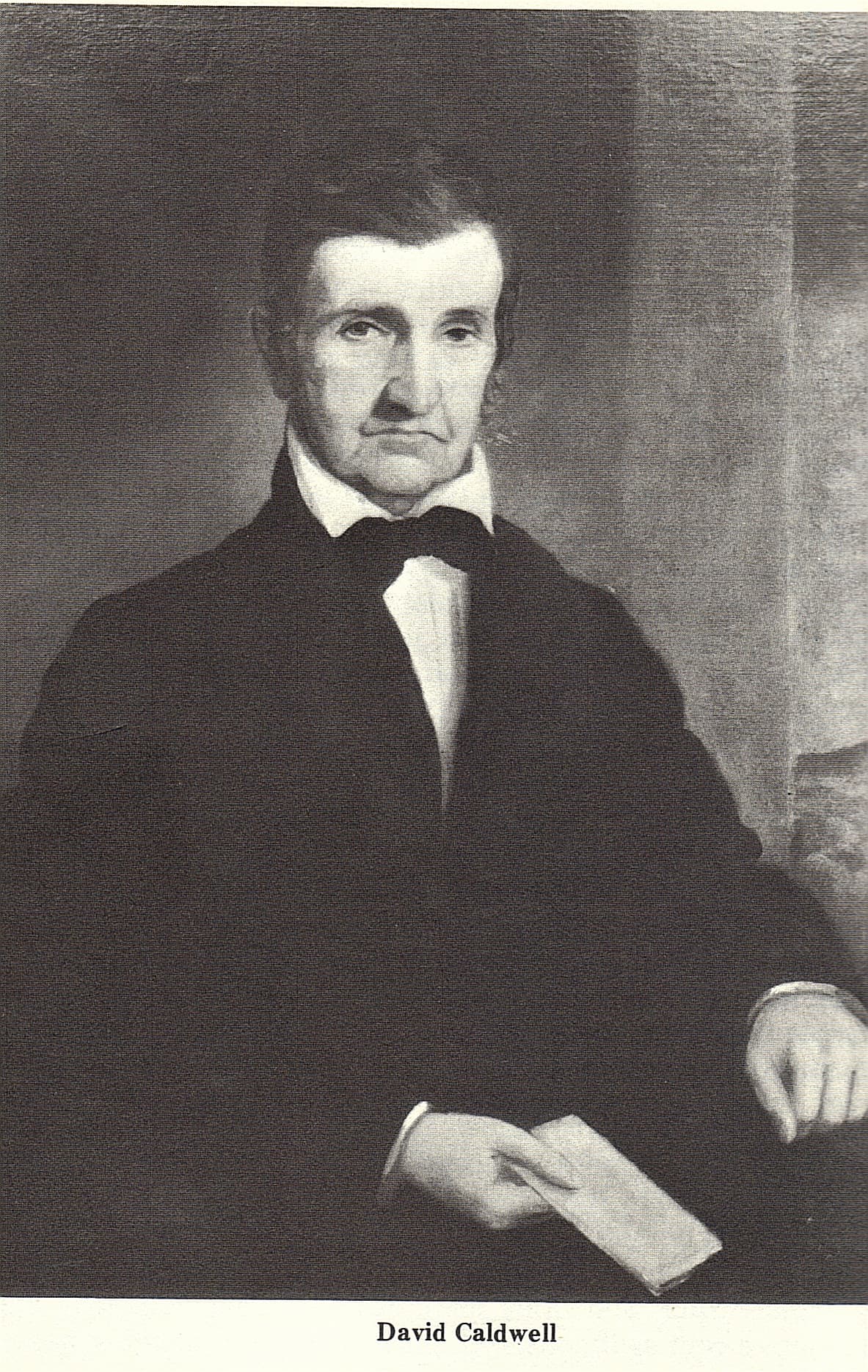
A living landmark beside Bicentennial Gardens
David Caldwell's name still anchors some of Greensboro's most visible Revolutionary-era history. At David Caldwell Historic Park, next to Tanger Family Bicentennial Gardens, the city marks the ground where the Caldwell family lived, taught, and worked, turning a private homestead into a public memory site. The park's David and Rachel Caldwell Historical Center and replica Old Mill make the story tangible, and the city says the site is dedicated to Caldwell's educational and political pursuits.
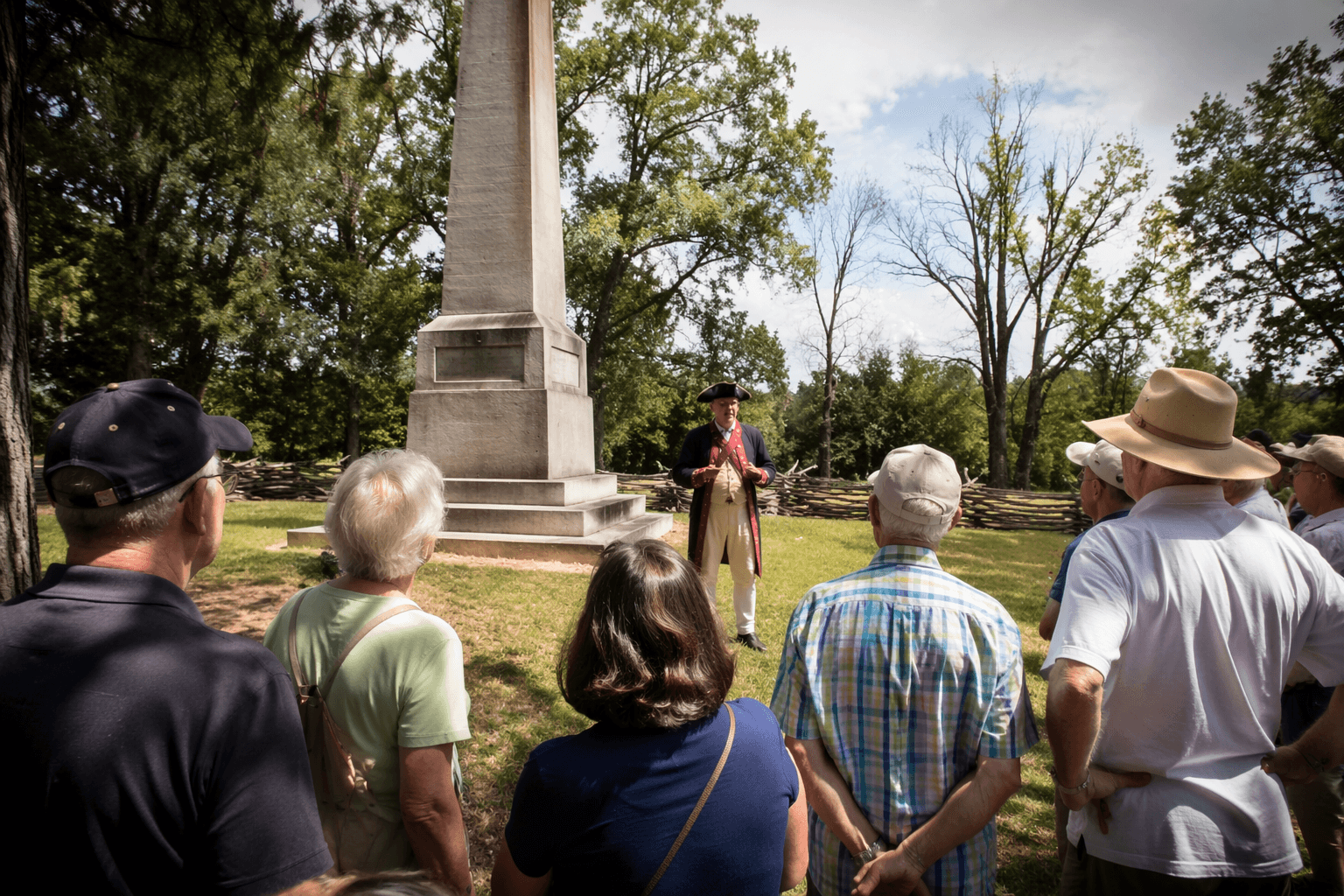
The place matters because it ties a local pastor to the larger story of how Guilford County grew into a center of faith, learning, and civic life. The land once belonged to David and Rachel Caldwell, and the preserved site keeps his influence visible in a part of Greensboro that residents still know by name.
From Pennsylvania to North Carolina's frontier
North Carolina records place Caldwell's birth on March 22, 1724, in Lancaster County, Pennsylvania, and identify him as a minister, educator, and patriot whose influence widened across the Revolutionary and Federal periods. He studied theology at The College of New Jersey, later Princeton University, before coming to North Carolina as a missionary in 1764. He settled in the New Garden area and built a life that combined faith, teaching, and practical service in a region that was still taking shape.
That mix of callings is why historians continue to describe him as more than a preacher. Gary Brown, a founding member of the David Caldwell Park project and a historian of the pastor, called Caldwell a "true Renaissance man," describing him as a scholar, educator, theologian, physician, and patriot. That combination helped him become a figure whose influence reached far beyond a single congregation or a single generation.
The school that trained North Carolina's early leaders
Caldwell's best-known institution was the David Caldwell School, also called Log College or Dr. Caldwell's Academy, established in 1767. NCpedia and other state sources describe it as a classical academy and theological school, one that produced many prominent figures and trained future statesmen. Its reputation spread well beyond the Guilford County backcountry because it sent educated men into churches, public office, and the work of building a new state.
One of Caldwell's best-known students was John Motley Morehead, who later became governor of North Carolina. Local history sources say the school also educated five governors of three states, a striking measure of how far Caldwell's classroom influence traveled. At the Greensboro Museum, Director Carol Ghiorsi Hart has stressed that his role reached into the education of early American leaders, which helps explain why the school still matters in the county's historical memory.
Politics, war, and a changing revolution
Caldwell's public role widened as the Revolution approached. He initially urged negotiation, then stood with the revolutionaries as the conflict hardened, and North Carolina sources identify him as one of the state's important Anti-Federalist leaders in early constitutional politics. That later political standing places him in the same broad conversation as the founders who argued over how much power the new nation should give to states, churches, and local communities.
His story also connects directly to the struggle over North Carolina's place in the new republic. Hart says Caldwell's influence extended to the Revolutionary War and the formation of the North Carolina constitution, two events that shaped how Guilford County fit into the early United States. In that sense, Caldwell was not only a minister in a growing settlement, he was part of the civic architecture of the state.
Guilford Courthouse and the wounded
The Caldwell property was also part of the battlefield landscape. Historians have documented it as the Caldwell Log College site, and it was used as a staging area for the Battle of Guilford Courthouse. The battle took place on March 15, 1781, and lasted about 2.5 hours, becoming one of the major Southern Campaign clashes that helped shift the war toward Yorktown.
As Nathanael Greene faced Earl Cornwallis in the fighting near Guilford County, Caldwell's role changed from teacher and pastor to wartime caregiver. British forces destroyed his home and farm and forced his family into hiding, but he still used his medical training to care for wounded soldiers from both sides. The National Park Service describes him as a local preacher and doctor who helped the wounded after the battle, a reminder that his service crossed lines of allegiance and battlefield wounds alike.
Why his legacy still lives in Guilford County
What survives now is more than a name in a history book. David Caldwell Historic Park stands beside one of Greensboro's best-known public gardens, and the site is recognized in North Carolina's historical marker program and in Guilford Courthouse National Military Park interpretation. The preserved landscape gives residents a way to see how education, religion, politics, and military history overlapped on the same stretch of ground.
Caldwell's postwar influence also stretched forward into causes that mattered long after the Revolution. The historical record says he continued to support education, the Underground Railroad, and women's education, leaving a legacy that touched civic life as well as church life. In Guilford County today, that legacy still shows up in the places people visit, the schools that trace their roots to local learning, and the battlefield landscapes that make the region's Revolutionary past impossible to ignore.
This article was produced by Prism’s automated news system from verified source data, official records, and press releases, then run through automated quality and moderation checks before publishing. The system is built and supervised by the people who set the standards it runs under. Read our full AI policy.
Did this article answer your question?