Greensboro meeting invites input on North Carolina freight plan
Greensboro residents will get a say in a freight plan that could steer truck traffic, road wear and logistics investment across Guilford County.

Public meetings on North Carolina’s draft freight plan will begin next week in Greensboro, giving Guilford County residents a chance to weigh in on decisions that could shape truck routes, warehouse growth and delivery reliability for years to come.
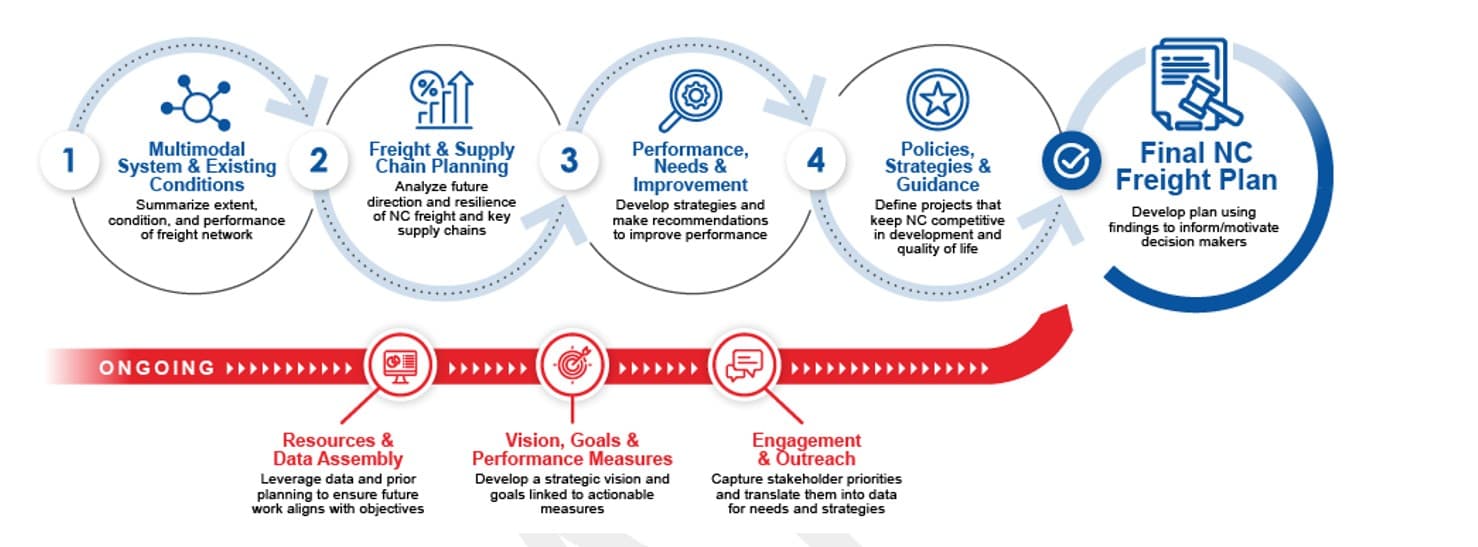
The N.C. Department of Transportation said the update to its Statewide Multimodal Freight Plan will build on the 2023 plan and fold in new economic trends, technology changes and stakeholder priorities. The agency expects to release a draft in September 2026, share it by the end of the year and seek final adoption in spring 2027.
That timetable matters in Greensboro because NCDOT says the plan will identify projects eligible for freight funding that can be considered for the State Transportation Improvement Program. In practice, that can affect which corridors get relief first, where truck parking is added, and how quickly roads that carry heavy freight get resurfaced or widened.

The freight update began in fall 2025 and is being shaped through working sessions, engagement events, interviews and surveys with six key audiences, including government representatives, metropolitan and rural planning organizations, freight operators, logistics providers and industry groups. NCDOT has already held regional freight forums in Asheville, Charlotte, Raleigh-Durham and Wilmington as part of the outreach.
NCDOT’s June 3 board presentation materials pointed to a familiar tension in the freight system: industry respondents said freight and transportation infrastructure were strengths, but congestion was the leading weakness. Smart operations and technology emerged as a top opportunity, a sign that the plan may push more attention toward traffic management, routing data and freight efficiency rather than only new pavement.
For Guilford County, the most visible freight pressure point is U.S. 29, which NCDOT describes as an important corridor linking the growing Greensboro area with southern Virginia and manufacturing centers in the Piedmont. Any changes that steer more freight to that corridor could ripple into truck traffic on local roads, wear on bridges and pavement, and the reliability of deliveries for factories, stores and warehouses that depend on tight schedules.
The Greensboro Metropolitan Planning Organization’s Draft Regional Impact assignment of local input points is also under public review through Aug. 5, 2026, as officials prepare for FY 2028-2037 transportation funding decisions. Together, the freight plan and the local transportation scoring process give residents two chances to influence where freight investment lands and which bottlenecks get fixed first.
This article was produced by Prism’s automated news system from verified source data, official records, and press releases, then run through automated quality and moderation checks before publishing. The system is built and supervised by the people who set the standards it runs under. Read our full AI policy.
Did this article answer your question?