Greensboro opens GSO Empowerment House on Shaw Street for residents
Shaw Street’s new Empowerment House opened with a washer-dryer, walk-in help from Greg Brooks and a city plan to track violence trends.
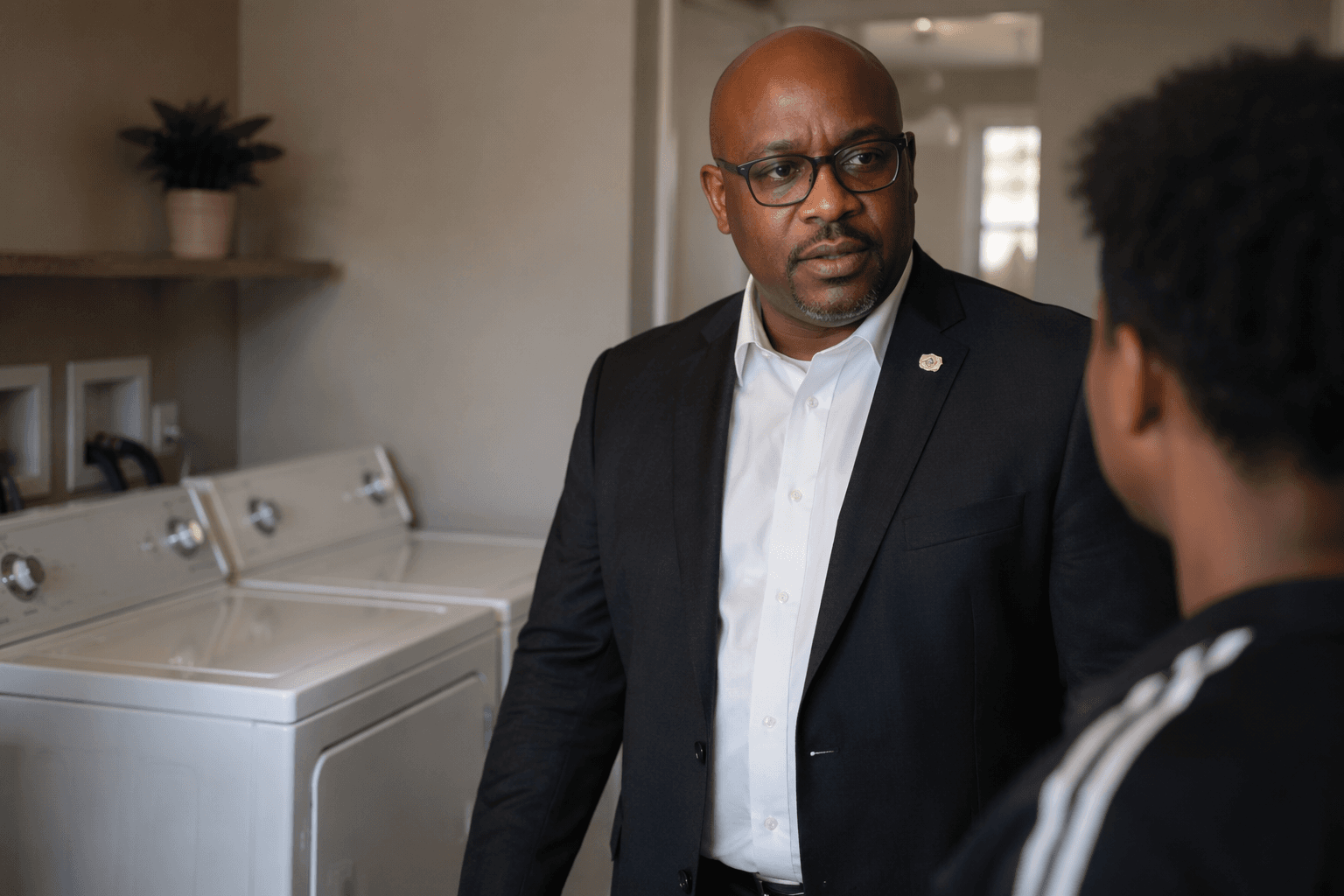
A city-owned house on Shaw Street opened Saturday as a place where residents can walk in, wash clothes, ask questions and connect with services in a corridor long tied to violence. The GSO Empowerment House at 209 Shaw St. is intended to be more than a symbol: it is meant to function as Violence Prevention Coordinator Greg Brooks’ office and a neighborhood touchpoint for support, referrals and future programming.
City officials and the Greensboro Police Department used an open house to bring residents inside the house from 2 to 5 p.m. on Saturday, June 27. Visitors got tours, food and refreshments, and outdoor activities including corn hole, bubbles and chalk drawing, part of an effort to make the place feel welcoming rather than formal or intimidating. Brooks said, “I can offer solutions, I can offer resources,” a line that captures the practical role city leaders want the house to play on Shaw Street.
The city bought the property in 2024 and has been working to turn it into what it calls a community-centered hub dedicated to safety, support and opportunity. One of the clearest signs that the building is meant for daily use is a washer and dryer inside the house, a small but concrete service in a neighborhood where residents may need immediate help before they ever reach a larger city office.
Assistant Police Chief M.J. Harris said officers will not be stationed there full time, even as the city hopes the house will change how the area is perceived over time. He said Greensboro saw an opportunity when the property became available and wanted to invest in the community in a visible way. City leaders also want nonprofits to use the space, which could make the house a broader resource instead of a police-only outpost.
The opening carries added weight on the East Market Street corridor, which the city’s planning department says was once a major shopping and social center for many of Greensboro’s African American residents. The city says urban renewal in the late 1950s and 1960s displaced thousands of people and more than 80 businesses, many of them minority-owned, and most never reestablished. That history helps explain why a city-backed house on Shaw Street matters not just as a service site, but as an attempt to rebuild trust in a place shaped by loss.
Greensboro says the Empowerment House fits into the work of the Greensboro Collaborative Action Network, or GSO CAN, a community-driven violence-prevention effort focused on root causes, intervention and prevention services and community cohesion. City crime-data pages also give residents access to weekly-updated crime information and historical data on violent and property crimes, part of the city’s broader effort to measure whether the house and related programs can change daily life along the corridor.
This article was produced by Prism’s automated news system from verified source data, official records, and press releases, then run through automated quality and moderation checks before publishing. The system is built and supervised by the people who set the standards it runs under. Read our full AI policy.
Did this article answer your question?