Greensboro Police Hold 5.41 Mile Run, Honor Fallen Officer
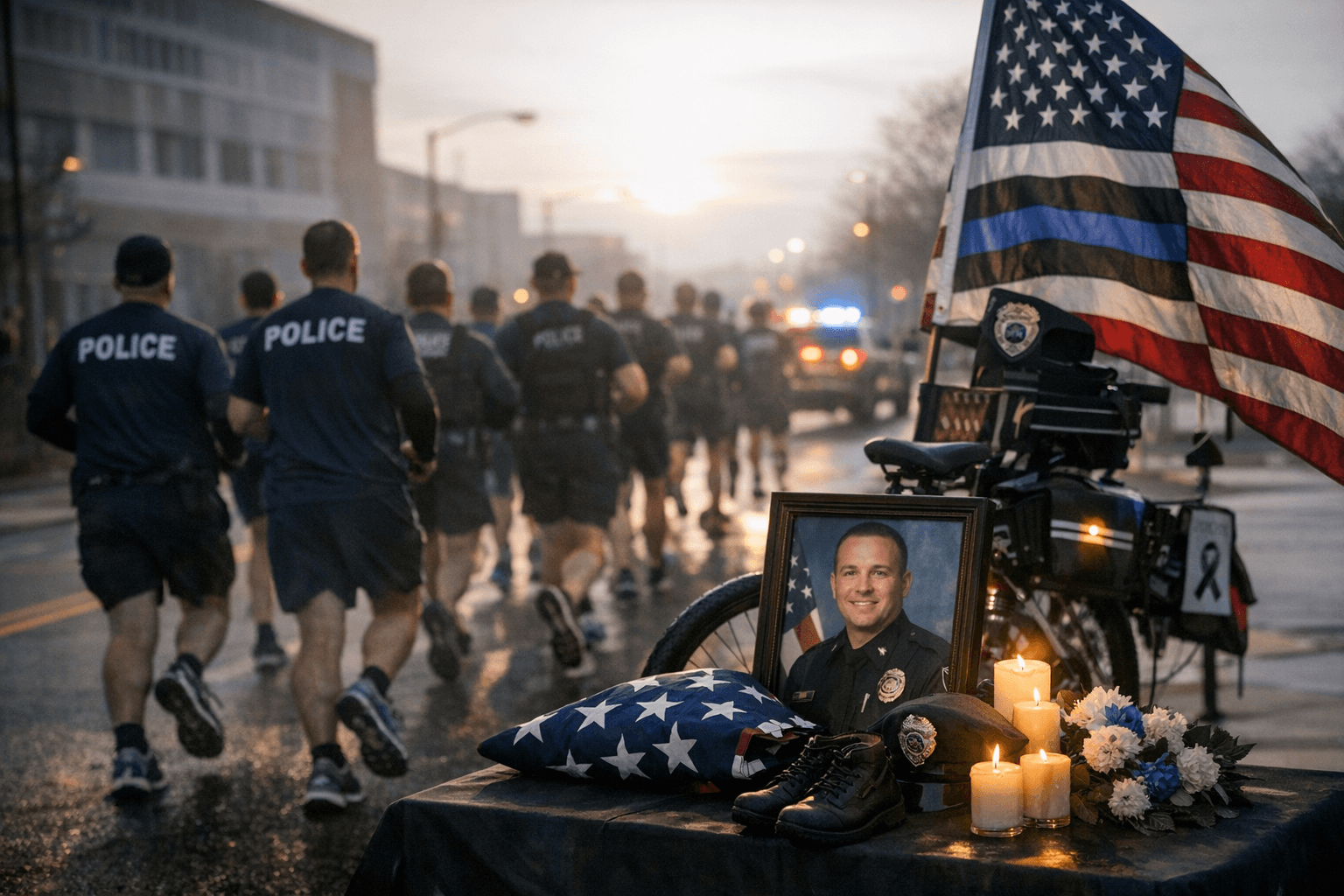
The Greensboro Police Department held a 5.41 mile remembrance run on December 22, 2025, to honor Officer Michael Horan roughly one year after he was shot and killed while responding to an armed person call. The event began at department headquarters and launched a year long rotating display bike tour that will visit each substation to show tributes and photos, reinforcing communal remembrance and prompting questions about policy and department practices.
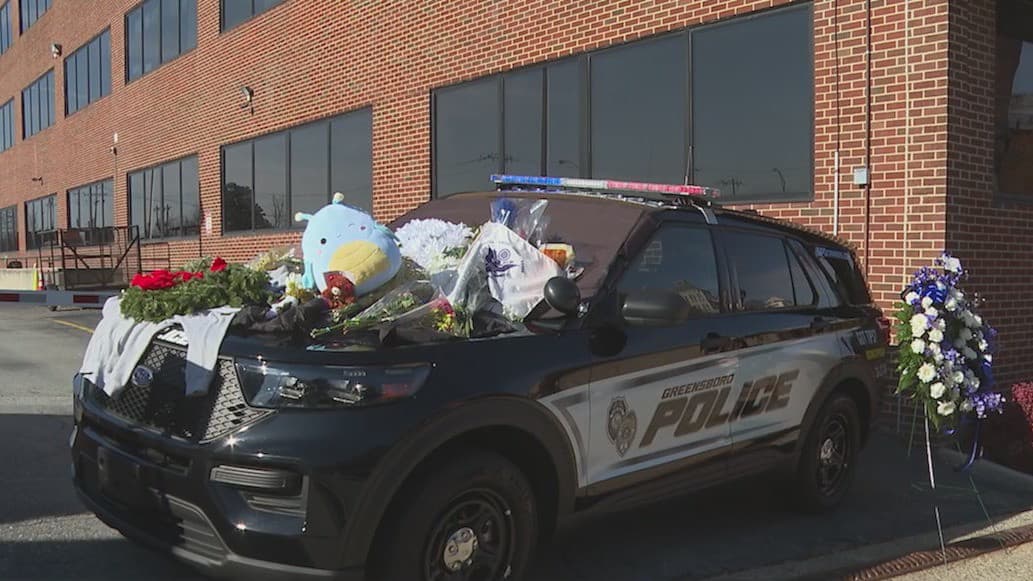
The Greensboro Police Department staged a 5.41 mile run on December 22, 2025, beginning at department headquarters to commemorate Officer Michael Horan, who was shot and killed last year while responding to an armed person call. The run marked a focal point of memorial activities and coincided with the rollout of a year long rotating display bike tour intended to bring tributes and photographs to each police substation across the city.
Organizers said the display tour will move through all substations during the coming year, allowing neighborhood residents to view tributes locally rather than traveling to a central memorial. The combined approach of a public run and mobile displays speaks to the department s effort to sustain remembrance while maintaining visibility in neighborhoods where both officers and residents live and work.
For local residents the events carry immediate emotional significance and civic implications. Memorial activities can serve as a venue for community solidarity and grief, and they also shape public conversation about officer safety, operational protocols, and departmental accountability. The circumstances of Officer Horan s death, involving an armed person call, underscore ongoing policy questions about equipment, training, incident command, and the resources available to officers when responding to high risk calls.
At the institutional level memorials influence organizational culture, morale, and recruitment. They can also affect how elected officials and voters prioritize funding for training, mental health services, and community policing initiatives. As Guilford County residents and policymakers consider budgets and oversight in the year ahead, events that keep a line of duty death in public view will likely inform debate over investments in policing and public safety reforms.
The rotating bike tour provides a localized setting for residents to engage, reflect, and raise concerns directly with their substations. Sustaining that engagement will be important for translating community sentiment into policy choices at city council and county levels. Memorials alone cannot substitute for transparent review and measurable policy actions, and officials will face continuing pressure to address both the operational causes behind line of duty deaths and the community trust that flows from how those matters are handled.
Know something we missed? Have a correction or additional information?
Submit a Tip