Greensboro posts warmest March-April stretch on record, drought concerns grow
Greensboro’s March ran 6.9 degrees above normal, then Guilford County slipped into severe drought as spring heat and dry soil hit daily routines.
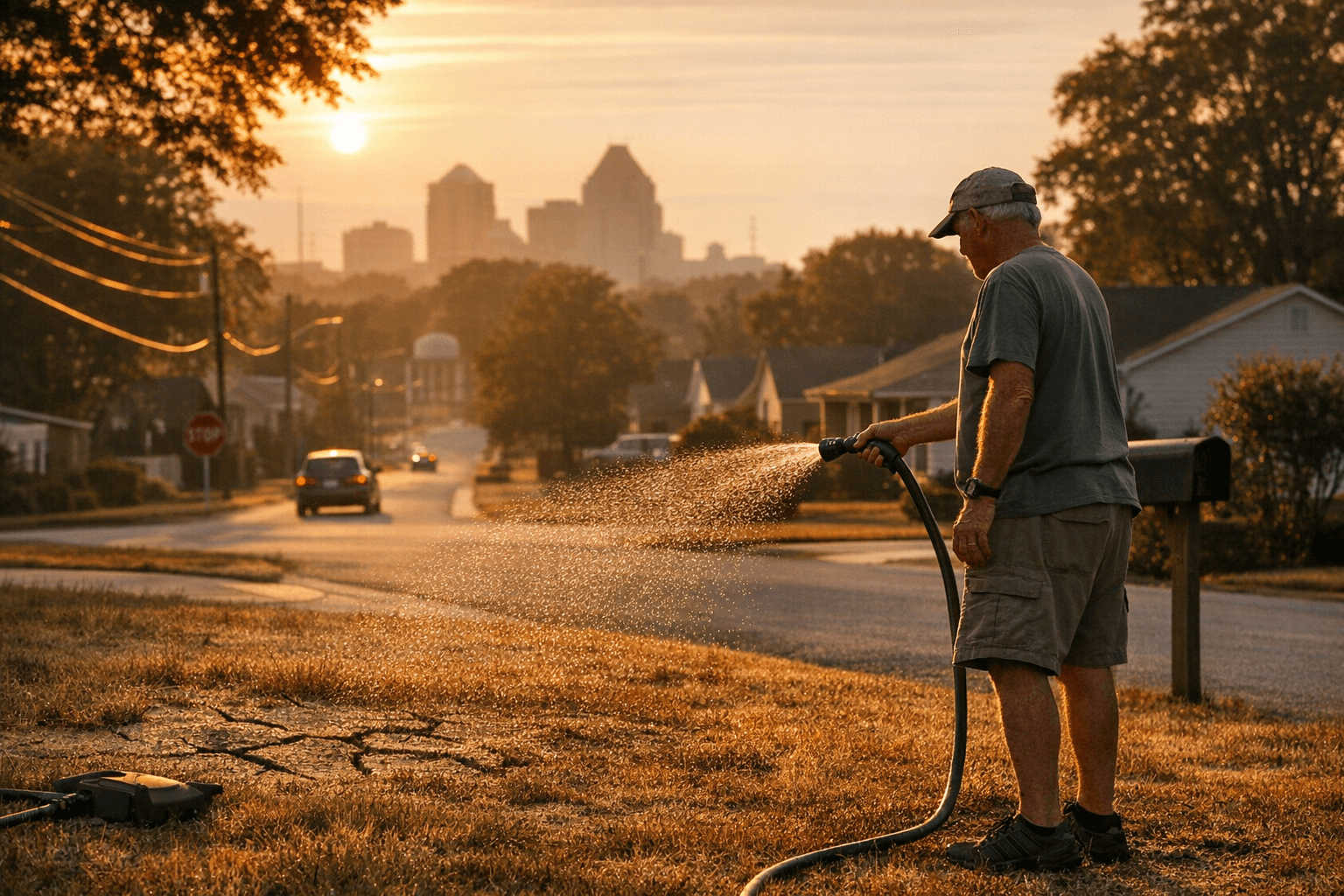
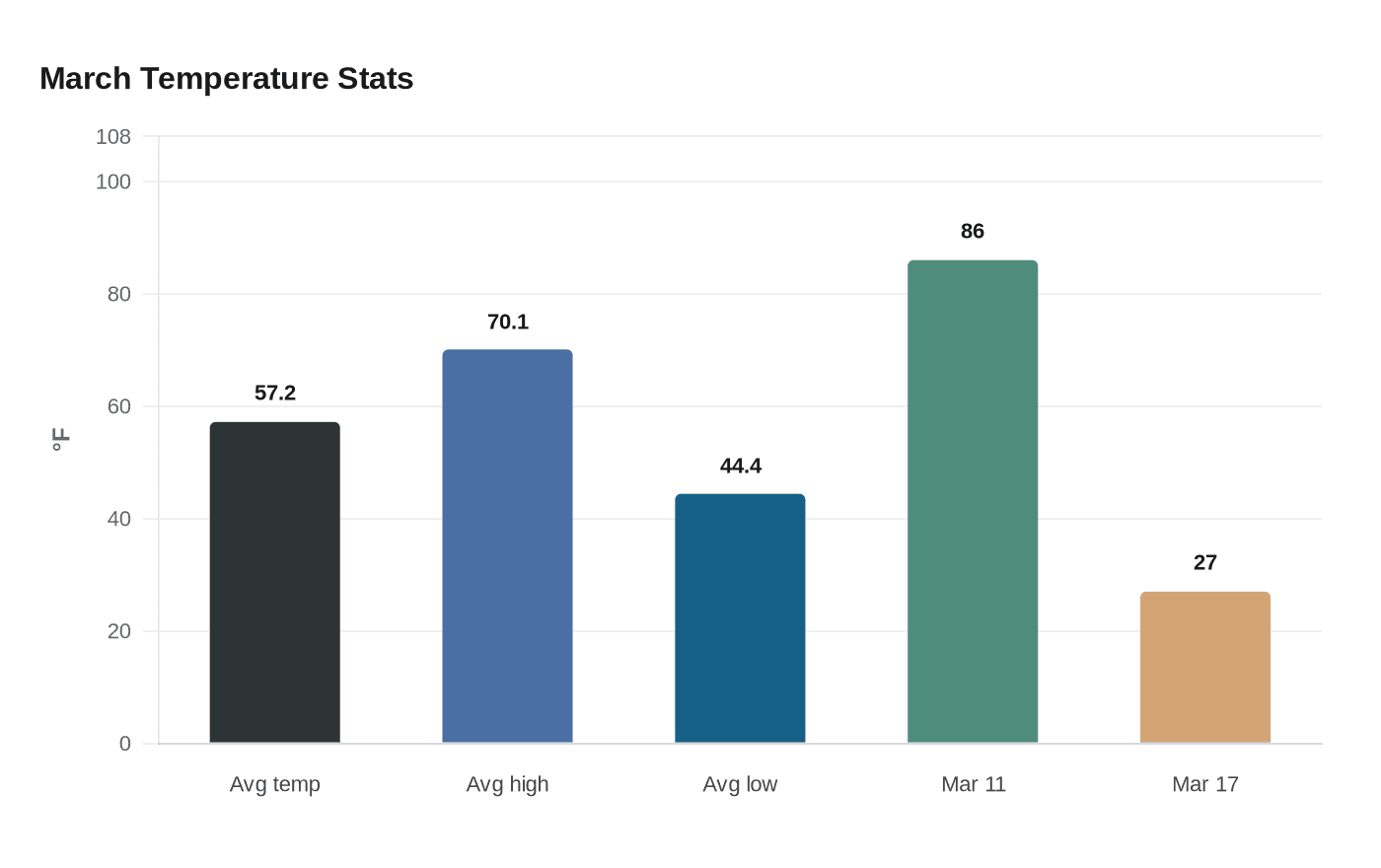
Air conditioners came on earlier, lawns dried faster and outdoor work got tougher as Greensboro raced through a March that felt more like late spring than the start of the season. The city’s climate summary for March showed an average temperature of 57.2 degrees, 6.9 degrees above the 1991-2020 normal, with just 1.86 inches of rain, far below the usual 3.72 inches.
The warmth was not just a one-day spike. Greensboro posted an average high of 70.1 degrees and an average low of 44.4 degrees, while the month reached 86 degrees on March 11 and fell to just 27 degrees on March 17. By March 22, the city hit 86 degrees again and set a record for that date, breaking the old March 22 mark of 85 set in 1948. People headed to parks, patios and ice cream shops to take advantage of the heat, a scene that has likely already pushed some families toward earlier cooling bills, more watering in gardens and less forgiving conditions for crews working outside.
Climate records show Greensboro’s March was not just warm, but historically so. The Southeast Regional Climate Center ranked it as the city’s fourth warmest March on record, part of a broader stretch in which much of the northern Southeast ran 6 to 8 degrees above average. Greensboro’s climate record begins in 1903, giving the city more than a century of weather history for comparison. The month also finished without a single day at 90 degrees or higher, but it still logged three days at or below freezing, a reminder of how volatile the season remained even as the overall pattern tilted hot.
The dry spell carried into April and turned from comfort issue to risk issue. By April 14, Guilford County was in severe, or D2, drought. Farmers told WFMY News 2 they had never seen a spring quite this dry, while Greensboro officials said the city’s water supply remained stable and no restrictions were in place. The city’s combined lake storage was described as holding about 9 billion gallons.
The current spring followed a recent warm benchmark of its own. In April 2025, Greensboro averaged 63.6 degrees, then the second-warmest April on record, just 0.3 degrees shy of the all-time warmest April, set in 2017 at 63.9 degrees. For the Triad, the pattern points to a longer, hotter shoulder season and a faster march toward summer costs, water stress and planning that may have started before spring even settled in.
This article was produced by Prism’s automated news system from verified source data, official records, and press releases, then run through automated quality and moderation checks before publishing. The system is built and supervised by the people who set the standards it runs under. Read our full AI policy.
Did this article answer your question?