Greensboro Remembers Davie Street Fire, Reexamines Lessons for Safety
On December 11, 2025 the Greensboro Fire Department and local historians gathered to mark the legacy of the April 13, 1985 Davie Street blaze, the largest modern era fire the department confronted. The remembrance centered on a new documentary led by a firefighter who responded to the incident, and explored how that night reshaped training, equipment, and interagency response across Guilford County.
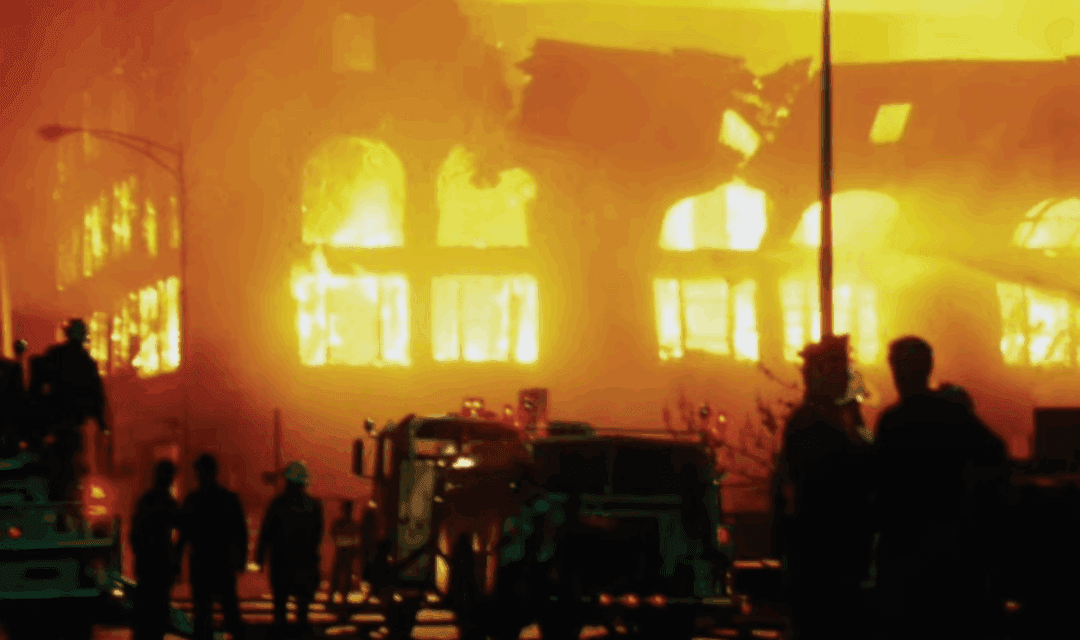
More than four decades after flames tore through Davie Street, the event remains a touchstone for Greensboro emergency services and the neighborhoods they protect. The gathering on December 11 reflected on the three alarm fire, the backdraft and wall collapse conditions crews confronted, and the ways those dangers forced the department and its partners to change tactics and tools.
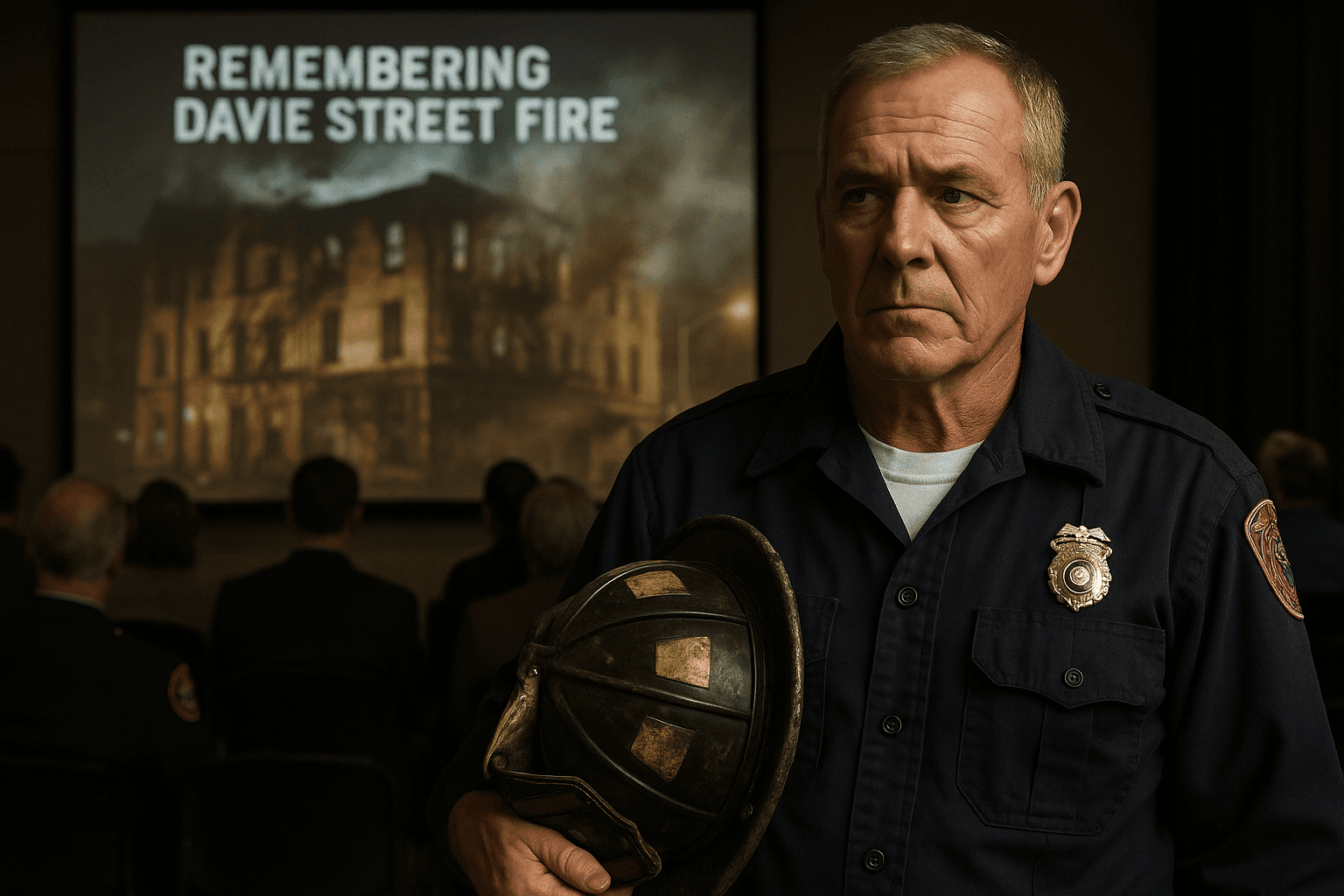
The documentary presented at the remembrance was led by a firefighter who was on scene in 1985. It assembled memories from current and retired firefighters to reconstruct how the incident unfolded and how it exposed gaps in readiness and coordination. Attendees included department leaders, local historians, and community members, and screenings and related events gave residents a chance to process the physical and institutional fallout from the blaze.
For residents of Guilford County the significance is practical and emotional. The Davie Street fire shaped decades of department policy, influencing equipment purchases, training curricula, and protocols for multi agency response. Those adjustments aimed to reduce trauma to firefighters and civilians, to make rescue operations safer, and to shorten the time it takes agencies to work together in a crisis. The episode also underscores the ongoing need to address firefighter health, including acute injuries and long term risks from smoke and structural collapse, and to ensure access to medical and mental health services for first responders and affected neighbors.
The remembrance also raised questions about equity in emergency preparedness. Neighborhoods with older buildings and constrained resources often face higher fire risk and slower recovery after major incidents, putting disproportionate burdens on low income residents and communities of color. Speakers and participants called attention to the need for sustained funding for preventive inspections, public education about fire safety, and equitable distribution of protective equipment and training across the county.
As Greensboro looks forward the lessons of April 13 1985 remain central to public safety planning. The documentary and the local conversations prompted by the December 11 events aim to keep institutional memory alive while pushing for policies that protect both firefighters and the most vulnerable residents across Guilford County.
Know something we missed? Have a correction or additional information?
Submit a Tip