Greensboro seeks residents’ input on civil rights preservation project
Two Greensboro landmarks tied to the city’s civil-rights fight may head to the National Register, and residents will weigh in before the May 28 meeting.
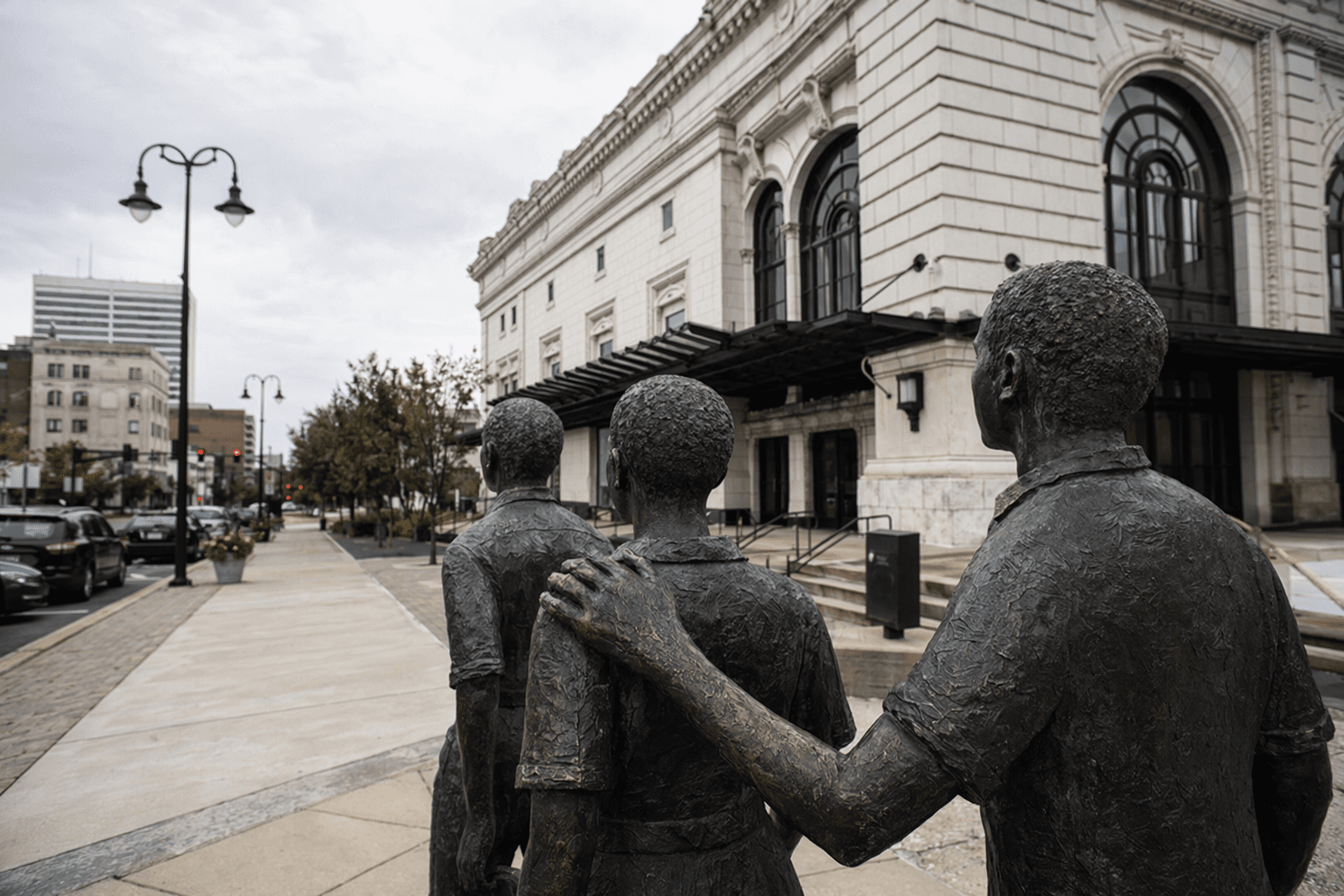
Two Greensboro landmarks tied to the city’s civil-rights struggle, Episcopal Church of the Redeemer and Gillespie Golf Course, are moving toward possible National Register of Historic Places nominations as the city asks residents to help decide what gets preserved, interpreted and passed on with public money.
The city said May 7 that it will hold a community meeting from 6 p.m. to 8 p.m. Thursday, May 28, at Episcopal Church of the Redeemer, 901 E. Friendly Ave. The session is part of a $75,000 African American Civil Rights grant project funded through the National Park Service’s Historic Preservation Fund. City and county staff and commissioners are expected to update residents on the nomination process and on preservation tools that can shape what survives next, including Greensboro and National Register historic districts, the Guilford County Landmark Program, state and federal rehabilitation tax credits and the Heritage Community Program.
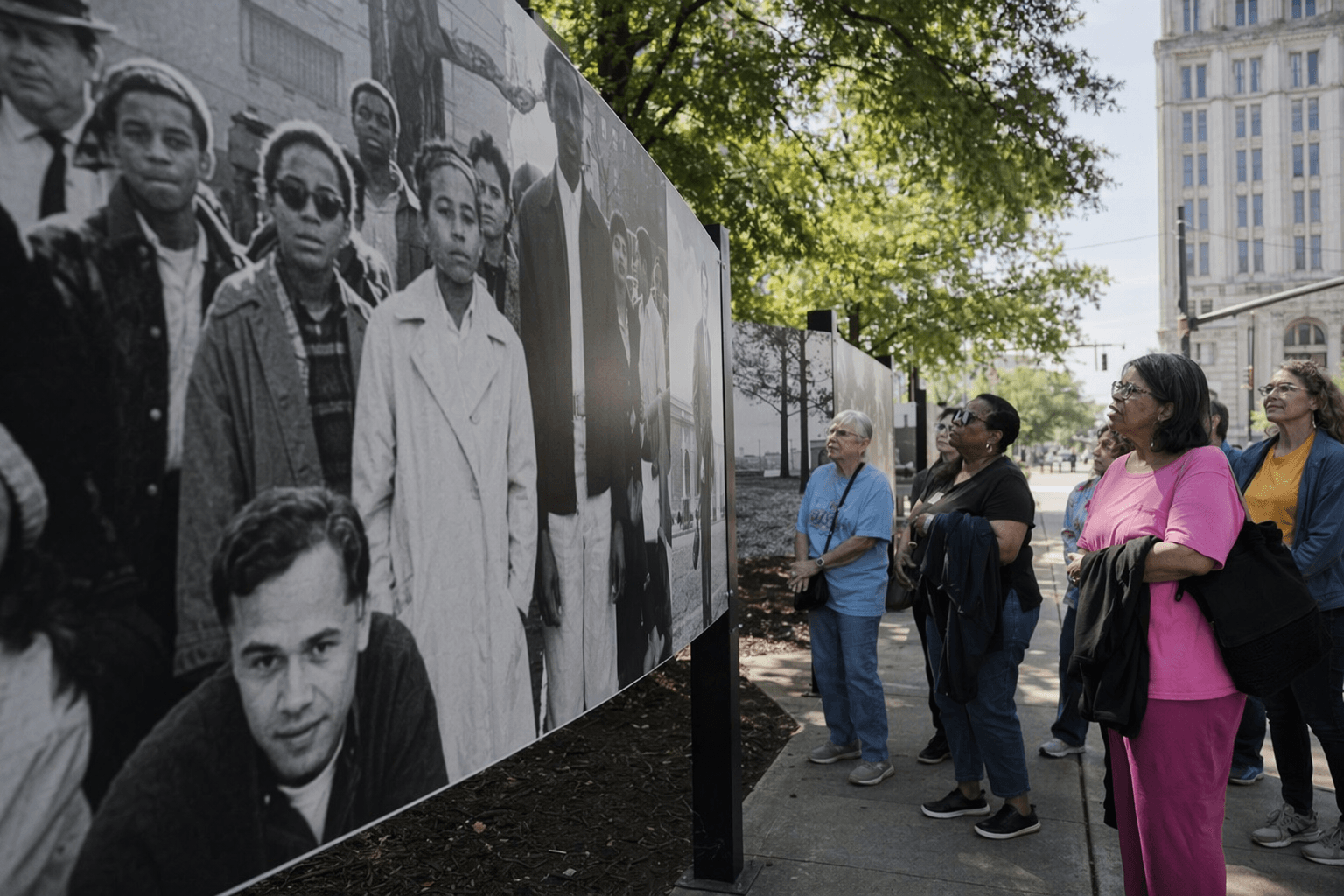
The stakes reach beyond paperwork. The National Park Service says its African American Civil Rights grant program is meant to document, interpret and preserve the sites and stories of the African American struggle for equal rights. In Greensboro, that work has already helped expand the Downtown Greensboro Historic District to include mid-20th-century architecture and civil-rights history, survey historic buildings in east and southeast Greensboro and list the South Benbow Road Historic District on the National Register. Greensboro says it now has three National Historic Landmarks, 13 districts and 43 individual properties on the National Register.
The city’s recent preservation work has also moved oral history into the record. Oral histories from the South Benbow Road project are being archived at the State Archives of North Carolina, and the district became Greensboro’s first historically African American neighborhood listed on the National Register. That history matters because the current grant could determine which neighborhoods, churches and recreation spaces receive formal recognition while living memories are still accessible. The risk is that some places central to Black civic life, especially in east and southeast Greensboro, may remain underdocumented if residents do not bring names, photographs, church bulletins and family stories to the table.
Gillespie Golf Course makes that urgency concrete. The course opened in 1941, and in 1955 Dr. George Simkins and five other Black men challenged its whites-only policy, helping force change in Greensboro recreational spaces. The city dedicated a North Carolina Civil Rights Trail marker there in August 2023, and the PGA of America REACH Foundation awarded Gillespie a $250,000 legacy grant in February 2024 for revitalization tied to its civil-rights history. With the May 28 meeting, Greensboro is asking the public to help decide whether that history stays in memory alone or becomes part of the city’s protected civic record.
This article was produced by Prism’s automated news system from verified source data, official records, and press releases, then run through automated quality and moderation checks before publishing. The system is built and supervised by the people who set the standards it runs under. Read our full AI policy.
Did this article answer your question?