Greensboro woman’s stalled driveway project gets finished after news help
A $25,000 to $30,000 driveway and carport job stalled for more than a year until WFMY pressed the contractor and work finally resumed.

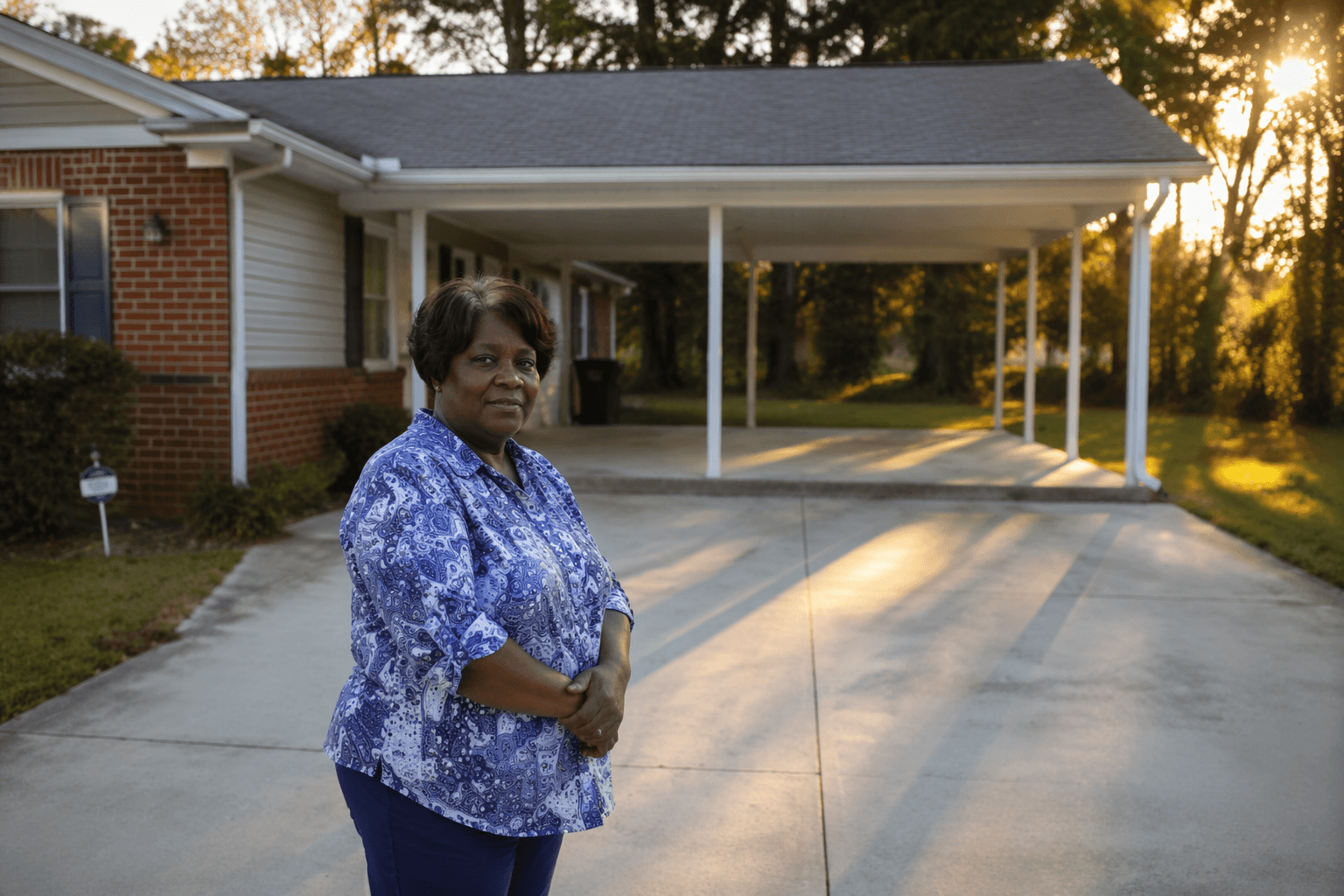
Lisa Stamer’s driveway repair turned into a lesson in how fast a home project can unravel when payment, communication and oversight fall out of sync. In Greensboro, the job that began as a fix for tree-root damage ended with an unfinished site, a state inspector flagging code concerns and a homeowner waiting more than a year for a resolution.
Stamer moved from Portland, Oregon, to North Carolina six years ago and found the kind of quiet Greensboro neighborhood many buyers want, with mature trees and a ranch-style house. Those same trees later created the problem: roots pushed through and cracked the driveway. She sought bids for a replacement driveway and a new carport with storage space and electricity, then hired a contractor she believed offered a fair price for a project that ran roughly $25,000 to $30,000.
The work began with demolition of the old driveway and framing for the carport. Stamer said she paid thousands as the job moved forward, including an initial $6,000 cash payment, but the progress soon stopped. Weeks turned into months as the contractor kept offering excuses, leaving her with a torn-up property and no clear end point.
A state inspector later examined the work and found code-related concerns, adding another layer to the dispute. For Stamer, the situation was especially difficult because the job was incomplete and the work already done did not meet requirements. Only after she reached out to WFMY News 2 did the project begin moving again, with crews returning to finish the driveway and complete the carport.
The case shows why North Carolina’s home-improvement rules matter long before a problem reaches that point. The North Carolina Licensing Board for General Contractors says a general contractor must be licensed if the contract is valued at $40,000 or higher, and it urges homeowners to verify licensing, check at least three references and use a detailed written contract before work begins. The board also has a complaint process for licensed contractors, and for unlicensed contractors when the project cost is $40,000 or more.
That threshold matters in cases like Stamer’s, because a project priced below $40,000 can still leave a homeowner exposed if work stalls, code issues surface or money has already changed hands. The board’s Homeowners Recovery Fund exists as a last resort for some losses caused by dishonest or incompetent licensed contractors, but it is designed for cases where other remedies have already been exhausted. In Stamer’s case, the news station’s intervention helped turn a stalled job into a finished one, but the longer lesson is simpler: once a contractor stops communicating, the bill is only part of the risk.
This article was produced by Prism’s automated news system from verified source data, official records, and press releases, then run through automated quality and moderation checks before publishing. The system is built and supervised by the people who set the standards it runs under. Read our full AI policy.
Know something we missed? Have a correction or additional information?
Submit a Tip