Marsh Cabinets marks 120 years in High Point with 560 workers
Marsh Cabinets will mark 120 years in High Point with 560 workers on a 20-acre campus, even as more than half the region’s furniture workers near retirement.

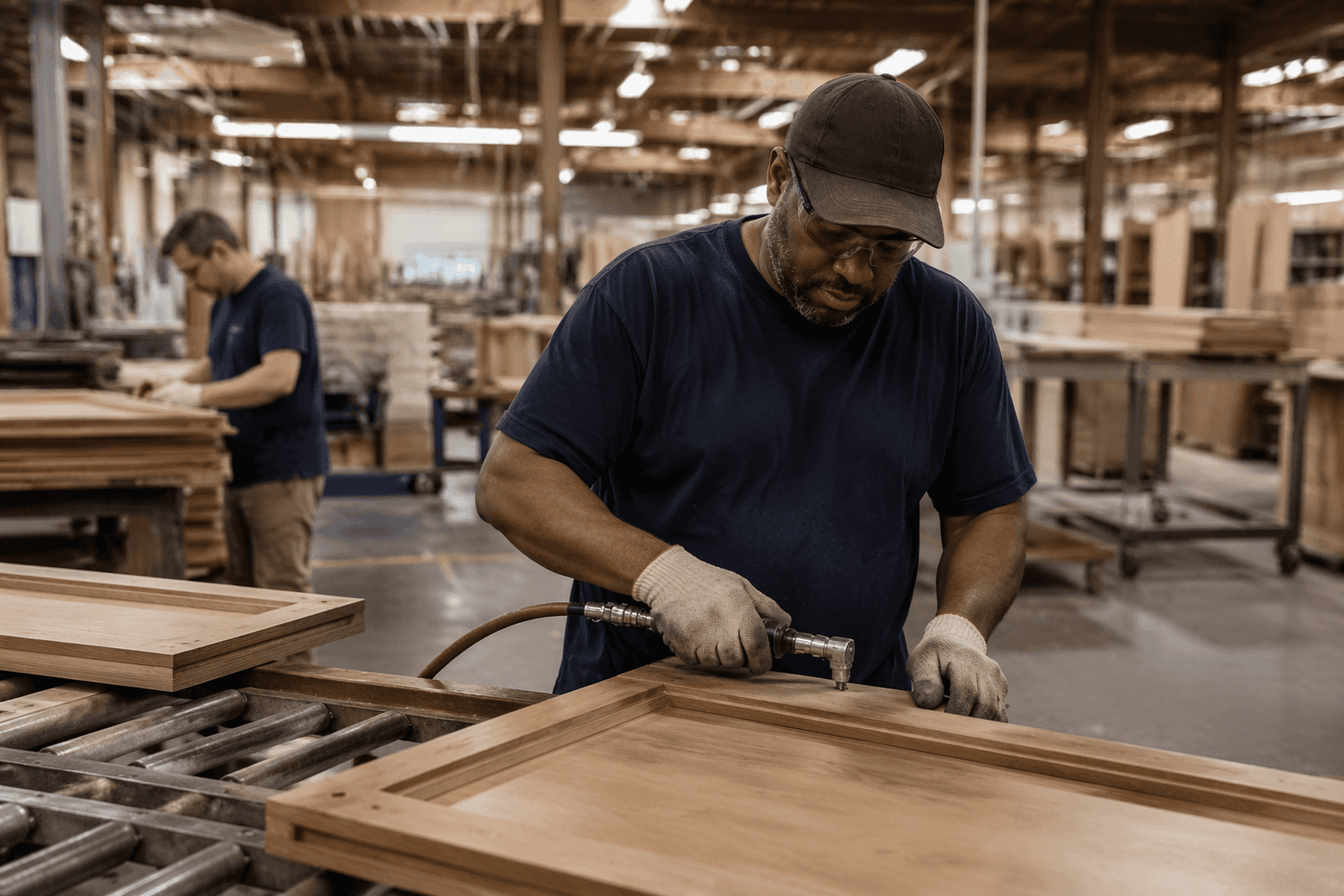
Marsh Cabinets is heading toward its 120th anniversary in High Point with a 560-person workforce still turning out kitchen and bathroom cabinets from a roughly 20-acre campus. In a city that built its identity around furniture, the company’s size and longevity make it one of the clearest examples of manufacturing still anchoring local jobs.
The business began in July 1906, when Julius Everett Marsh, Sr. opened a one-room shop in High Point and made functional and decorative kitchen furniture at a time when the kitchen cabinet was still a relatively new idea. Marsh’s early products included kitchen safes, wardrobes and bookcases before the company settled into kitchen cabinets as home design changed. That ability to shift with the market helped the company outlast a century of economic churn.
High Point’s own history helps explain why Marsh still matters. The city became the center of furniture manufacturing and marketing in the South after 1900, and after World War II an estimated 60% of all furniture made in America was produced within a 150-mile radius of High Point. But the city’s industrial survey also notes that foreign competition and lower operating costs pushed many High Point industries to close in the late 20th century. Marsh survived where many others did not.
Edwin Underwood, Marsh’s president and chief operating officer since 1994, has said the company has stayed alive by adapting to changing consumer tastes and by investing in the ability to move quickly when the market changes. He has also emphasized that most of the company’s work is U.S.-based and done in High Point, keeping the payroll tied to the Triad even as the products move to builders and dealers across the Southeast.

That local footprint now carries added weight because the region’s furniture workforce is aging. In April 2024, GuilfordWorks and High Point officials said more than half of the furniture-industry workforce could retire in the next seven to 10 years, a warning that has pushed recruitment efforts and “earn while you learn” training programs aimed at younger workers. Marsh’s continued operation shows that the challenge is not only preserving a historic industry, but replacing the skilled labor that still keeps it running.
This article was produced by Prism’s automated news system from verified source data, official records, and press releases, then run through automated quality and moderation checks before publishing. The system is built and supervised by the people who set the standards it runs under. Read our full AI policy.
Know something we missed? Have a correction or additional information?
Submit a Tip