Greensboro’s AIR program helps residents with disabilities join community life
A van ride to bowling shows how Greensboro’s AIR program turns transportation into access, helping about 1,800 residents with disabilities build routine, friendships and independence.
A van pulling up for a bowling outing may look ordinary, but in Greensboro it can be the difference between staying home and showing up. The city’s Adaptive and Inclusive Recreation division, known as AIR, is built around that idea: if transportation, design and support are in place, residents with disabilities are far more likely to join community life instead of sitting on the sidelines. AIR reaches roughly 1,800 people across Greensboro and the surrounding area, and its impact runs from recreation to family stability, social connection and greater independence.
Why AIR matters beyond recreation
Greensboro Parks and Recreation says AIR exists to provide recreation services for individuals of all abilities and to help participants reach their highest level of independent functioning. That mission is bigger than sports leagues or a calendar of outings. It speaks to whether people can build routines, make friends, leave the house regularly and stay connected to the places that make Greensboro feel like home.
The city says the division works from a strength-based perspective, focusing on leisure awareness, skill-building and active engagement in the Greensboro community. Its inclusion services are designed to reduce physical, programmatic and attitudinal barriers, while also giving staff a role in advocacy, disability awareness and disability training. In practice, that means AIR is doing more than hosting events. It is helping remove the obstacles that often decide who gets to participate in public life at all.
For families, that has practical stakes. When a program can provide access to an activity, it can also help caregivers keep working, reduce isolation for participants and create a reliable place to go in a city where social connection is not always easy to maintain. That is why AIR belongs in the conversation about quality of life in Guilford County, not just in the conversation about parks.
Where the program is based
AIR operates out of the Greensboro Sportsplex, a 106,000-square-foot indoor sports complex at 2400 16th St. That location matters because it gives the program a physical hub for activities, coordination and outreach in a city where access is often tied to whether a place is reachable and usable. A central base helps AIR organize sports, outings, camps and transportation in one place rather than scattering those services across the city.
Sharon Williams leads the division and has spent decades in therapeutic recreation, including time spent helping people focus on what they can do rather than what they cannot. She joined Greensboro Parks and Recreation in 2014 after working in other counties, and city materials say she oversees two full-time employees along with volunteers. Colleagues call her “The Human Tornado,” a nickname that reflects how much coordination the job requires when the goal is to make inclusion feel seamless to participants.
What AIR offers residents
AIR is not a single program. It is a network of adaptive sports, camps, outings and support services, with offerings that change based on age and ability. The city says some programs are designed for certain age groups and ability classifications, which helps participants find activities that fit their needs rather than being forced into a one-size-fits-all model.
Current and ongoing offerings include:
- Adaptive Fitness and Games, part of AIR’s 2026 programming.
- Spring program registration, which shows the calendar is active and recurring rather than occasional.
- Challenger Basketball and Cheerleading, designed for individuals with disabilities ages 10 to 35.
- Adaptive Paddling at Lake Higgins, offered in partnership with GetOutdoors Pedal and Paddle.
- Youth and teen programs for participants of all abilities, including Tweens on the Scene for ages 12 to 21.
Those options matter because they cover different stages of life, from preteen years through adulthood. A family looking for an entry point may find one through a teen program, while an adult participant may be more interested in fitness, paddling or a team setting like Challenger sports.
How AIR expands access across the city
AIR’s reach extends beyond its own calendar. Greensboro Parks and Recreation says the department’s broader mission is to provide inclusive programs, facilities, parks and open space, and AIR is one part of that larger commitment. Keeley Park’s “Up in the AIR” all-inclusive playground is a visible example of how that approach moves into public space, not just scheduled programming.
The city’s inclusion services also mean AIR staff can support people in other parks and recreation programs, not only in specialized events. That broader role is important because accessibility is rarely a matter of one perfect program. More often, it is the combination of an adapted activity, a trained staff member, a safe playground, a ride to the venue and a setting where a participant does not have to explain basic needs over and over.
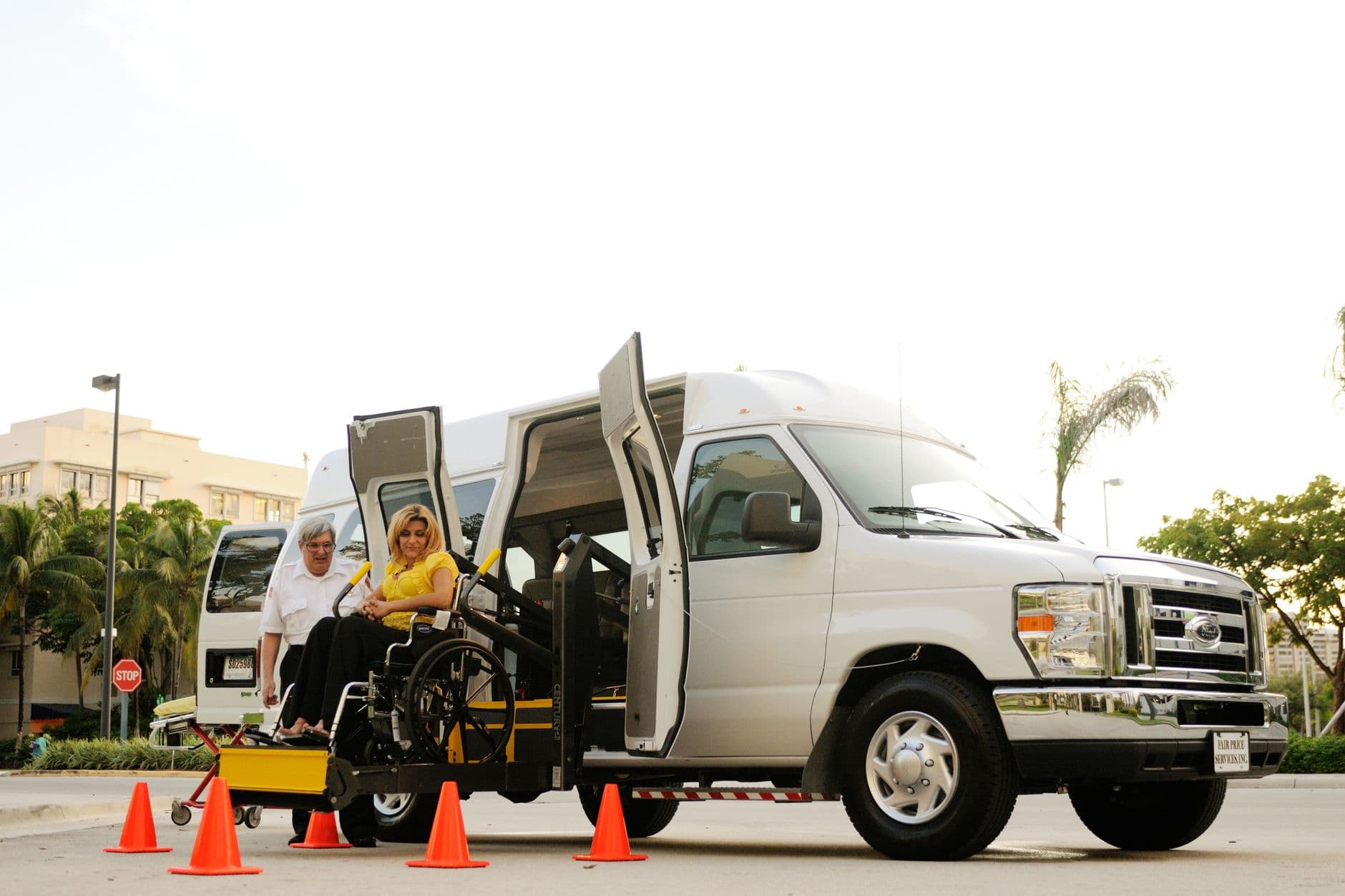
That is why the transportation piece matters so much. The opening van ride to bowling gets at a simple truth: if a person cannot get there, the rest of the program never starts. For some residents, especially people managing disability-related barriers, that ride is not a convenience. It is the first step toward being present.
A local model with wider implications
AIR also has a growing network. In late 2025, Greensboro Parks and Recreation and UNCG’s Department of Community and Therapeutic Recreation announced an Adaptive Sports Expo, showing that the program has ties to the university and to broader disability-recreation collaboration in the city. That partnership suggests AIR is not operating in isolation. It is part of a local ecosystem that includes higher education, parks and recreation staff, volunteers and community organizations.
The biggest measure of AIR’s value may be this: it helps turn recreation into participation. Charles Carr, a veteran who had a stroke, said the program helped him get out of the house and gave him a reason to be active in the community again. That kind of outcome is not just about a game, an outing or an afternoon at the Sportsplex. It is about whether Greensboro makes room for residents with disabilities to belong, build routines and stay connected to the city around them.
This article was produced by Prism’s automated news system from verified source data, official records, and press releases, then run through automated quality and moderation checks before publishing. The system is built and supervised by the people who set the standards it runs under. Read our full AI policy.
Did this article answer your question?