Guilford County Schools Explain Winter Closure Process, Emphasize Meals
Guilford County Schools held a public discussion December 4 to explain how officials decide on delays, closures and remote learning when wintry weather approaches, outlining safety checks, interagency coordination and student meal plans. The briefing matters to families and staff because it clarifies decision criteria, communication options and supports for students who rely on school meals.
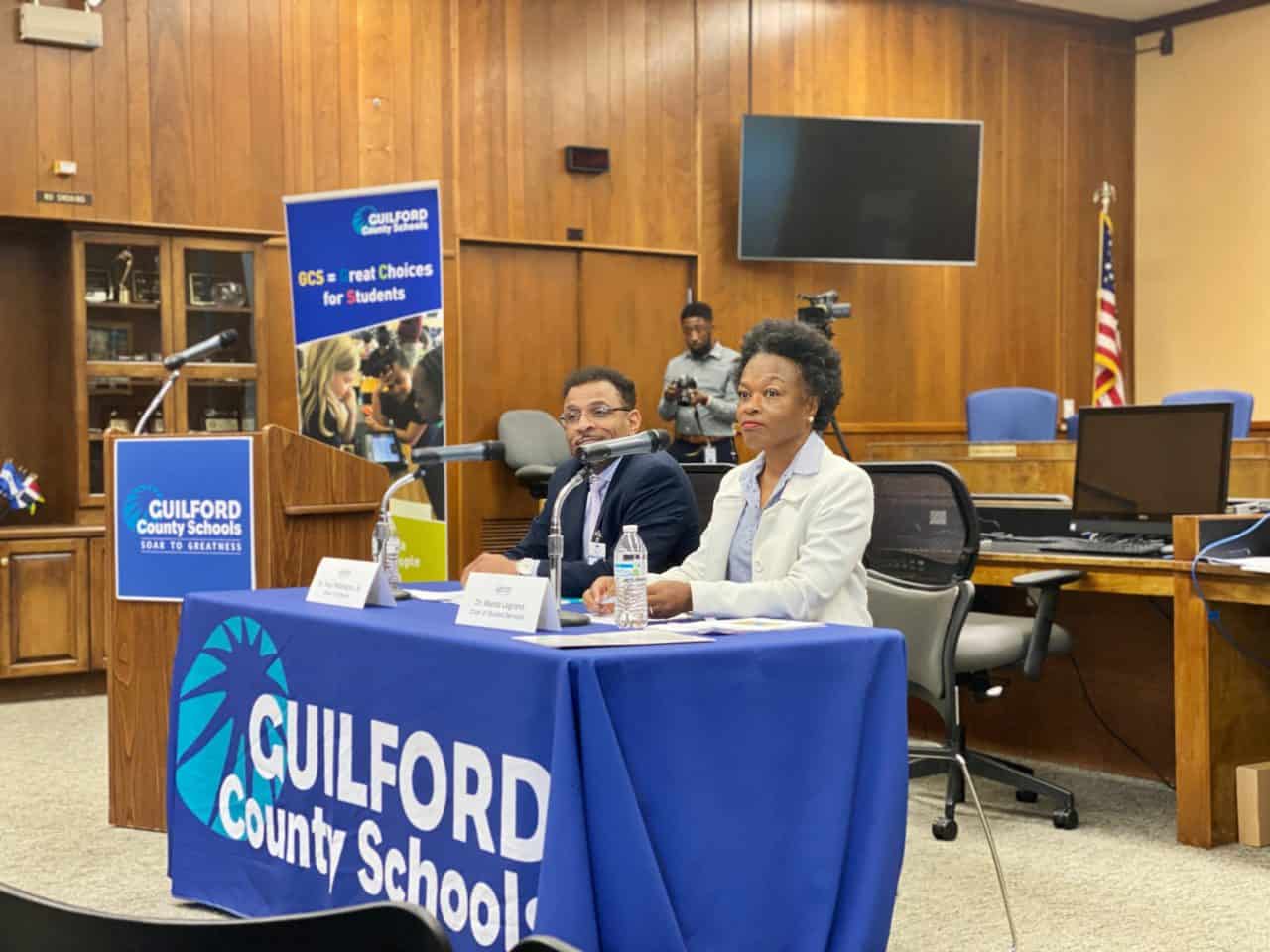
Guilford County Schools officials led a public forum on December 4 that detailed the district process for deciding delays, closures and remote learning during wintry weather. Assistant Superintendent for School Safety and Emergency Management Mike Richey explained the operational steps staff take, from pre dawn route checks to coordination with municipal and state road crews.
Transportation supervisors drive bus routes in the early morning to inspect bridges, curves, accumulated ice or snow and downed trees. The district operations team then coordinates with city, county and NCDOT crews to assess road conditions before making a decision. Those on the ground provide critical, time sensitive information that the district uses along with broader weather forecasts and local road treatment reports.
Officials described how they weigh whether to close schools in person or move to a remote learning day. Key factors include how much advance notice families can be given, how many students have devices and reliable internet access at home, and how many traditional snow days remain in the calendar. Those considerations reflect an attempt to balance safety with instructional continuity and equity concerns for students without ready access to remote learning technology.

The briefing also addressed nutrition access during closures. The district outlined meal pick up plans for families who rely on school meals, and asked parents and caregivers to monitor official communications for locations and schedules. Families were reminded how to opt in for district messages by texting START to 60680 for non emergency messages, or to 54968 for emergency messages, or by calling 1 855 502 7867 for district level calls.
The session underscored institutional accountability and transparency in emergency decision making. Clear protocols and visible coordination with transportation and public works agencies can reduce confusion on winter mornings, but the district faces policy trade offs between providing timely notice and protecting student safety. For residents, the practical implications are immediate. Parents and guardians should note the communication options and the district emphasis on device access and meal continuity, and consider engaging with school leadership and the board about how weather policies affect family routines and student learning.
Know something we missed? Have a correction or additional information?
Submit a Tip