Guilford County Schools Seeks $19.5M to Preserve One-to-One Device Program
Guilford County Schools requested about $19.5 million to replace COVID-era student devices and teacher laptops so the one-to-one program can continue without cutting classroom tech access.
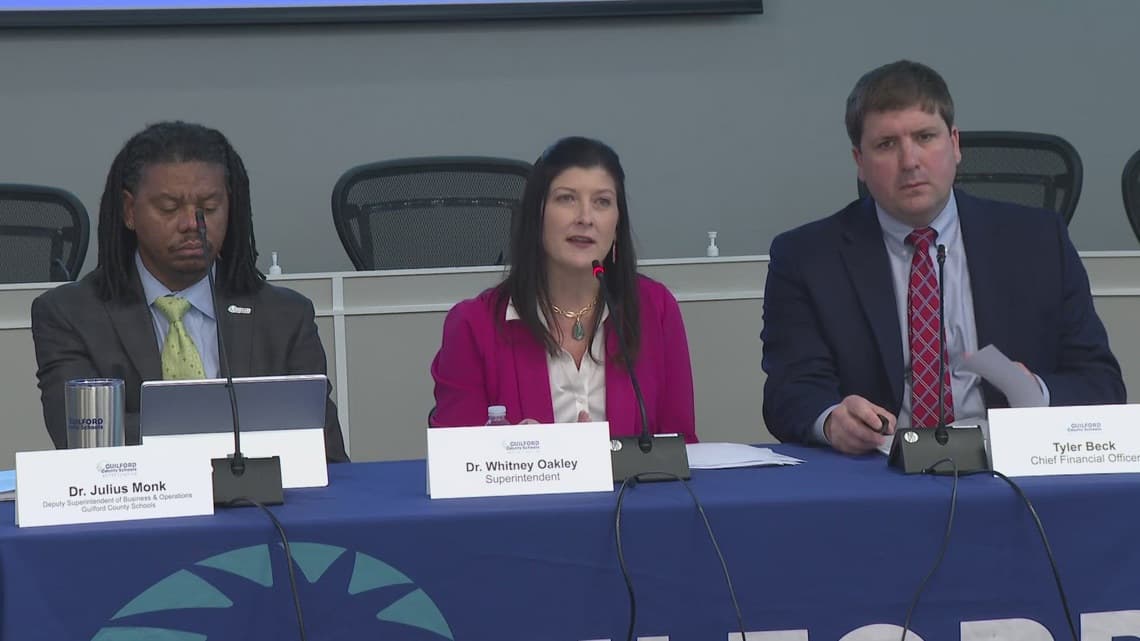
Guilford County Schools officials told the school board they will need roughly $19.5 million to maintain the district’s one-to-one device program for the coming school year. Chief Technology Officer Rashad Slade said many devices purchased during the COVID period are reaching end-of-life and must be replaced in bulk, and the estimate includes replacement of about 5,000 teacher laptops that need new machines by December.
District leaders warned the board that without secured funding, the district will have to alter how technology is used in classrooms. That could include shifting from individual student devices to shared carts, limiting device-dependent lessons, or narrowing access to online resources during school hours. Officials framed the request as a near-term, large-scale capital need rather than routine maintenance.
The funding gap arrives as schools statewide grapple with technology budgets after pandemic-era purchases. Guilford County is not alone in facing a coming replacement cycle for laptops and tablets bought in large numbers in 2020 and 2021. Technology officers across the state have highlighted the uneven funding streams for device lifecycle management, forcing districts to juggle classroom priorities and long-term infrastructure needs.
For local classrooms, the implications are immediate. Students who have relied on daily one-to-one access for digital assignments, assessments, and classroom collaboration could see instruction revert to paper-based work or teacher-led demonstrations if devices are withdrawn or rationed. Teachers face the prospect of losing personal productivity tools and lesson-planning efficiencies tied to assigned laptops, particularly if replacements are delayed beyond the December deadline for thousands of staff devices.

The budget request puts the school board and county funding authorities in a position to weigh competing priorities during upcoming budget deliberations. School leaders must identify funding sources, which could include reallocations within the district budget, county support, or one-time grants. The scale of the $19.5 million ask will require trade-offs or new revenue commitments if the district is to avoid curtailing classroom technology.
Parents, educators, and community groups will likely scrutinize any proposed changes to the one-to-one program given its role in daily learning and equity of access. The coming weeks will determine whether Guilford County Schools can preserve districtwide device access or whether teachers and students will need to adapt to reduced technology availability.
Know something we missed? Have a correction or additional information?
Submit a Tip