High Point Museum Opens Exhibit Highlighting Black Architects and Builders
The High Point Museum announced on Jan. 2 that it will host the traveling exhibition "We Built This: Profiles of Black Architects and Builders in North Carolina," running through the end of January. The show spotlights the contributions of Black professionals to the state's built environment and offers local residents, students, and heritage visitors a timely cultural and educational opportunity.
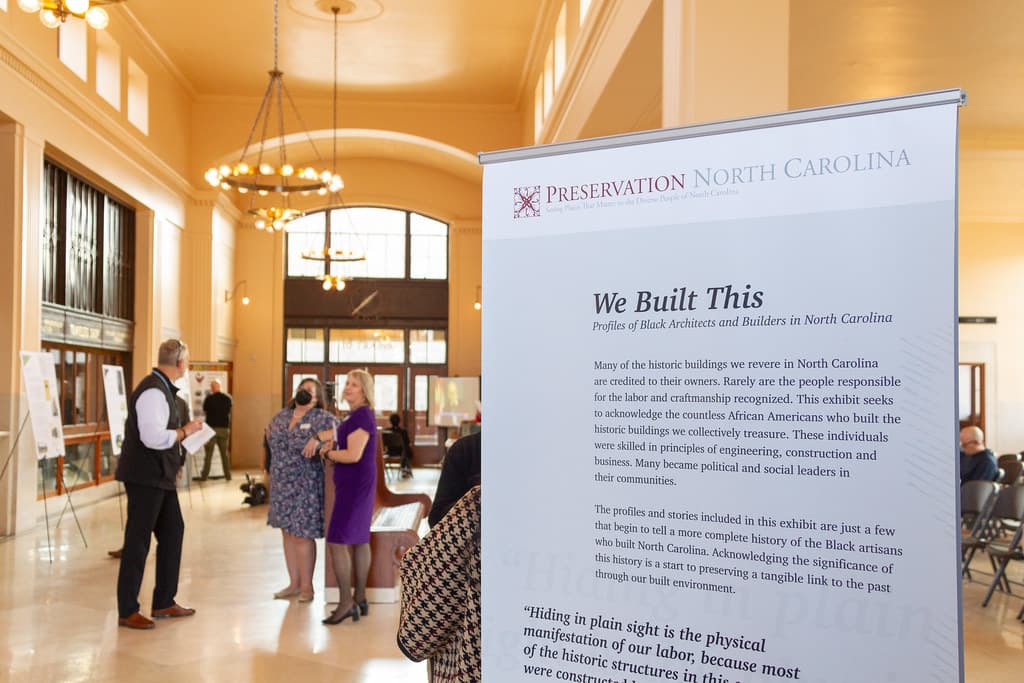
On Jan. 2 the High Point Museum announced it will host the traveling exhibition "We Built This: Profiles of Black Architects and Builders in North Carolina," a statewide presentation organized by Preservation North Carolina. The exhibit opened in early January and will remain on view through Jan. 31, 2026, offering Guilford County residents a month-long chance to engage with stories and designs that have often been overlooked in architectural histories.
The exhibition compiles profiles of Black architects and builders across North Carolina, highlighting both individual careers and broader patterns of construction, design, and community leadership. Preservation North Carolina curated the traveling show to amplify the role Black professionals played in shaping neighborhoods, places of worship, civic buildings, and private residences. The museum announcement includes basic visitor information and dates for the run.
For local audiences the exhibit serves several practical roles. It is an educational resource for area schools and colleges seeking place-based learning tied to architecture, African American history, and preservation. It provides a cultural offering during January, a month that typically sees fewer tourism-driven events, and can help sustain museum foot traffic and nearby small businesses that benefit from visitor spending. The presence of a statewide traveling exhibit also elevates High Point's profile as a cultural stop within Guilford County, potentially attracting regional visitors interested in architecture and heritage.

The exhibition also intersects with ongoing conversations about preservation policy and representation in the built environment. Local preservationists, educators, and municipal planners may use the exhibit as a catalyst to reassess which sites and architects receive public recognition and conservation resources. Bringing these profiles to a local audience can prompt inventories of historically significant buildings designed or built by Black practitioners and encourage investment in documenting and maintaining those sites.
Residents interested in seeing the exhibition should consult the High Point Museum for visitor hours, admission details, and any programming tied to the show. The museum's hosting of "We Built This" offers Guilford County a concentrated opportunity to learn about the architects and builders whose work helped construct communities across North Carolina, and to consider how local policy and preservation priorities might better reflect that history.
This article was produced by Prism’s automated news system from verified source data, official records, and press releases, then run through automated quality and moderation checks before publishing. The system is built and supervised by the people who set the standards it runs under. Read our full AI policy.
Did this article answer your question?