Jerry Bledsoe, Investigator of Police Misconduct, Dies at 84
Jerry Bledsoe, the bestselling true crime author and longtime Greensboro reporter, died on New Year’s Eve at age 84. His work, including the Rhino Times series Cops in Black and White and the book Bitter Blood, exposed patterns of misconduct and racial disparities that reshaped local conversations about policing and accountability.
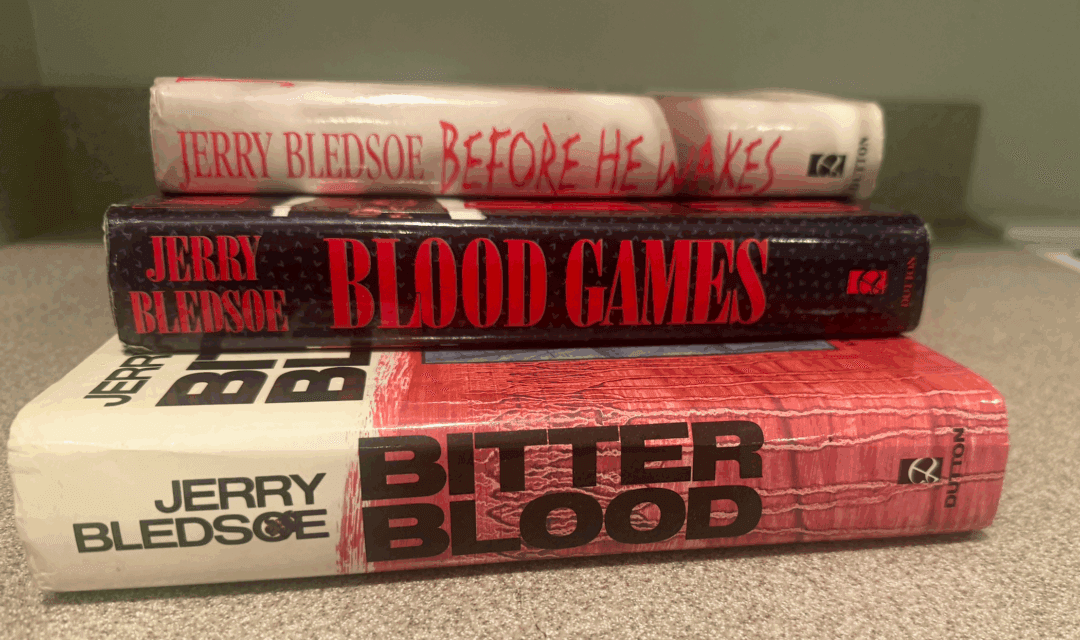
Jerry Bledsoe, a prolific author and veteran journalist known for tackling entrenched institutional power, died on New Year’s Eve at the age of 84. Bledsoe built a career on long-form reporting and narrative nonfiction that brought complicated, often painful subjects into the public eye, and his passing marks the loss of a prominent voice for scrutiny and accountability in Guilford County.
Born July 14, 1941, in Danville, Virginia, Bledsoe grew up in Thomasville and spent three years in the U.S. Army after high school, where he began honing the writing skills that would shape his career. He worked at newspapers across North Carolina, including the News and Record and papers in Kannapolis and Charlotte, and later contributed to national outlets. Over decades he wrote more than 20 books, with Bitter Blood standing out as his most widely known title and establishing him as a major figure in the true crime genre.

In Greensboro, Bledsoe’s most enduring local impact came through his lengthy Rhino Times series Cops in Black and White. The reporting examined patterns of misconduct, racial disparities, and internal practices within the Greensboro Police Department that had largely escaped public attention. The series drew sharp reactions from city officials and law enforcement, but it also forced conversations that many residents believed were long overdue.
Those conversations have public health as well as civic implications. Policing practices and community trust in law enforcement intersect with mental health, stress-related illness, access to emergency services, and perceptions of safety that shape daily life. Exposing patterns of bias and misconduct can be an early step toward policy changes that improve equity in public safety and reduce health harms tied to discriminatory enforcement. Bledsoe’s work demonstrated how investigative journalism can function as a public health intervention by prompting oversight, transparency, and community dialogue.
Bledsoe’s narrative approach, exhaustive research packaged in readable storytelling, helped complex investigations reach a broad audience and mobilize public concern. His career also underscores broader systemic issues: as local newsrooms shrink and long-form reporting becomes rarer, communities risk losing a crucial check on powerful institutions. Guilford County’s recent history of public debate about policing owes much to journalists like Bledsoe who were willing to pursue difficult stories.
Survivors and funeral arrangements were not disclosed in initial notices. In the wake of his death, readers and civic leaders in Greensboro and beyond are likely to reflect on the role of investigative journalism in promoting accountability, public safety, and social equity, areas of unfinished work that Bledsoe spent his life illuminating.
This article was produced by Prism’s automated news system from verified source data, official records, and press releases, then run through automated quality and moderation checks before publishing. The system is built and supervised by the people who set the standards it runs under. Read our full AI policy.
Did this article answer your question?