North Carolina officials warn Guilford County to squash spotted lanternflies
Caldwell County was North Carolina’s second new spotted lanternfly county in 2025, and Guilford yards, nurseries and vineyards face the risk next.
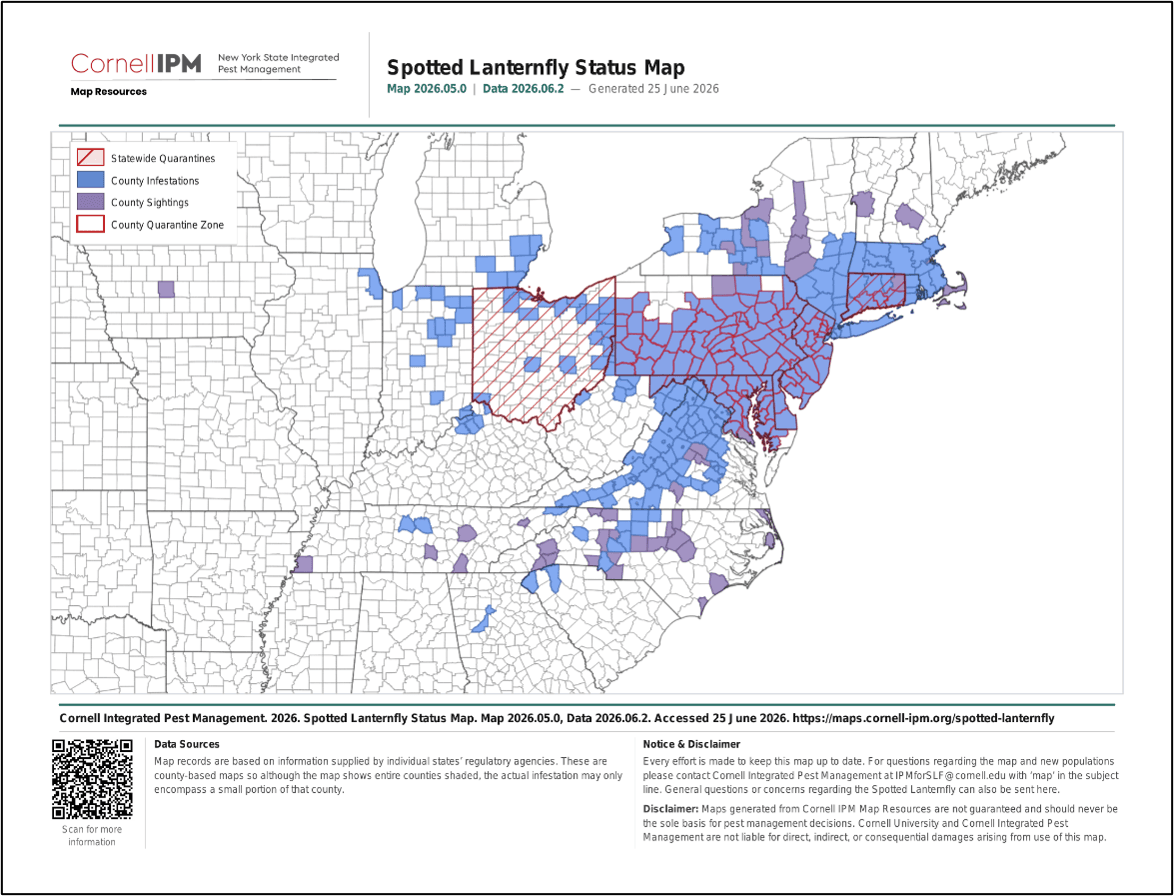
North Carolina agriculture officials are urging Guilford County residents to crush spotted lanternflies on sight after the invasive insect turned up in Caldwell County and confirmed an established presence in Rockingham County this spring. In a county that mixes Greensboro neighborhoods, High Point landscaping, Gibsonville yards and Jamestown wooded lots with active farms, the pest can move quickly from a backyard nuisance to a property and crop problem.
The state’s warning is part of a longer spread. North Carolina first found spotted lanternfly near Kernersville in late July 2022, and NCDA&CS later said its Plant Industry team, the North Carolina Forest Service and USDA-APHIS-PPQ were involved in the response. On June 24, 2025, the department said it found the insect in Caldwell County, calling it the second new North Carolina county where it had been found that year. On May 21, 2025, NCDA&CS confirmed an established presence in Rockingham County.

For Guilford County growers, the concern is commercial as well as cosmetic. NC State Extension says spotted lanternfly can damage more than 70 plant species. The insect feeds by piercing stems and leaves and sucking sap, which weakens trees and crops over time. It also leaves behind honeydew that can lead to sooty mold, and large clusters can coat patios, decks, vehicles and outdoor equipment with sticky residue that adds cleanup costs for restaurants, landscapers and other outdoor businesses.
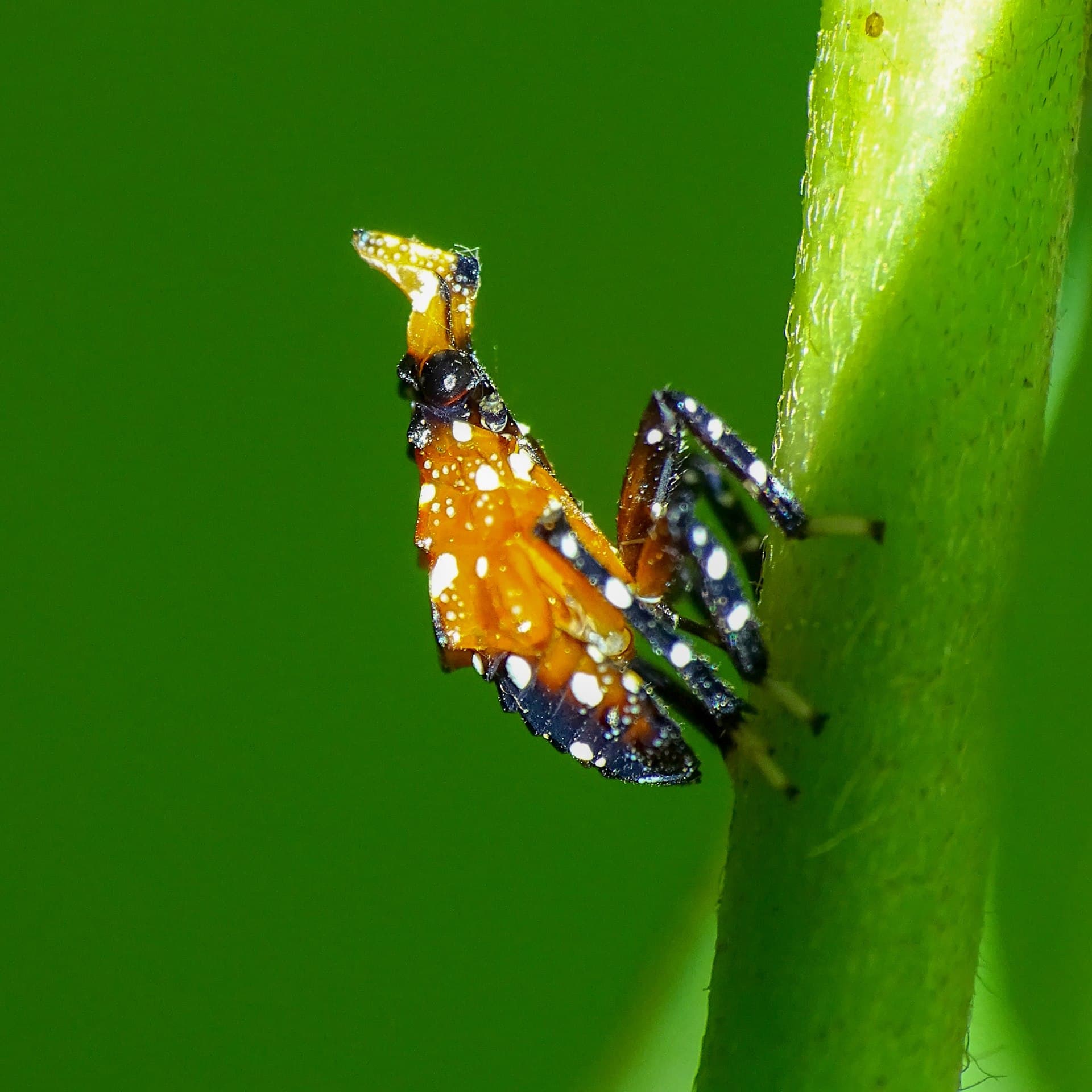
What to look for is specific. Adults have gray forewings with black spots, while young nymphs are black with white spots. Egg masses are laid in rows and covered with a gray, putty-like coating. NCDA&CS says residents should not assume someone else will handle it, especially since the insect has few natural enemies here and can hitchhike on landscaping materials, vehicles or anything moved between counties.
If you see one, squash it and report it through the state agriculture department’s spotted lanternfly reporting form rather than email. NCDA&CS says quick reporting matters because early detection is still one of the few tools North Carolina has before the pest becomes entrenched in more counties.
This article was produced by Prism’s automated news system from verified source data, official records, and press releases, then run through automated quality and moderation checks before publishing. The system is built and supervised by the people who set the standards it runs under. Read our full AI policy.
Did this article answer your question?