Residents press Greensboro leaders on Bingham Park cleanup plan
Bingham Park stayed closed as residents challenged a cleanup plan they say still leaves East Greensboro waiting for a safe park. The proposed cap has become a trust test.

Residents once again pressed Greensboro leaders on Bingham Park, where a 12-acre stretch of East Greensboro has been closed since 2024 after contaminated soil was found. The debate is no longer only about engineering. It has become a test of whether the city can restore a neighborhood park without repeating the same environmental harms that residents say have long burdened communities of color.
City documents say Bingham Park sits on a pre-regulatory landfill and household waste incinerator that took incinerated waste until 1956 before the land was converted to parkland. Greensboro has said contaminated soil there contains heavy metals and semi-volatile organic compounds. The park sits beside Eastside Park and the Willow Oaks and Cottage Grove communities, so the shutdown has removed a longtime green space from families who live nearest the site.
The city first asked the North Carolina Department of Environmental Quality for a comprehensive investigation in 2020, and field work followed in spring 2022. By Oct. 22, 2024, City Council had voted for a containment-and-cover system at Bingham Park and full remediation for the former Hampton School site nearby. City officials said the capped option would cost about $12 million, while removing all contaminated soil would cost more than $40 million.
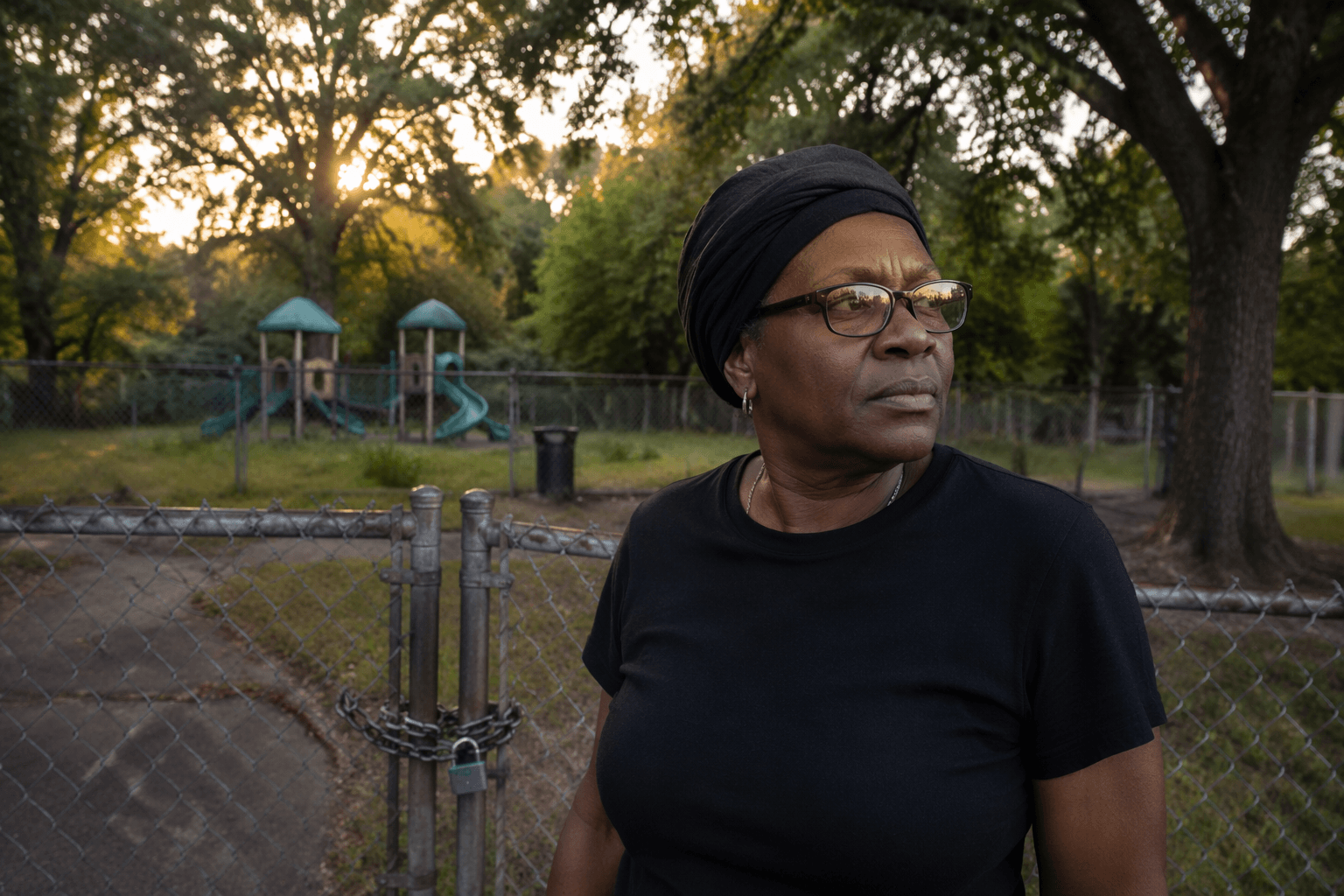
That cost gap has done little to ease public skepticism. Residents have continued to question whether covering contamination is enough to protect children, older adults and anyone who uses the park land over time. City leaders have said they worked closely with the Bingham Park Environmental Justice Team, meeting as often as twice a month, but the latest public reaction shows the process has not won full trust. For many neighbors, the issue is not only what the city plans to do, but whether it is willing to do enough.
The city says the cap would limit park amenities at Bingham Park, though a nature trail and flowering perennials were discussed there. At the Hampton site, officials have said the cleaned-up land could eventually include play equipment and other features. Under the full-remediation option, contaminated soil from both sites would be removed and taken to a permitted municipal solid waste landfill. Greensboro also received $11 million in state funding for remediation at Bingham Park and other downtown sites.

NCDEQ opened a public comment period on the proposed Bingham Park Remedial Action Plan from April 1 through May 16, 2026, and held a public hearing June 9 at Union Square Campus in Greensboro. The city says the remedial work plan remains under review, but for nearby families, the most important deadline is still the one that has not been met: reopening a safe park in East Greensboro.
This article was produced by Prism’s automated news system from verified source data, official records, and press releases, then run through automated quality and moderation checks before publishing. The system is built and supervised by the people who set the standards it runs under. Read our full AI policy.
Did this article answer your question?