UNCG Program Trains 27 Student-Faculty Teams in Collaborative Academic Writing
Twenty-seven student-faculty teams at UNCG completed a collaborative writing program to boost publication skills and mentorship, strengthening local research capacity in health and human sciences.
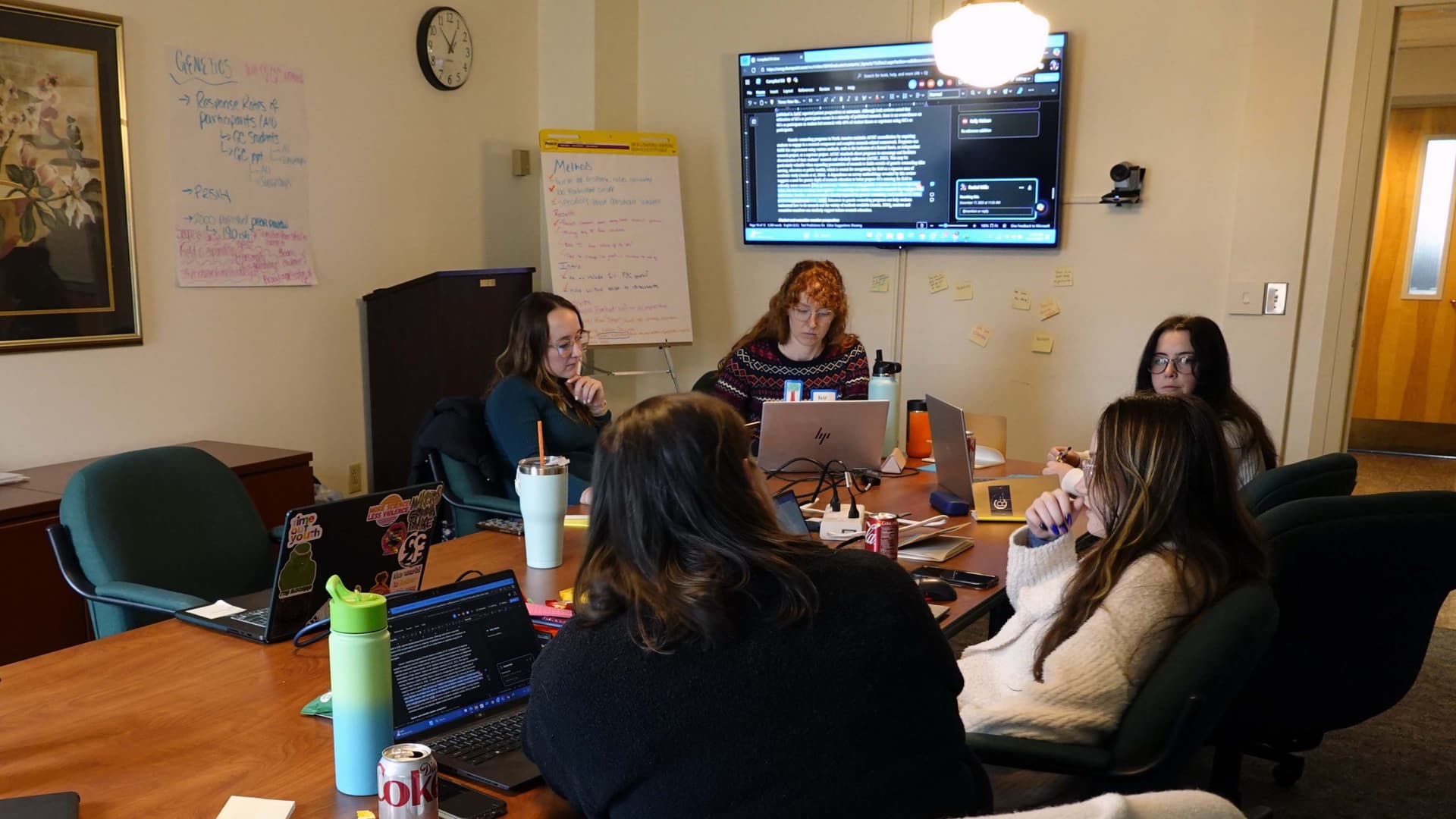
Twenty-seven student-faculty teams from the University of North Carolina at Greensboro completed a campus program that trained participants in collaborative academic writing, publication practices, research communication, and mentorship skills. The initiative, held on campus Jan. 23, 2026, paired students and faculty to co-write or co-develop scholarly outputs, with a concentration of teams drawn from the School of Health and Human Sciences.
Organizers designed the workshops to move beyond individual drafting and toward structured co-authorship, practical steps for submitting manuscripts, and clearer communication of research findings to varied audiences. Participants worked through stages of project planning, authorship roles, and strategies for translating academic work into conference presentations, journal articles, and policy-relevant briefs. Faculty facilitators and student participants reported improvements in writing efficiency, collaboration, and understanding of scholarly expectations.
For Guilford County, the program matters because it builds local research capacity in disciplines that feed directly into community health services, public programs, and workforce development. When faculty and students produce timely, peer-reviewed research, that work can support grant applications, inform county public health decisions, and attract external funding that circulates through the local economy via jobs, contracts, and facility use. Investing in mentorship and co-authorship also helps graduate students and early-career researchers become more competitive for regional and national funding opportunities, a key factor in sustaining a vibrant research environment in Greensboro.
From a policy perspective, the emphasis on collaborative outputs aligns with broader shifts in higher education metrics that increasingly recognize team-based scholarship and translational work. Training in research communication helps bridge the gap between academic findings and policy implementation, a practical asset for county agencies seeking evidence-based solutions to health challenges. Economically, stronger publication pipelines can improve the university’s visibility and bargaining position when pursuing research partnerships with healthcare systems, foundations, and government agencies.

Longer-term, routine programs that institutionalize co-writing and mentorship can shorten the time from project inception to publication and dissemination. That acceleration matters for fast-moving fields in health and human sciences where timely evidence can affect service delivery and program design. For local residents, the most immediate outcomes to watch for are increased UNCG-led presentations at regional conferences, more community-facing reports on health topics, and the potential for expanded grant activity that supports jobs and services in Guilford County.
As participants return to classrooms and labs, the next steps will be converting workshop work into submitted manuscripts and public-facing outputs. Residents can expect the university’s strengthened research cadence to yield more local studies and collaborations that inform county programs and help shape health outcomes in Greensboro.
This article was produced by Prism’s automated news system from verified source data, official records, and press releases, then run through automated quality and moderation checks before publishing. The system is built and supervised by the people who set the standards it runs under. Read our full AI policy.
Did this article answer your question?

