United Way Summit Trains Providers to Stabilize Guilford Working Families
United Way of Greater Greensboro convened about 60 front-line service providers this week for its inaugural Beyond Poverty GSO Summit, featuring an immersive poverty-simulation led by Triad Goodwill and workshops focused on ALICE (Asset Limited, Income Constrained, Employed) households. The two-day event emphasized data-driven strategies and business-nonprofit partnerships to shore up working families, with organizers set to publish follow-up actions on the event website.
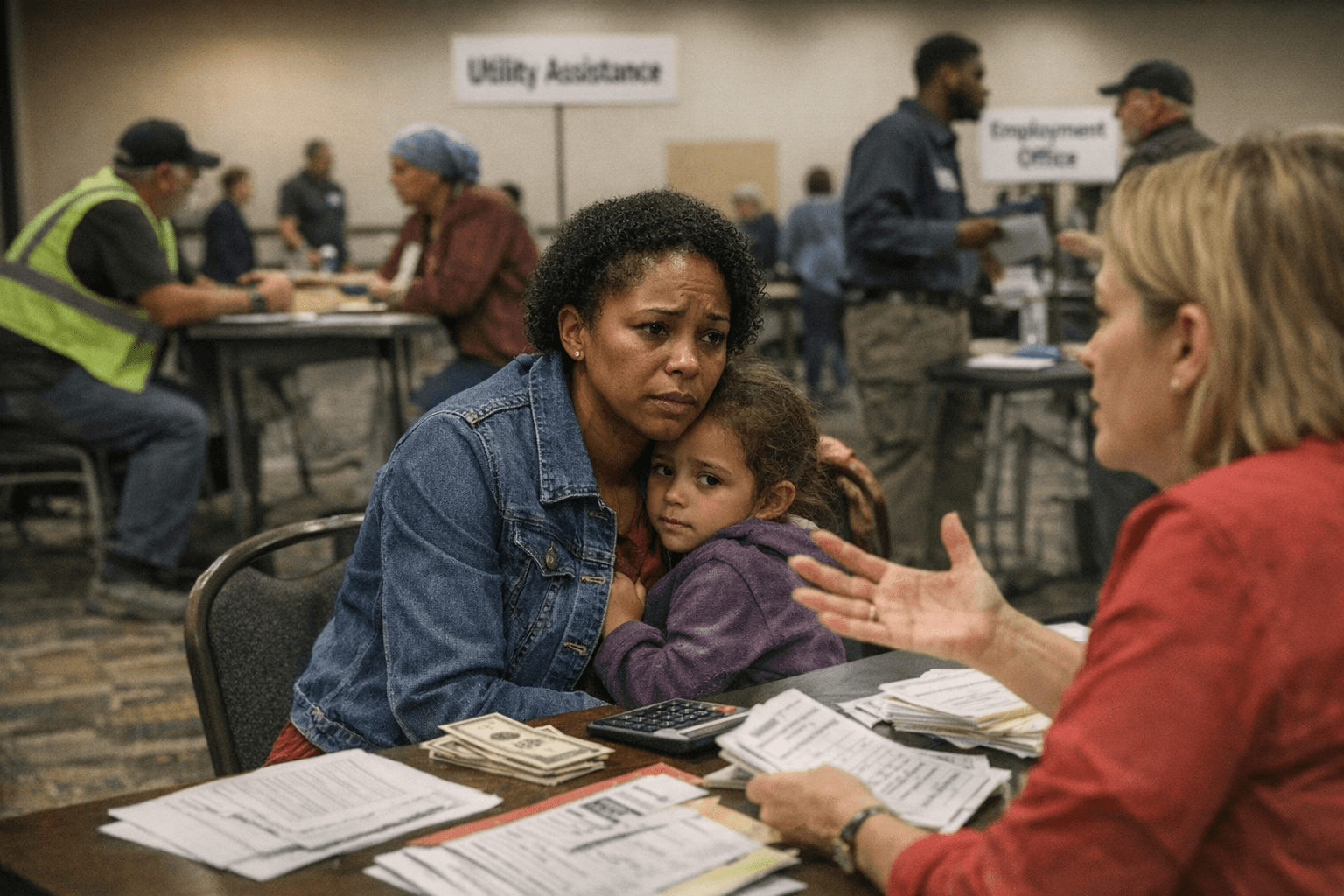
United Way of Greater Greensboro hosted the first Beyond Poverty GSO Summit this week, bringing roughly 60 front-line service providers together for intensive training and strategy sessions aimed at addressing financial instability among working households in Guilford County. The summit combined a poverty-simulation exercise led by Triad Goodwill with workshops centered on ALICE households, individuals who are employed but remain asset limited and income constrained.
Organizers structured the summit to move beyond sympathy toward operational insights that can change service delivery. The poverty-simulation exercise put providers in the position of navigating the trade-offs typical of low- and moderate-income households, illustrating how limited cash flow, unpredictable expenses and constrained assets affect decision-making. Workshops then examined the ALICE framework as a way to identify households that fall outside traditional measures of poverty but still face chronic financial fragility.
On the second day, the CEO of United Way of Northern New Jersey presented a data-driven approach that emphasized partnering with local businesses to stabilize working families. That presentation underlined a shift in strategy among United Ways toward using empirical evidence and employer collaboration to design interventions aiming to improve job retention, predictable scheduling, and access to benefits, measures that can reduce client turnover and reliance on emergency services.
For Guilford County, the immediate impact is twofold: front-line providers leave better equipped to tailor intake, referrals and case management to real-life constraints faced by ALICE households, and local nonprofits gain a framework for engaging employers as partners in household stabilization. From a market perspective, improved household stability can reduce churn in the local labor force and lower the indirect costs employers face from care disruptions and turnover. For municipal and county policymakers, the summit highlights opportunities to align workforce development, affordable housing, and transportation planning with the concrete needs of working families.
The summit organizers said they will post follow-up actions on the event website, signaling a commitment to accountability and continued collaboration. Those follow-up items are likely to include recommended next steps for coordination between nonprofits and businesses, data collection priorities to measure outcomes, and potential pilot programs to test targeted interventions.
Longer term, the initiative reflects a broader trend in social service delivery toward measurement-driven partnerships that seek to stabilize incomes and preserve workforce participation rather than solely address acute crises. For Guilford County residents, the immediate question is whether these strategies translate into tangible improvements in job stability, reduced emergency service demand, and better alignment of employers and social supports, outcomes the community will watch as summit follow-ups are released.
Know something we missed? Have a correction or additional information?
Submit a Tip