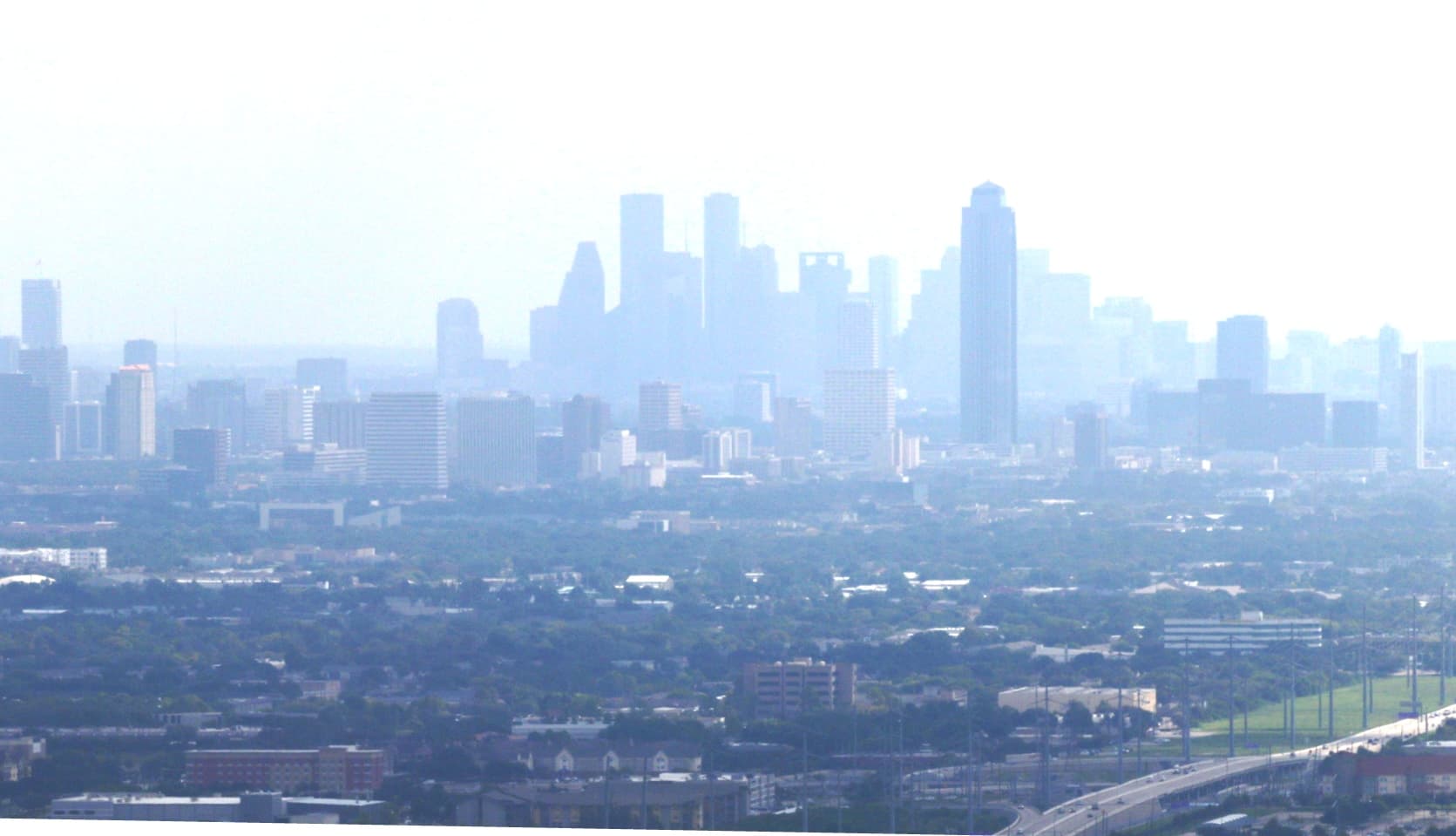
Community sensors detect pollution spike after southeast Houston tire fire
Community monitors found elevated PM2.5 in Denver Harbor and Kashmere Gardens after the Mammoth Metal Recycling tire fire, while officials said readings stayed below concern.
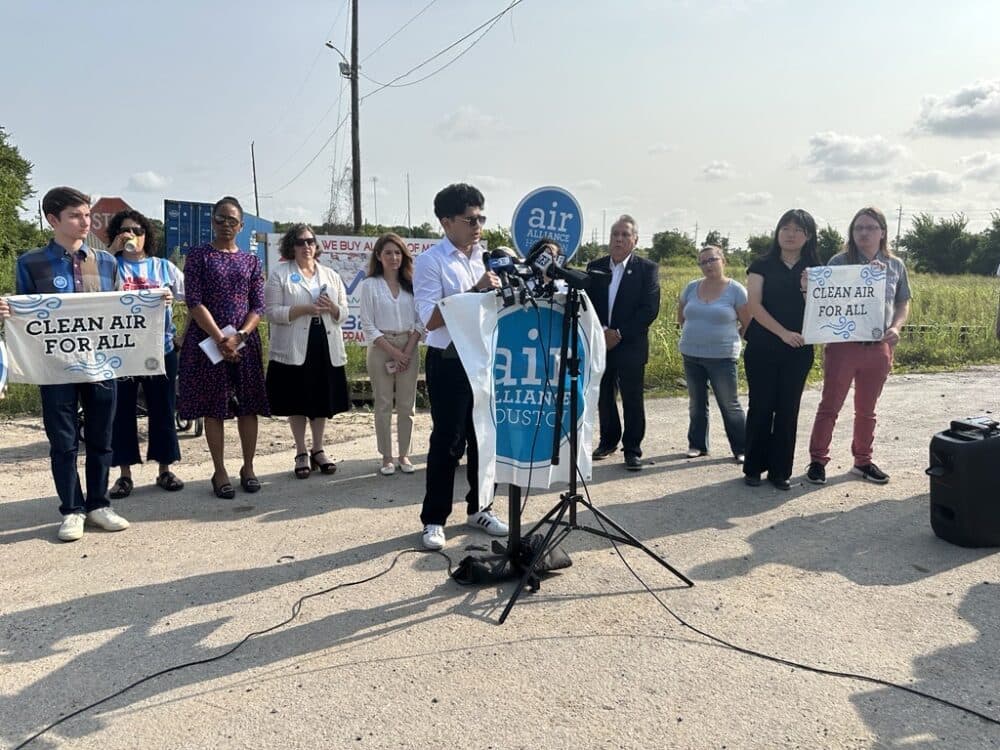
Air Alliance Houston’s community monitors picked up elevated PM2.5 downwind of the Mammoth Metal Recycling tire fire in southeast Houston, including in Denver Harbor and Kashmere Gardens, even as Houston Health Department readings stayed below the National Ambient Air Quality Standard level of concern Monday night. That split left residents with smoke in the air, advice to stay inside and an official message that short-term readings were not yet alarming.
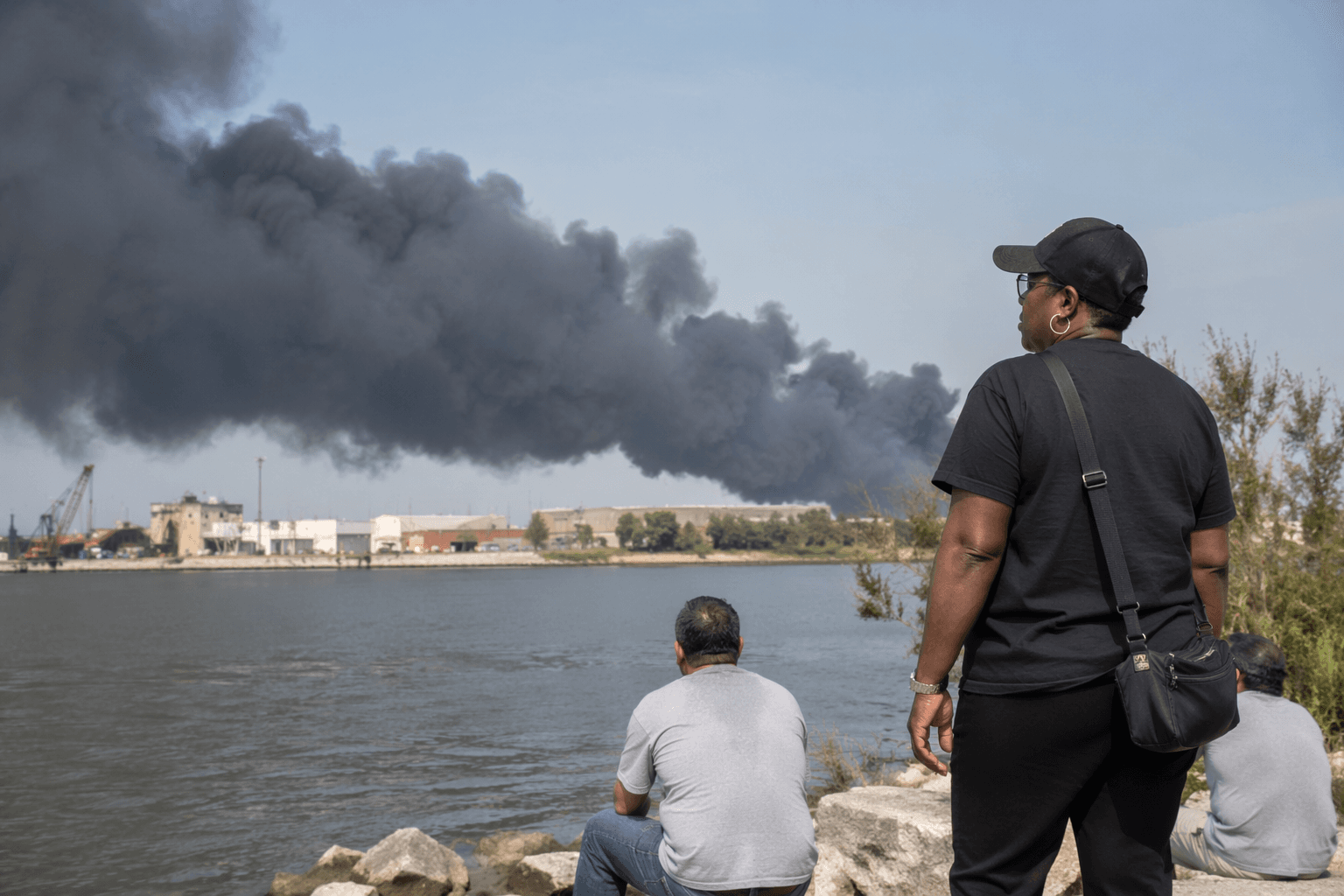
The fire broke out around 2:49 p.m. Monday, June 22, near Kellogg and Lawndale streets, where a large pile of tires, trash and debris ignited. Houston Fire Department Chief Thomas Munoz said the smoke cloud was about the size of a football field, and the blaze kept burning into Tuesday, June 23, visible for miles across Houston. About 100 firefighters were rotated through the scene, with cooling buses, rehabilitation trucks and on-site medical support helping crews work through the heat; about 200 firefighters were on scene at one point.
For neighbors, the smoke was immediate and personal. Blanca Garza said she and her son were stuck in a closed-up home in 90-degree weather and had headaches while trying to protect themselves from smoke exposure. Health advocates told people near the fire to close windows, run air purifiers and keep air conditioning on, a difficult ask in late June heat for homes in the East End and nearby neighborhoods already pressed by industrial activity.
On June 22, Air Alliance projected the fire could burn for days and could release particulate matter, black carbon, lead and mercury depending on wind conditions and the materials burning. In a June 25 news conference, Air Alliance environmental epidemiologist Dr. Inyang Uwak said the fire had burned for 24 hours and that the amount of pollution released and the types of pollutants involved remained unclear. Anthony D’Souza, who manages the group’s community monitoring program, said the sensors recorded elevated PM2.5 downwind of the fire.
Munoz told residents there was no immediate danger and that crews would stay on site as long as needed to keep the area safe, while Dr. Theresa Tran said the readings remained below the action threshold and did not show a serious air-quality concern at the time.

State records show the company has operated at the Kellogg site since 2023, and a Houston Fire Department source said it had been cited twice in the month before the blaze for illegal burning. City records show Houston sued the company for more than $70,000 in unpaid taxes and won a default judgment, while federal court records show the owner in a $53 million PPP fraud case and a 2024 guilty plea to conspiracy to commit bank fraud.
This article was produced by Prism’s automated news system from verified source data, official records, and press releases, then run through automated quality and moderation checks before publishing. The system is built and supervised by the people who set the standards it runs under. Read our full AI policy.
Did this article answer your question?