Saharan dust to haze Houston skies, worsen air quality through Tuesday
Saharan dust was set to darken Houston skies late Sunday, with air quality slipping enough to bother asthma, allergies and outdoor plans.
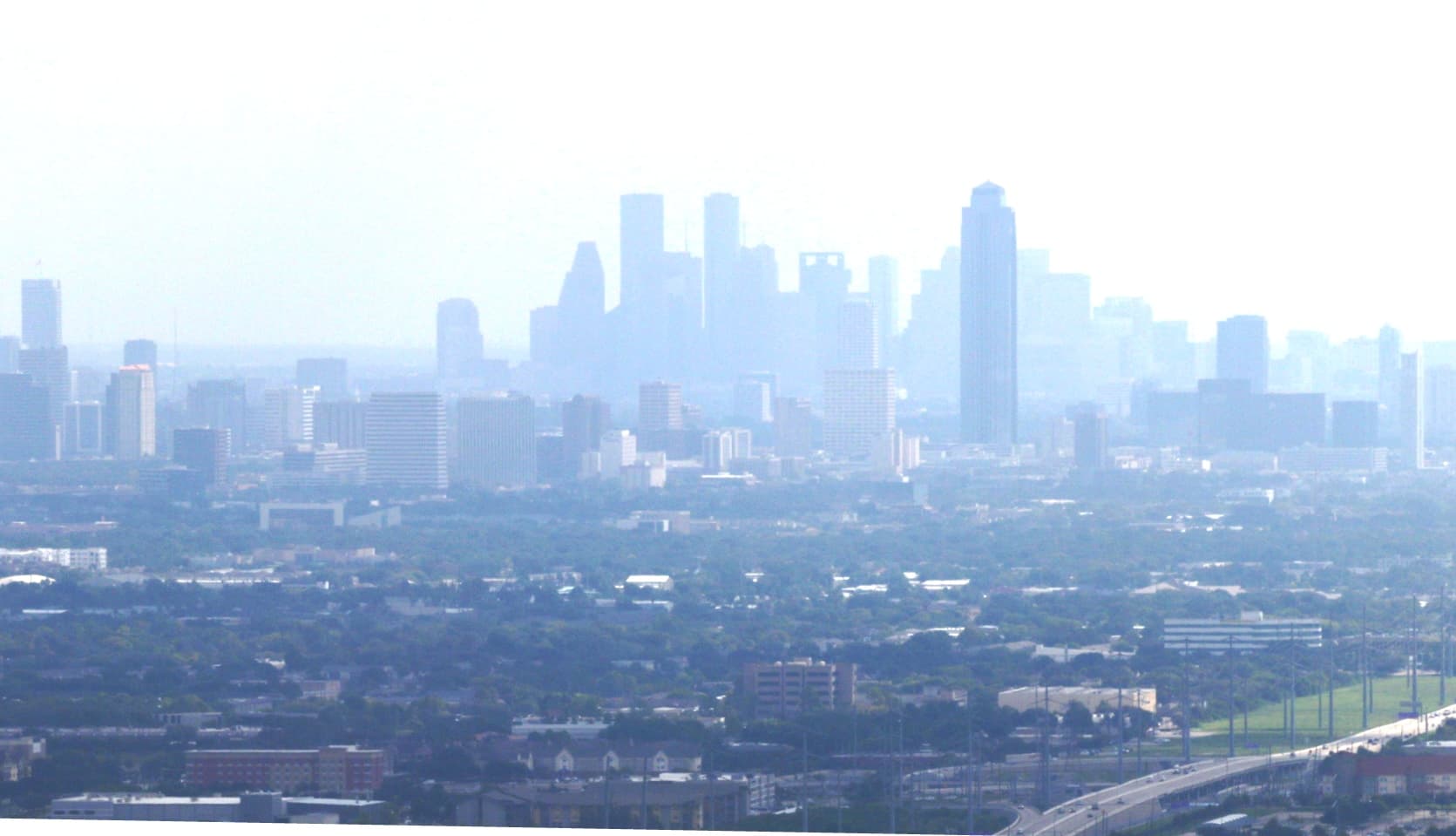
A plume of Saharan dust was expected to reach the Houston area late Sunday or early Monday, turning skies hazy and making the air harder on people with asthma, allergies and other breathing problems. The National Weather Service office in Houston and Galveston said the dust could linger through Tuesday and briefly reduce visibility across southeast Texas.
Meteorologist Melody Geiger said the dust was part of a much larger synoptic pattern stretching across a broad area, not a one-neighborhood weather glitch. That scale mattered for Harris County because the haze could reach much of southeast Texas, leave drivers looking at a washed-out or milky sky, and still produce the vivid sunrises and sunsets that often come with Saharan dust aloft.

The bigger question for families, coaches and outdoor crews was how far the air quality dropped. AirNow says the U.S. Air Quality Index runs from 0 to 500, and particle pollution in the 101 to 150 range is unhealthy for sensitive groups. EPA guidance says people with heart or lung disease, older adults and children should cut back on prolonged or heavy exertion at that level, and once particle pollution rises above 150, the general population is also at risk.
For Harris County, that meant paying attention if asthma flared, allergies worsened or breathing felt tight during the haze peak. The CDC says particle pollution can irritate the eyes, nose and throat and cause coughing, chest tightness and shortness of breath, especially for people with asthma, children and older adults. That makes a Saharan dust plume more than a sky spectacle in Houston, because a mass of fine particles crossing the Atlantic can become a local air-quality problem within days, right alongside the county’s usual heat, ozone, wildfire smoke and industrial pollution.
This article was produced by Prism’s automated news system from verified source data, official records, and press releases, then run through automated quality and moderation checks before publishing. The system is built and supervised by the people who set the standards it runs under. Read our full AI policy.
Did this article answer your question?