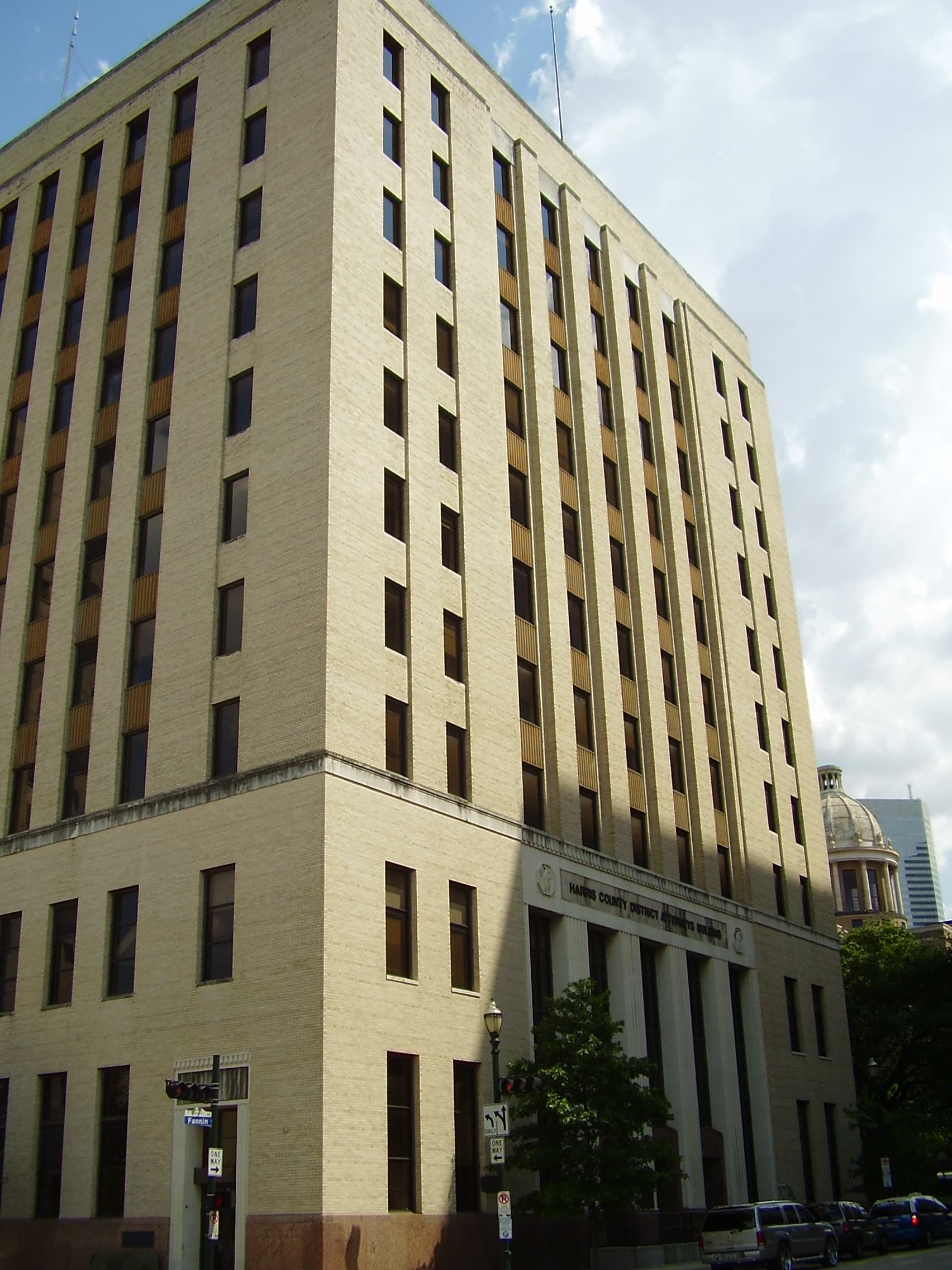
Harris County DA pauses some THC vape cases over lab limits
Harris County prosecutors will not file some THC vape cases when labs can’t tell hemp from marijuana or synthetic oil. The change could affect stops, school seizures and pending possession cases.
A vape pen pulled from a car, a backpack or a school hallway can still test positive for THC and yet be too uncertain to charge in Harris County.
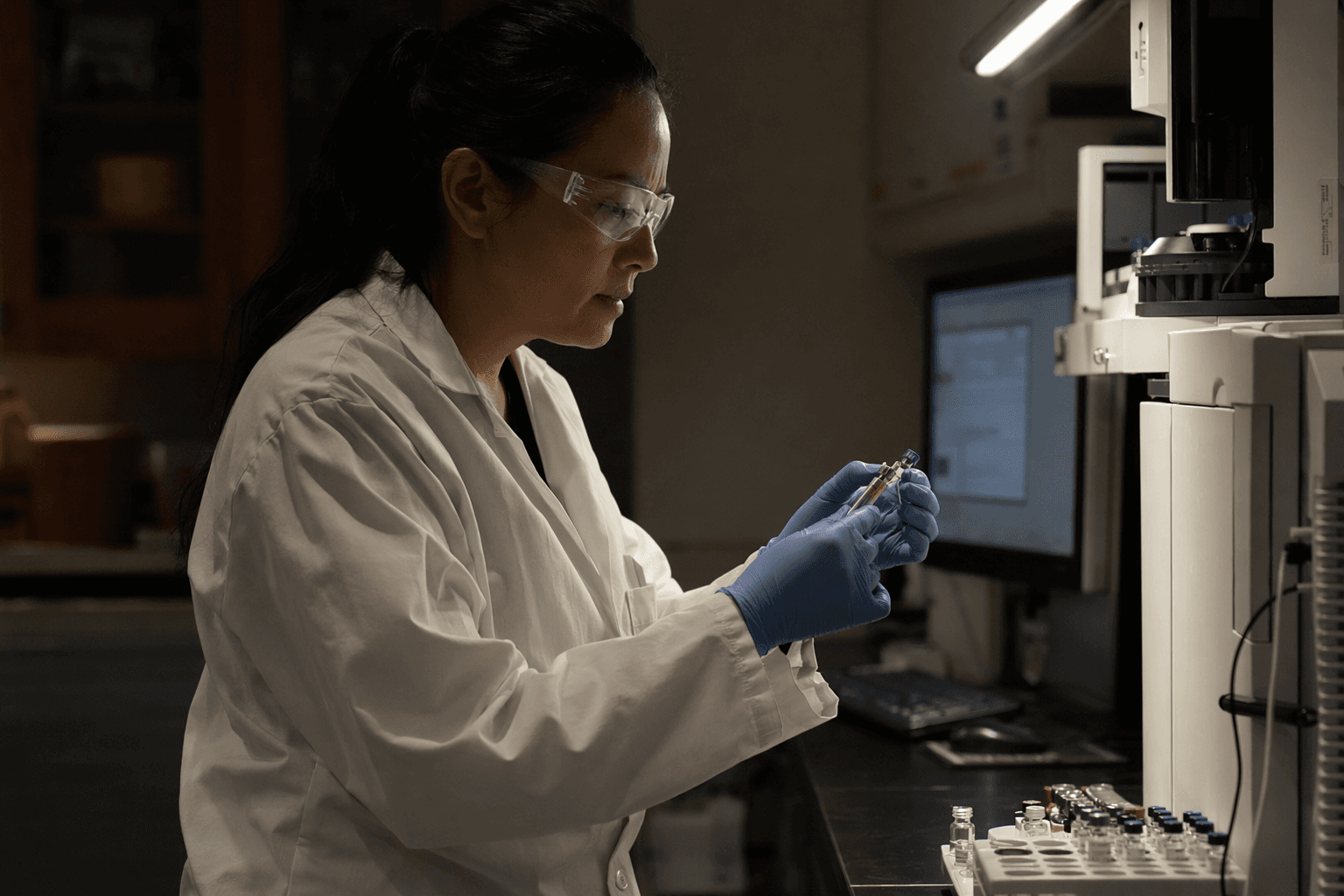
Sean Teare’s office has told local law-enforcement agencies it will not accept some THC vape cases because current lab testing cannot reliably identify what is inside the oil when the concentration falls into a narrow legal gray area. The county’s labs can detect THC, but they cannot always say whether it came from marijuana, hemp or a synthetic source. In those cases, prosecutors said, the evidence is not strong enough to move forward.
The problem comes from Texas law itself. State statute defines hemp as cannabis and its derivatives with no more than 0.3% delta-9 THC on a dry-weight basis, while the Health and Safety Code excludes hemp and hemp-derived tetrahydrocannabinols from the controlled-substance definition. Teare’s office said that standard works poorly for vape pens, where the oil is liquid rather than dry weight, leaving a testing gap that affects how possession cases can be charged in county court.
The office is not opening the door to every vape-related case. It still expects charges to be pursued when vape pens are seized from retail products marketed as containing THC. But for possession cases where the laboratory proof cannot pin down the source of the oil, the office is drawing a line. That distinction matters for patrol officers deciding whether a stop leads to a citation, a seizure or a criminal filing, and for pending cases already working their way through the system.
The guidance also reflects a practical concern inside evidence rooms. Vape pens contain lithium batteries, which have caused fires in property rooms before. Texas Department of Public Safety issued a July 2, 2025 notification requiring lithium battery removal from all seized-drugs evidence, and Harris County officials have warned about a string of lithium-ion battery fires tied to improper disposal.
The legal backdrop is still shifting. The Texas Department of State Health Services adopted emergency rules on Oct. 2, 2025, barring sales of consumable hemp products to customers under 21 and requiring government-issued ID. Texas also enacted Senate Bill 2024 in 2025, banning the sale of hemp-derived vape products but not explicitly banning possession. Lawmakers also kept pressing the issue in 2025, when the Texas House voted 86-53 on a THC-ban amendment before Gov. Greg Abbott vetoed the proposal.
For Harris County parents, school staff and officers, the message is stark: a vape pen may raise a public-safety alarm, but it will not always rise to a prosecutable case. In a county where the labs can confirm THC but not always its legal source, Sean Teare’s guidance turns evidentiary limits into an enforcement boundary.
This article was produced by Prism’s automated news system from verified source data, official records, and press releases, then run through automated quality and moderation checks before publishing. The system is built and supervised by the people who set the standards it runs under. Read our full AI policy.
Did this article answer your question?