Harris County hazmat response follows asphalt tank rupture, worker found dead
A ruptured asphalt tank at Martin Asphalt buried a worker under about three feet of material, triggering hazmat crews and air monitoring near Galveston Road.
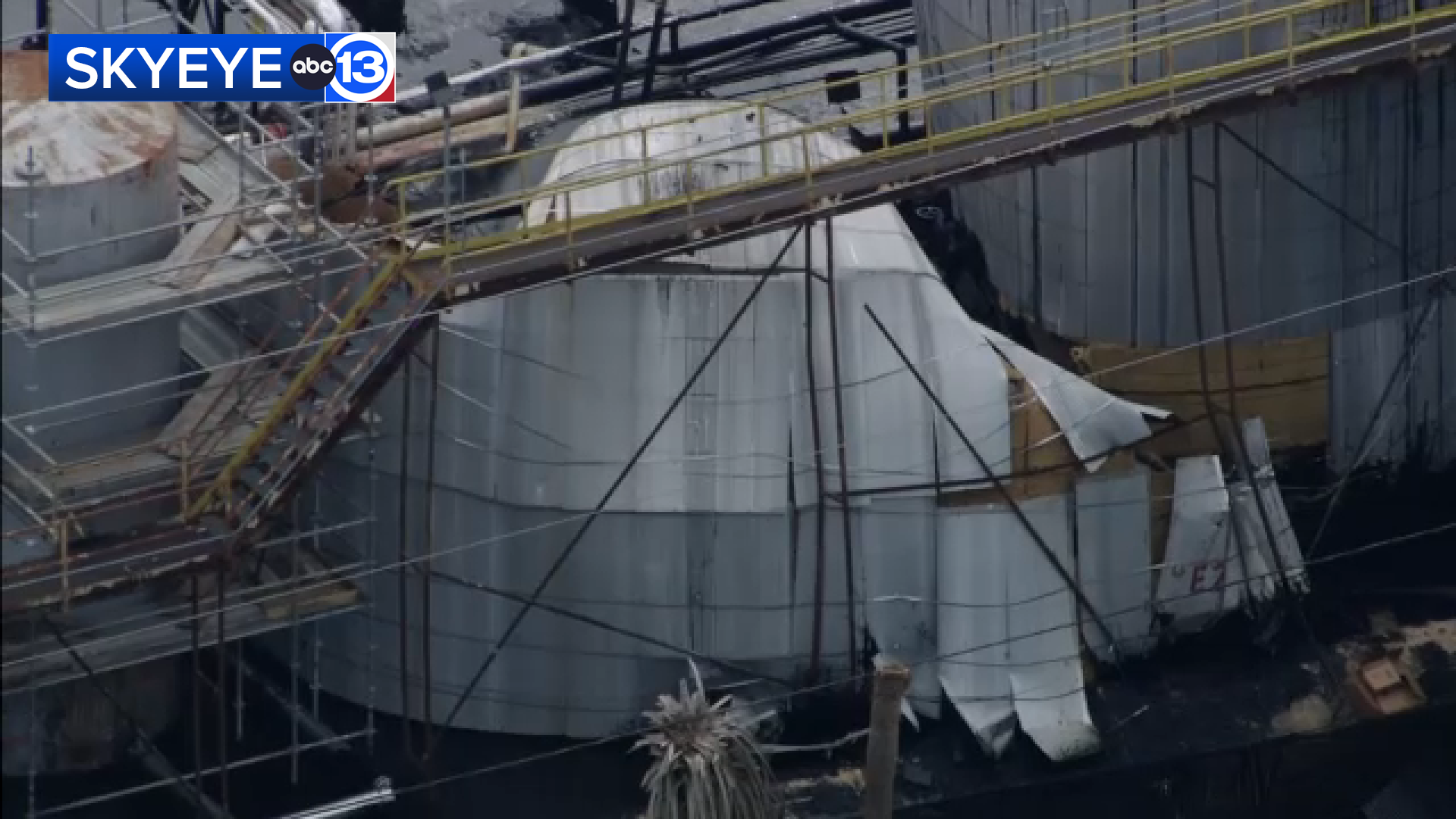
A ruptured asphalt tank at Martin Asphalt in South Houston sent hazmat crews rushing to the 300 block of Christy Place on Wednesday afternoon and left one worker dead after authorities said he was buried under roughly three feet of asphalt.
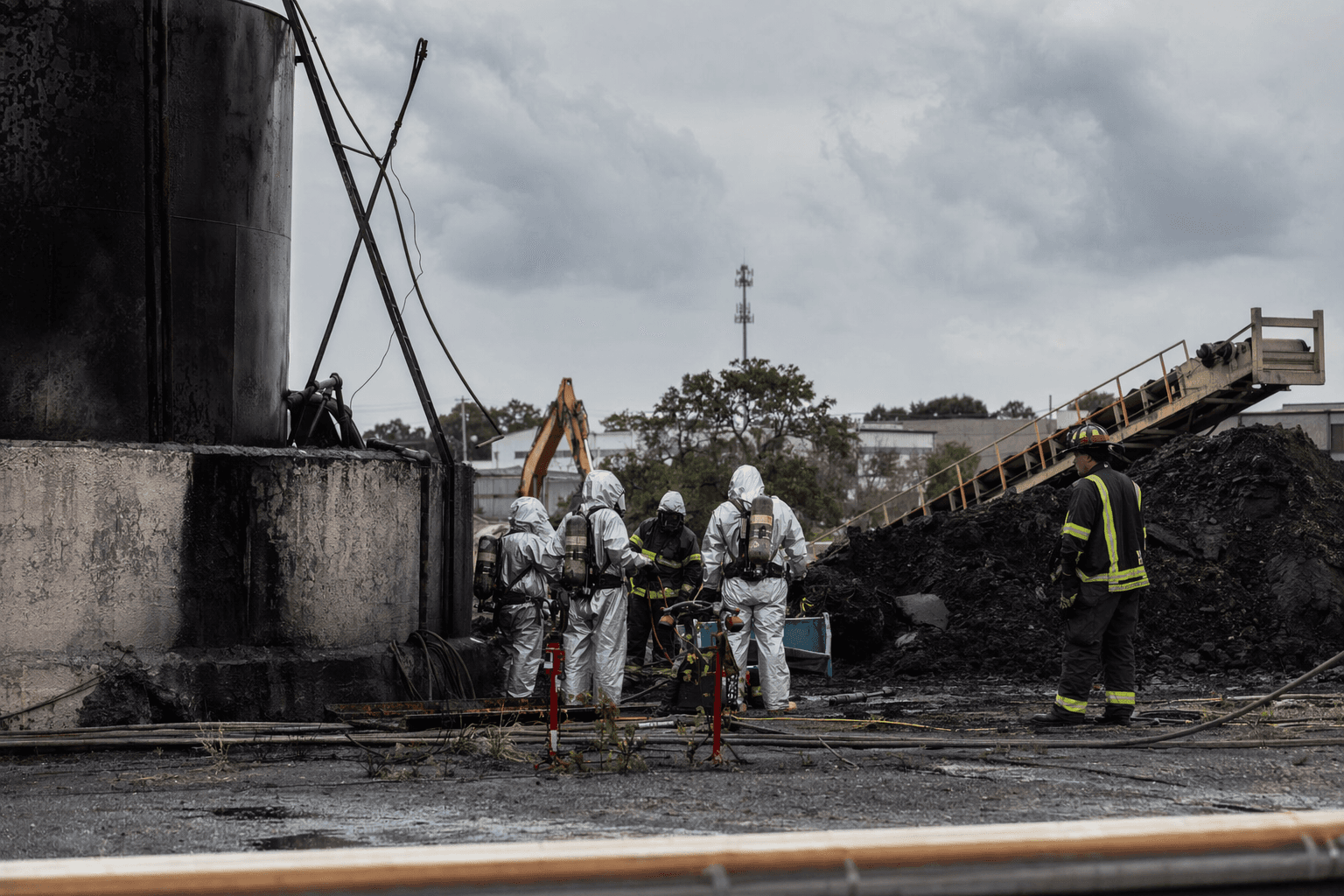
Emergency crews were first dispatched around 3:30 p.m. to the facility near Galveston Road and Spencer Highway, where officials said about 50,000 gallons of asphalt were involved. The Harris County Fire Marshal's Office initially responded to the incident as a hazmat spill, and the site remained active into the night as recovery operations continued.
City of South Houston officials said Houston Fire Department HazMat personnel assisted at the scene while air monitoring was conducted in the area. They said there was no danger to the community at that time. Cleanup efforts were expected to continue Thursday morning as crews worked through the spill and recovery.
The worker was initially reported unaccounted for before being found dead, and Martin Asphalt later confirmed the death. The company said it activated emergency response procedures immediately after the rupture and launched an internal review while cooperating with local and state authorities.

The incident drew on a broad hazmat response network that Harris County maintains for industrial emergencies. The Harris County Environmental Response Team provides 24-hour on-call coverage, including responses to fires involving hazardous materials, industrial facility releases and chemical spills. The Harris County Hazardous Materials Response Team was created after the Sept. 11, 2001 attacks, and its response vehicle cost nearly $1.2 million, a reminder of the specialized equipment needed when large industrial tanks fail.
For South Houston and the surrounding part of northeast Harris County, the rupture turned a routine Wednesday into a heavy emergency response at a working industrial site. Asphalt is not a fast-spreading toxic cloud, but a release of this size can still force air monitoring, recovery work and a prolonged shutdown of the immediate area while crews secure the site and account for the dead worker.
Know something we missed? Have a correction or additional information?
Submit a Tip