Harris County marks Maternal Health Week, highlights maternal care efforts
Harris County officials flagged a Black, non-Hispanic pregnancy-related death rate of 83.4 per 100,000 for 2016–2020 and spotlighted home-visiting programs funded with $7.75M in ARPA and a nearly $5.5M federal grant.
Harris County leaders opened a spotlight on a stark life-and-death disparity at the April 9, 2026 Commissioners Court meeting in downtown Houston, citing a Black, non-Hispanic pregnancy-related death rate of 83.4 per 100,000 live births for 2016–2020 that county materials say places the county among the highest in the nation. Commissioners and Harris County Public Health staff framed Maternal Health Week as both recognition and a renewed push to scale services for Black birthing people, whom officials said bear the heaviest burden of maternal mortality in the county.
At the Commissioners Court, a speaker warned of the scale of the problem in plain terms: "Harris County is number one for Black maternal mortality in the nation… Black infants are three times more likely to die here," language used to underline why the resolution moved beyond ceremony to program detail. The meeting, attended by County Judge Lina Hidalgo and commissioners Rodney Ellis, Adrian Garcia, Tom S. Ramsey and Lesley Briones, reviewed recent Maternal & Child Health activity and funding milestones.
Harris County Public Health’s Maternal & Child Health Program, led by Executive Director Leah Barton at the agency, was presented as the county’s primary response. The program, affiliated with the Healthy Families America model and using Growing Great Kids curricula, provides home visiting by community health coordinators and licensed social workers, prenatal and postpartum support, mental health referrals and wraparound case management, with home visits available for up to three years.
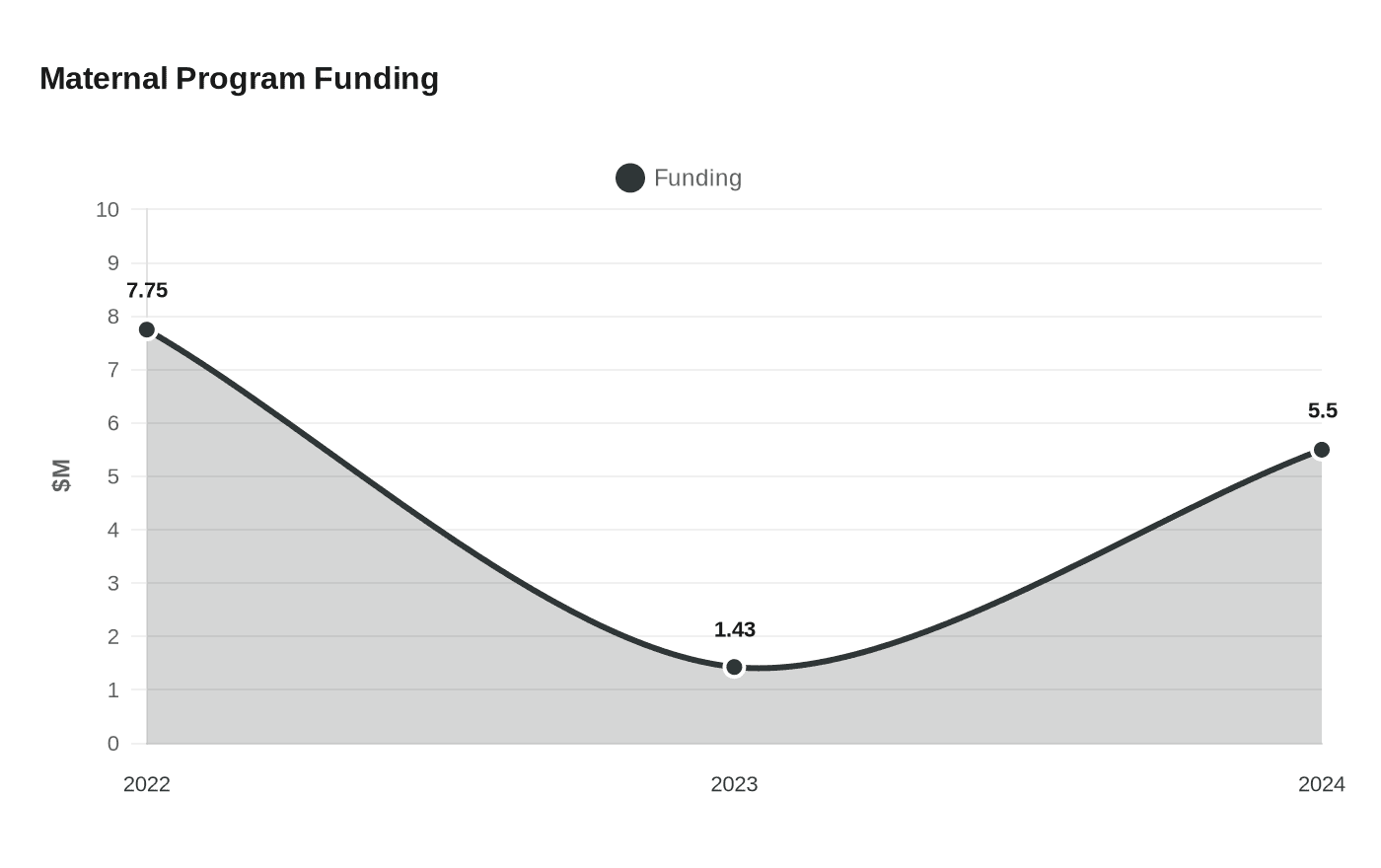
Officials recounted how the program began as an American Rescue Plan Act pilot when Commissioners Court approved about $7.75 million on July 19, 2022 to serve roughly 300 households, and later expanded with additional federal awards: targeted community-project funding highlighted in 2023 of roughly $1.43 million and a nearly $5.5 million five-year federal grant announced in spring 2024. County materials and past briefings say the initiative has worked with hundreds of families and conducted thousands of home visits, and that program metrics tracked include enrollment in coverage, number of prenatal and well-child visits, and number of home visits.
The discussion at 1001 Preston St. also touched on capacity and scale: the pilot’s original 300-household target and the program’s enrollment metrics were presented as evidence of progress, while the high county-level Black maternal death rate was offered as proof of remaining gaps. Community advocates named in county forums, including Kay Matthews of the Shades of Blue Project and March of Dimes representatives, have continued to press for deeper outreach and mobile services to reach communities with the worst outcomes.
The Commissioners Court posted the April 9 meeting video and transcript on the county’s public court video site, and county leaders framed the Maternal Health Week resolution as a commitment to sustain funding and expand home visiting, perinatal mental health referrals and coverage navigation as concrete tools to reduce the county’s maternal and infant mortality disparities.
Sources:
Know something we missed? Have a correction or additional information?
Submit a Tip