Harris County pushes early childhood care ahead of legislative cycle
Harris County leaders say 166,000 young children are eligible for subsidized care, but slots, staffing and costs still leave parents and employers stuck.
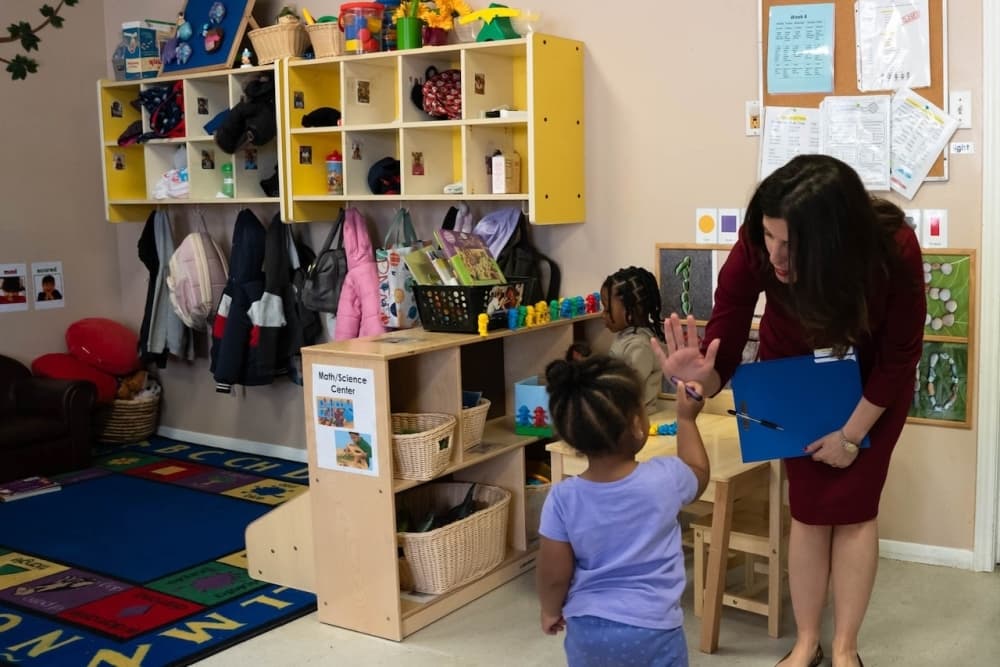
Harris County is heading into its next legislative push with a blunt economic problem at the center of the debate: too many parents cannot find or afford child care, and too many employers cannot count on a stable workforce because of it. County officials say about 166,000 children under age 5 are eligible for subsidized prekindergarten, yet the system still leaves working families facing gaps that can keep a parent off the job or force a family to pay child care costs that can rival a mortgage.
Commissioners Adrian Garcia and Lesley Briones said in an April 13 interview referenced by Community Impact that the issue reaches far beyond county borders and will require bipartisan state cooperation and a coordinated regional effort. The Harris County Coalition on Early Childhood Education and Care, launched in January, brought together public, private, academic and nonprofit partners to align local planning with longer-term policy goals. In March, the Harris County Department of Education hosted the coalition’s inaugural subcommittee meetings, pushing the work from broad ambition into a planning phase before county leaders turned to their 2027 legislative priorities on April 16.
The county’s early childhood agenda did not start this spring. Commissioners Court approved a $48 million ARPA investment for child care and early childhood development on June 14, 2022, and county materials say the Early Childhood Initiatives division was created that same year as a focus for those funds. Since then, Harris County has built out a portfolio that includes the Early REACH pilot, a program designed to add 800 to 1,000 child-care slots in or near child-care deserts and high-social-vulnerability areas, and a county child-care provider tax exemption that was reauthorized in December 2025 for 2026 and beyond.

The numbers behind the push show why county leaders are pressing Austin before the 2027 session. Texas Workforce Commission eligibility guidance for the 2024-25 contract year sets 85% of state median income for a family of four at $87,731, while federal CCDF guidance says the child care block grant generally serves families at or below that threshold. That leaves many working households in the middle, earning too much to qualify easily for help but still unable to pay for care. County and partner data show Early REACH has served 1,870 children, but staffing remains a bottleneck, with only 43% of sites fully staffed in spring 2024, improving to 55% in winter 2025, according to a University of Houston evaluation.
For Harris County, the policy choice is now practical rather than abstract: increase subsidized slots, support providers and simplify access, or leave parents patching together care and employers absorbing the disruption. County materials also point to a $10 million early childhood education incubator as a key accomplishment, but the next test is whether those investments can be turned into a larger, state-backed system before the 2027 session puts the county’s plan before lawmakers.
This article was produced by Prism’s automated news system from verified source data, official records, and press releases, then run through automated quality and moderation checks before publishing. The system is built and supervised by the people who set the standards it runs under. Read our full AI policy.
Did this article answer your question?