Houston Third Ward townhome fire, firefighter treated as investigators probe possible squatters
A Third Ward townhome under construction burned before dawn Sunday, leaving one firefighter with heat exhaustion and raising questions about squatters inside.
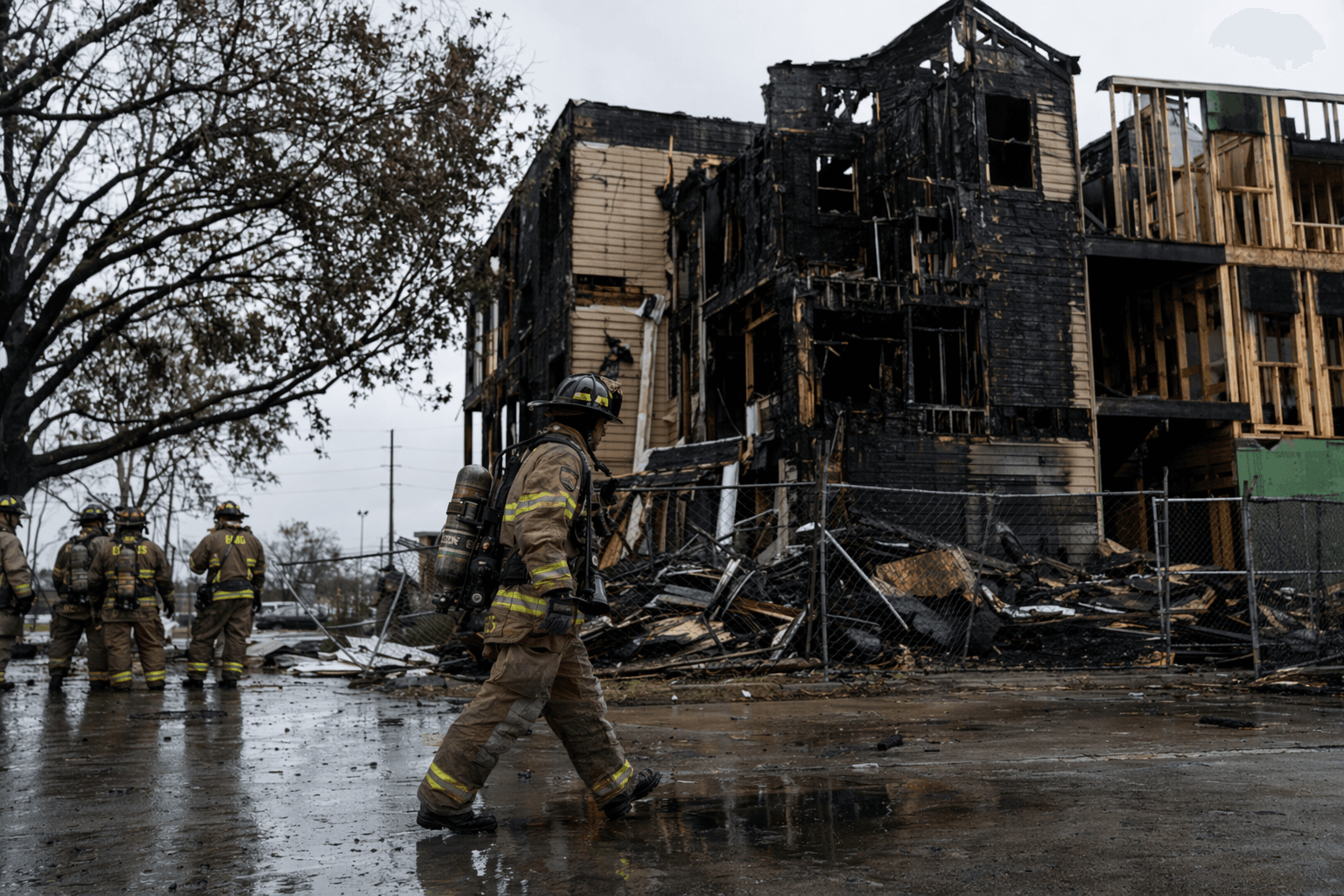
Flames swept through an under-construction townhome near McGowen Street and Scott Street in Houston’s Third Ward before sunrise Sunday, sending one firefighter for treatment and drawing investigators to an unfinished building with no windows installed. Houston Fire Department crews were called at about 6:04 a.m., and officials said the firefighter was treated for heat exhaustion and was expected to be okay. No other injuries were reported.
The fire spread through a structure that was still being built, which made the response more difficult and more urgent. Crews faced access challenges because of construction obstacles, and roadways in the area were blocked off while firefighters worked the scene. With the project sitting amid a dense mix of residences and active development, the blaze immediately raised concerns about smoke, access and whether nearby buildings could be exposed if the fire extended.
Neighbors told investigators they had seen squatters inside the townhome before the fire, adding another layer to the inquiry. As of Sunday morning, fire officials said they were still unsure whether anyone else remained inside the burned structure, so crews continued to clear the building cautiously. Investigators were also looking at the possibility that the fire started in a vacant unit, but a cause had not been confirmed.
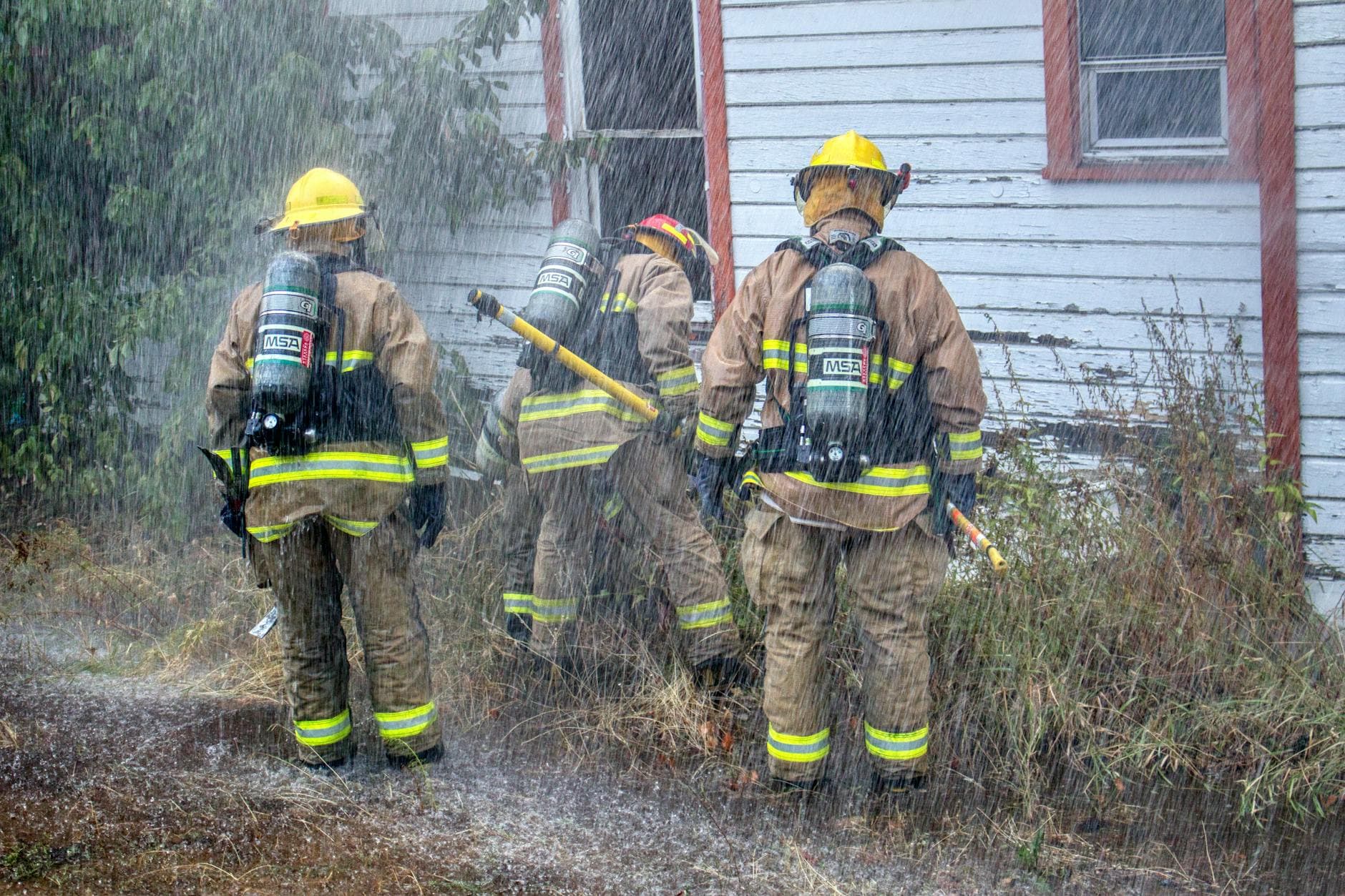
For Third Ward, the damage goes beyond one burned-out frame. The fire hit a multi-unit residential project in a part of Houston where new construction is meant to add housing, but unfinished buildings can also become targets for trespass, unsafe sheltering and fire risk. A blaze at a site like this can slow construction timelines, delay the delivery of new homes and leave nearby residents dealing with blocked streets, heavy smoke and uncertainty about whether the danger has fully passed.
This article was produced by Prism’s automated news system from verified source data, official records, and press releases, then run through automated quality and moderation checks before publishing. The system is built and supervised by the people who set the standards it runs under. Read our full AI policy.
Did this article answer your question?