Klein ISD projects $20 million surplus, eyes rising costs ahead
Klein ISD flipped a $21.1 million shortfall into a projected $20 million surplus, but leaders warned that higher bus fuel, water and staffing costs still loom.
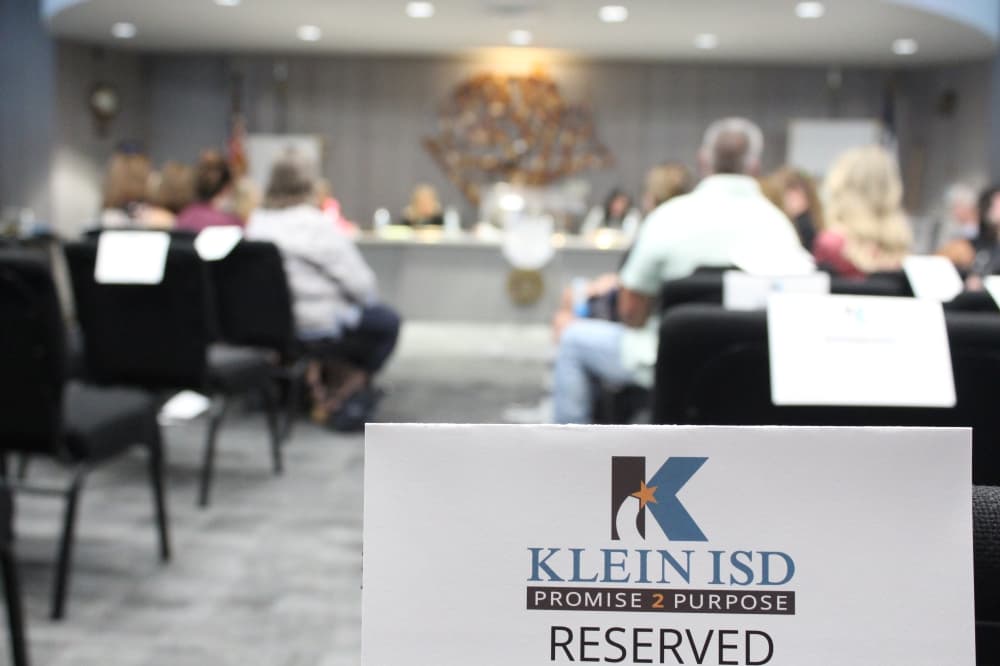
Klein ISD’s budget picture changed sharply in one school year. After opening 2025-26 with a $21.1 million general-fund shortfall, the district projected a $20 million surplus at its April 20 budget workshop, a turnaround that would lift the fund balance to $255.9 million if trustees adopt the plan in June.
Chief Financial Officer Daniel Schaefer said the district intends to use the surplus to cover about $20 million in expected expenses next fiscal year, a move that would effectively balance the budget across a two-year cycle. For parents and homeowners, that means the headline surplus is less a windfall than a buffer, one that could help Klein absorb future cost spikes without immediate cuts.

The shift comes as many Harris County districts continue to wrestle with inflation, attendance losses and rising operating costs. Klein’s own projections still include about $900,000 more in bus fuel expenses, $266,000 in Career and Technical Education certification funding from the state, higher water bills and the revenue drag created by attendance that remains below pre-COVID levels. Schaefer said each one-point gain in student enrollment brings in about $3.75 million, making retention and growth central to the district’s finances.
That is why the surplus matters to classrooms as much as to balance sheets. Klein ISD has 51,236 students across 50 campuses, according to Texas Tribune Schools Explorer data, and 55.3% of students are economically disadvantaged. The district’s 2025 legislative alert also said House Bill 2’s proposed $395 per-student allotment increase would have allowed meaningful raises for employees, a reminder that state policy still shapes whether Klein can improve pay, protect programs or simply keep pace with costs.
The district’s improved outlook also reflects a broader shift in state aid tied to expanded homestead exemptions and hold-harmless funding meant to cushion property-tax losses. That helps explain how Klein moved from a projected deficit to a surplus within the same budget year, even as its spending pressures remain.
Trustees, who met April 13 in their regular monthly meeting, are expected to keep watching those pressures as they prepare the next budget cycle. Klein’s 2025-26 fiscal year runs through June 30, and the district’s leaders will have to decide whether this year’s surplus eases future budget pain, strengthens staffing and student services, or settles into reserves while the next round of legislative and enrollment uncertainty takes shape.
This article was produced by Prism’s automated news system from verified source data, official records, and press releases, then run through automated quality and moderation checks before publishing. The system is built and supervised by the people who set the standards it runs under. Read our full AI policy.
Did this article answer your question?