Riverside General Hospital marks 100 years on Juneteenth in Houston
Riverside General Hospital marked 100 years on Juneteenth as Harris County prepared to return public health care to its historic Third Ward campus.
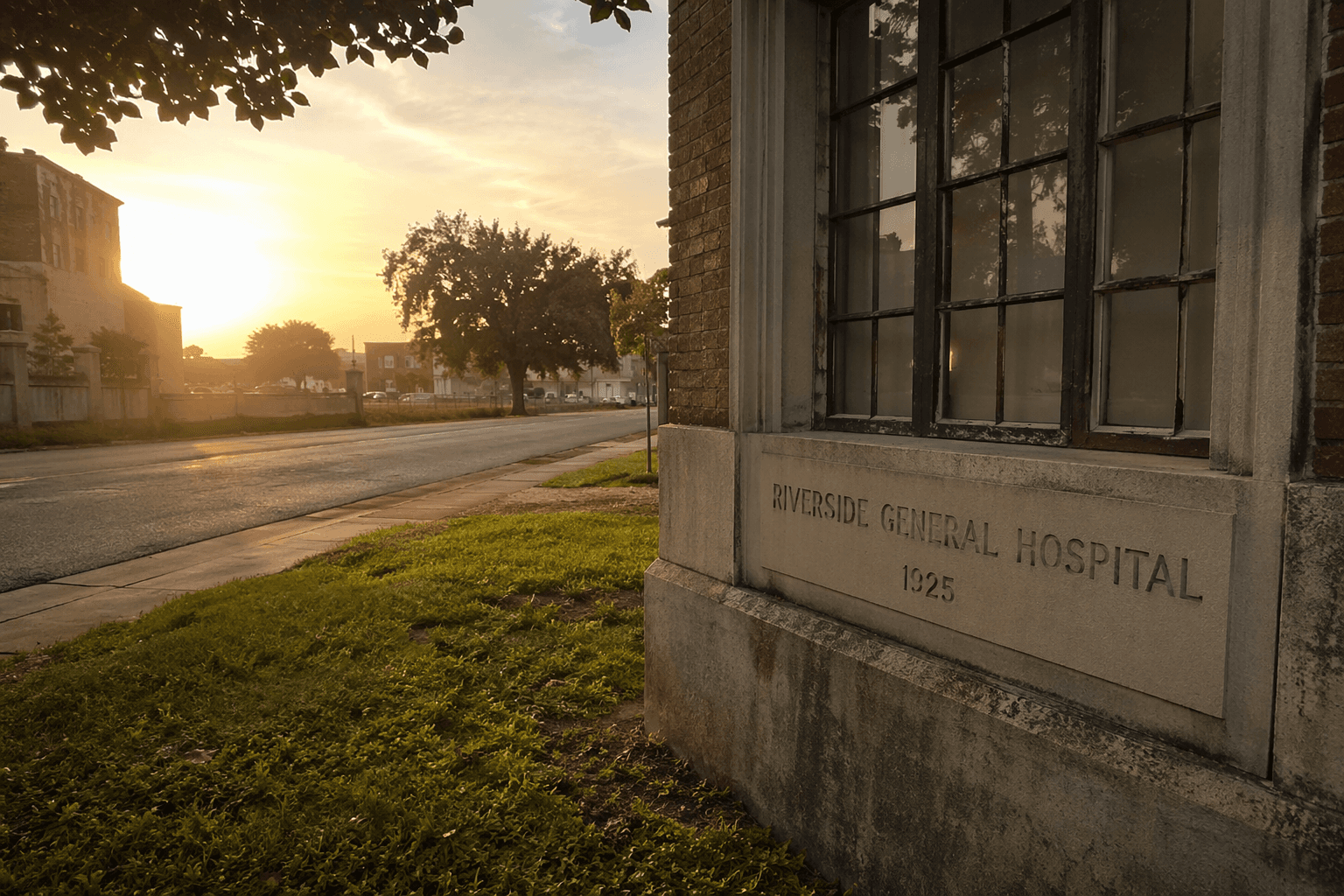
Riverside General Hospital turned 100 on Juneteenth with a milestone that reached beyond memory and into Harris County’s current health care map. The anniversary marked the century since Houston Negro Hospital first opened as a place Black Houstonians could seek care when much of the city’s medical system kept them out.
The hospital’s roots trace back to 1918, when Joseph S. Cullinan established a fund after appeals from Black doctors including R.O. Roett, Charles Jackson, B.J. Covington, Henry E. Lee and F.F. Stone. Construction began in 1925, the building was dedicated on June 19, 1926, and the hospital officially opened in July 1927. It was Houston’s first nonprofit hospital for Black patients, and in its early years every staff member was Black and only Black physicians practiced there. The campus also launched the Houston Negro Hospital School of Nursing, the first nursing training program for Black nurses in Houston.
The original hospital building at 3204 Ennis Street was designed by Maurice J. Sullivan in Mission/Spanish Revival style, and the site became a rare place where Black patients could be treated and Black physicians could build careers in a segregated city. That history gave the centennial sharper meaning on Juneteenth, a day tied to freedom and resilience in Texas Black history, and helped explain why the Riverside name still carries weight in Third Ward and across Houston.
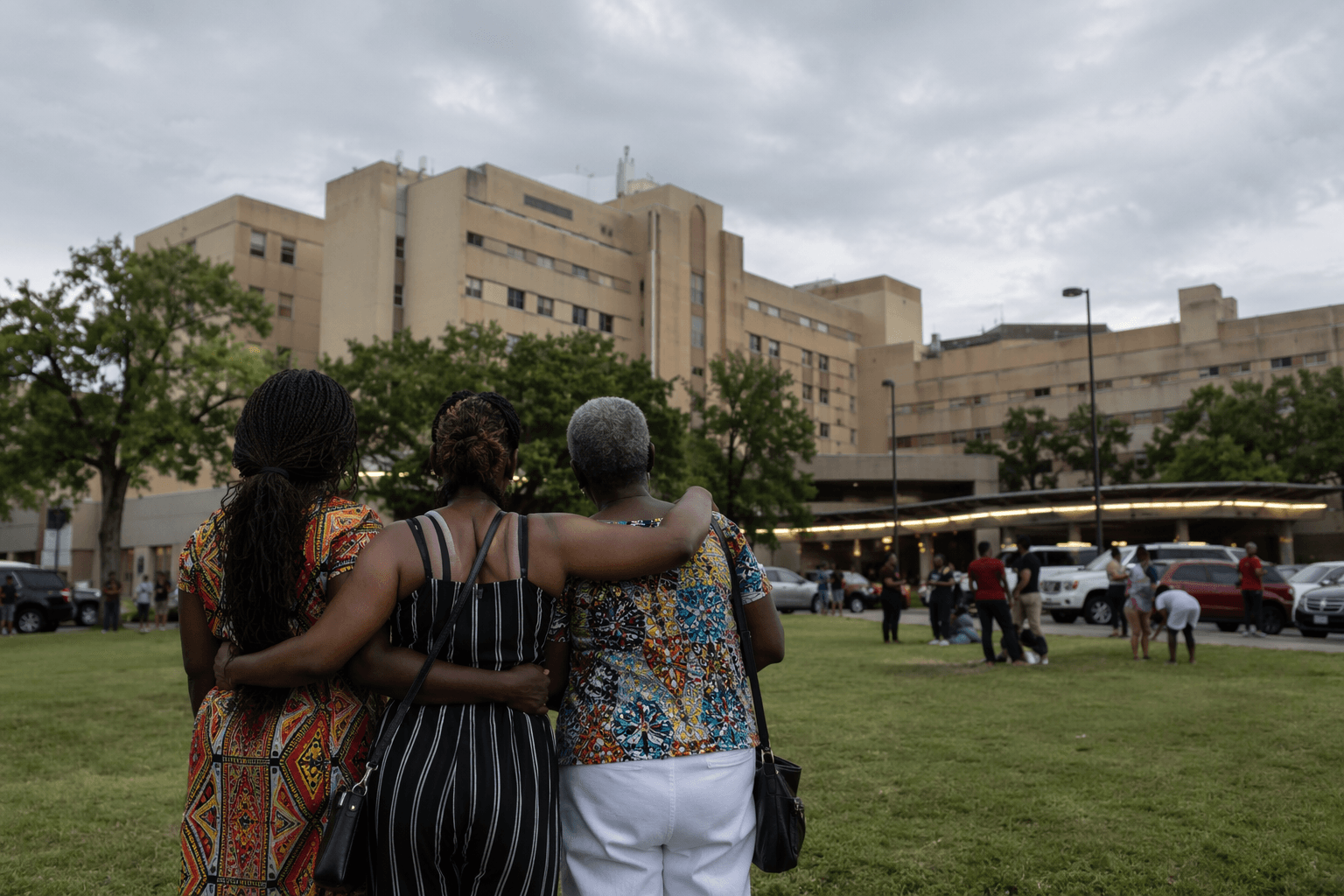
The hospital later closed in 2015 after financial and legal troubles, but the 4.3-acre campus has since become the center of a $200 million revitalization plan. Harris County Public Health is expected to move into the renovated site as its headquarters, bringing preventive medicine, reproductive health, immunizations, HIV prevention, telehealth behavioral services and dental services to the historic campus. The new center is also expected to include ACCESS Harris County wraparound support, with transportation, food, financial assistance, housing and shelter resources.
County leaders and local health officials have framed the redevelopment as more than preservation. Rodney Ellis said the hospital was created because Black doctors pressed for better care for African-American residents, while Harris County Public Health Executive Director Leah Barton said the new campus would serve as a modern hub for screenings and preventive services. Carlton Houston, the journalist and author whose family helped establish the hospital, connected that past to the institution’s enduring role: built by community effort, sustained by trust, and still central to who gets care in Houston today.
This article was produced by Prism’s automated news system from verified source data, official records, and press releases, then run through automated quality and moderation checks before publishing. The system is built and supervised by the people who set the standards it runs under. Read our full AI policy.
Did this article answer your question?