Ancient Artifacts Unearthed at Chinsegut Hill Reveal Deep Local History
Archaeologists recently uncovered artifacts at Chinsegut Hill in Brooksville that indicate continuous human use of the site from the Paleo-Indian era through Seminole occupation and 19th-century settlement. The finds and the property's layered history underscore questions about preservation, recognition of Native American heritage, and local land-use priorities for Hernando County residents.
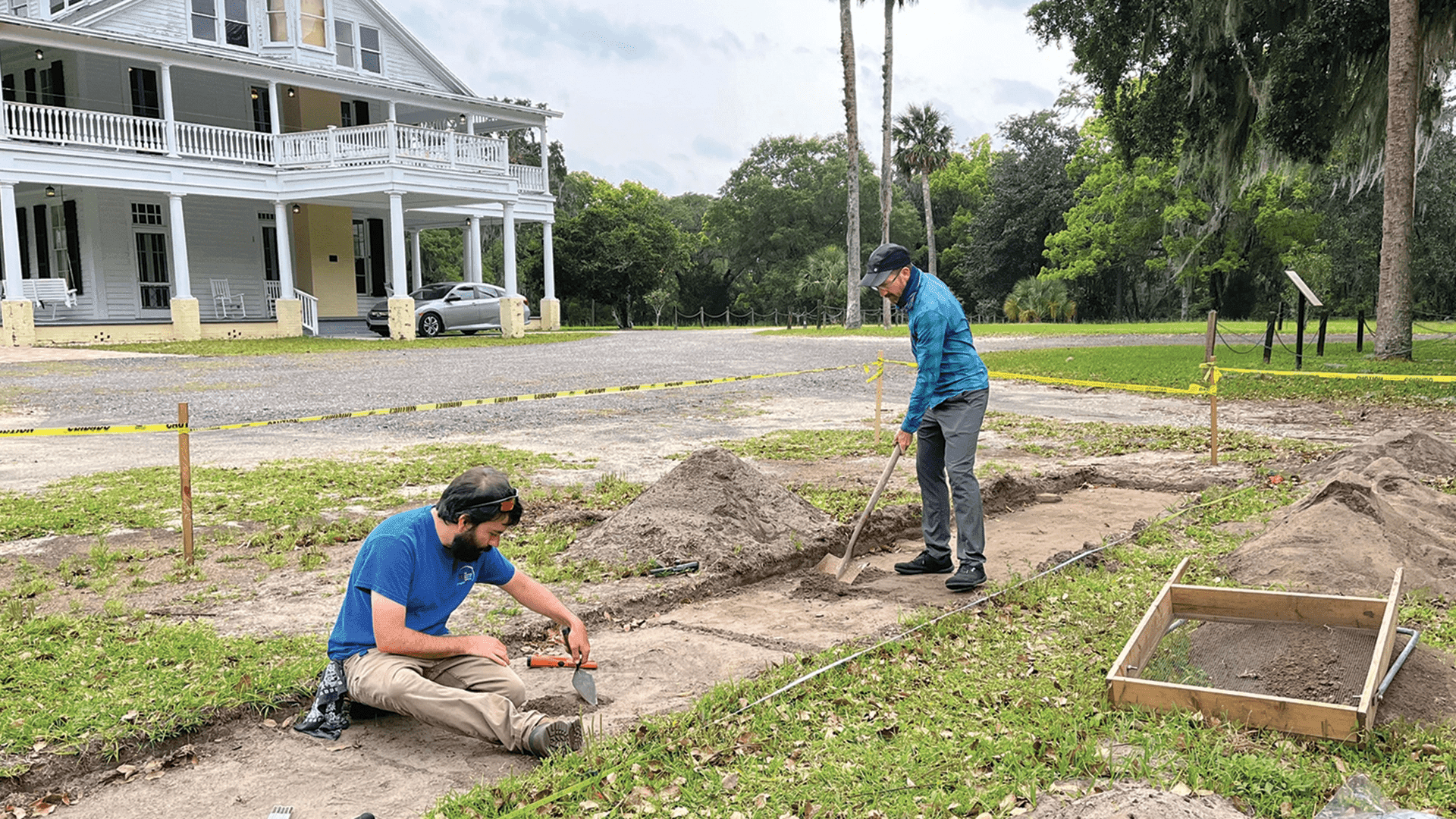
Gulf Archaeology Research Institute excavations on Chinsegut Hill produced trading beads, a peace pipe, pottery shards and tool fragments that researchers say point to human activity on the site dating back to the Paleo-Indian era. At 269 feet above sea level, Chinsegut Hill is the highest point in Hernando County and among Florida's tallest elevations, a geographic feature that helped sustain human use of the land for millennia.
Historical records associated with the property show that Native Americans continued to use the hill into the historic period. In correspondence from property owner Raymond Robins to United States Secretary of the Interior Harold Ickes, he recorded that the Seminole people called the site "Signal Hill" and described an ash and charcoal pit at the summit used for signal fires. Robins also referenced a lakeside Indian mound where he said Seminoles were buried following a nearby battle. Those details, paired with the recent artifact recovery, deepen the site's archaeological and cultural significance.
European-American settlement reshaped the property following the Armed Occupation Act of 1842, which granted 160 acres to settlers who lived on and farmed designated Florida land. Attorney and farmer Byrd Pearson claimed the Chinsegut acreage in 1843 and established what he called The Lake Lindsey Plantation, building a sugar mill near the lake and cultivating sugar cane, corn, cotton and tobacco. His daughter Floride, later Florida's 15th First Lady, recalled that they "planted an avenue of orange trees from the front steps to the front gate and another from the back of the house to the lake."
The property changed hands and uses through the 19th and 20th centuries. Elizabeth Robins purchased the estate in 1905 and, with her brother Raymond, renamed it Chinsegut, an Inuit word Raymond had learned while mining in Alaska that meant "spirit of lost things." The siblings intended the grounds as a retreat where they could work the land and enjoy Florida life. Today the hill blooms with camellias, azaleas and wild fruit trees that scent the air, a reminder of its long agricultural legacy.

For Hernando County, the findings raise immediate questions about stewardship and public policy. The archaeological evidence and recorded Seminole associations strengthen the case for protective measures, consultation with descendant communities and careful integration of the site into county planning and cultural tourism strategies. Local officials, land stewards and residents will need to weigh preservation against development pressures and consider how best to commemorate Indigenous history while managing a site that has been a working landscape for generations.
The Chinsegut discoveries connect present-day Brooksville to a deep and layered past. As Hernando County stakeholders determine next steps, the site offers both an opportunity to expand public understanding of the region's human history and a test of how local institutions balance heritage conservation with land-use priorities.
This article was produced by Prism’s automated news system from verified source data, official records, and press releases, then run through automated quality and moderation checks before publishing. The system is built and supervised by the people who set the standards it runs under. Read our full AI policy.
Did this article answer your question?