Chinsegut Hill event links Emancipation Day with FAMU Farm Fest
At Chinsegut Hill, a free Farm Fest paired Emancipation Day with FAMU outreach, tying Brooksville's plantation past to Florida's $387.4 billion farm economy.
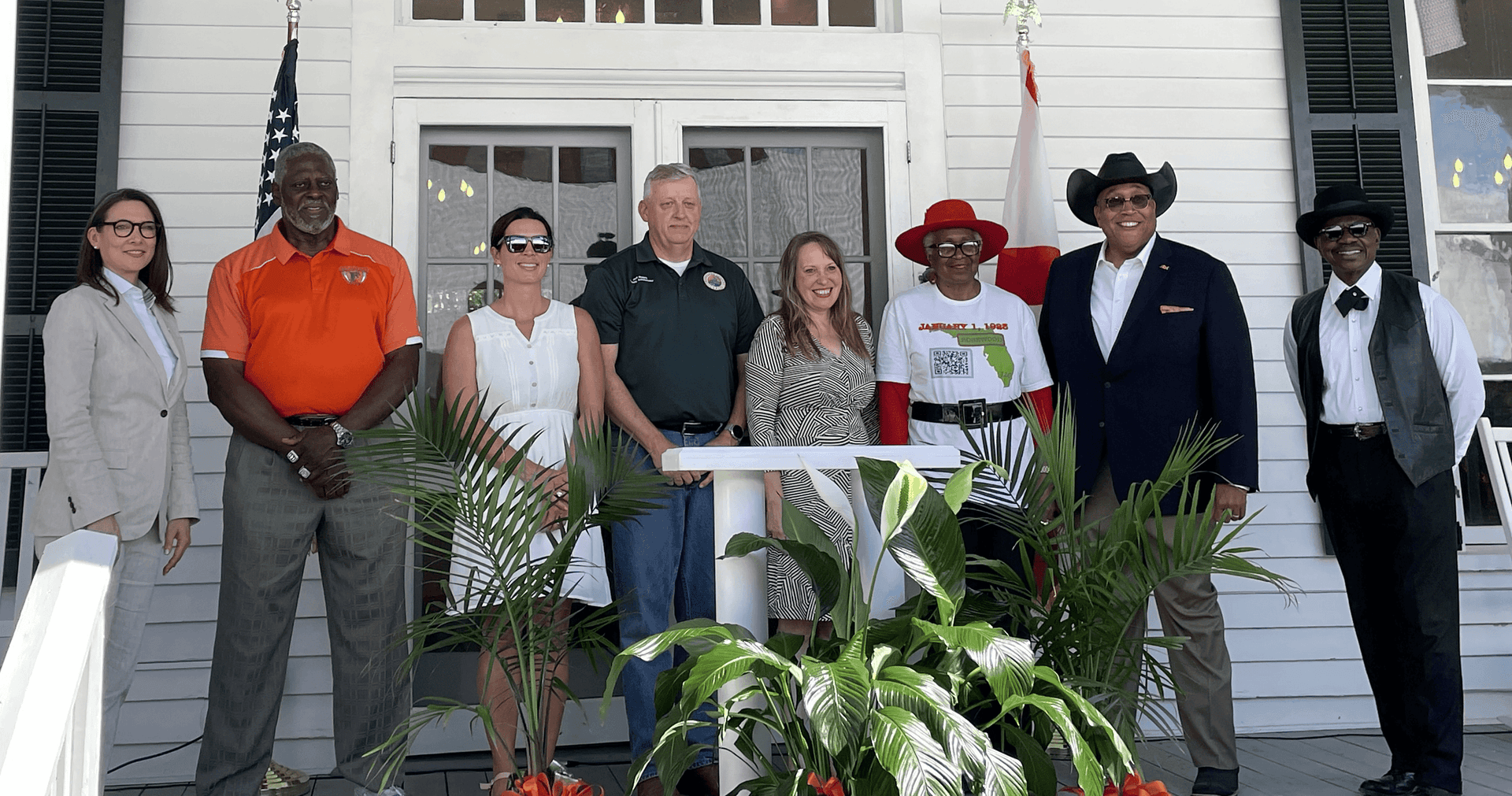
Chinsegut Hill’s highest ridge became a meeting place for memory and farming as Brooksville marked Florida Emancipation Day beside Florida A&M University’s Farm Fest. The free gathering at Chinsegut Hill Historic Site ran from 10 a.m. to 5 p.m. on Saturday, May 16, and opened with a reading of the Emancipation Proclamation followed by a processional.
The pairing carried weight well beyond ceremony. Florida’s 2024 agricultural overview lists 44,400 farms and ranches using 9.70 million acres, while University of Florida IFAS says the state’s agriculture and food system generates $387.40 billion in sales revenue and supports nearly 2.5 million jobs. Farm Fest was designed to showcase the work Florida A&M University is doing in agricultural research and innovation through its College of Agriculture and Food Sciences and the FAMU Brooksville Agricultural and Environmental Research Station, a 3,800-acre site in Hernando County.
That agricultural outreach was folded into a deeper historical observance. Florida Emancipation Day marks the day the Emancipation Proclamation was declared in Tallahassee on May 20, 1865, after Union Brigadier General Edward M. McCook arrived in the capital on May 10, 1865. The proclamation itself had been signed by Abraham Lincoln on Jan. 1, 1863, but freedom did not take hold everywhere at once because of the Civil War, poor communication and the difficulty of enforcing the order in Confederate territory. Tallahassee communities have marked May 20 annually since 1865.

Chinsegut Hill gave that history a local edge. The manor house was built in 1847 on land that once functioned as a plantation worked by enslaved people. After emancipation, many formerly enslaved people remained there to work, and the property later housed Seminole people, plantation owners, agricultural workers and a federally supported agricultural experiment station. Raymond Robins donated the property to the federal government in 1932 for agricultural study, extending the site’s farming legacy into the 20th century.
The observance drew a lineup that tied the county’s public institutions to the region’s layered past. FAMU president Marva B. Johnson, now the university’s 13th president, took part along with Tampa Bay History Center curator Fred Hearns, Hernando County Administrator Jeff Rogers and school board member Kayce Hawkins, among others who read from the Emancipation Proclamation. On ground that was once plantation land and later research land, the event linked Black history, land stewardship and agricultural opportunity in one of Hernando County’s most recognizable places.
This article was produced by Prism’s automated news system from verified source data, official records, and press releases, then run through automated quality and moderation checks before publishing. The system is built and supervised by the people who set the standards it runs under. Read our full AI policy.
Did this article answer your question?