Chinsegut wildlife area offers trails, birding and diverse habitats in Hernando County
Chinsegut protects 838 acres of sandhills, hardwoods and wetlands near Brooksville, giving Hernando County a birding and education site with real land-use value.
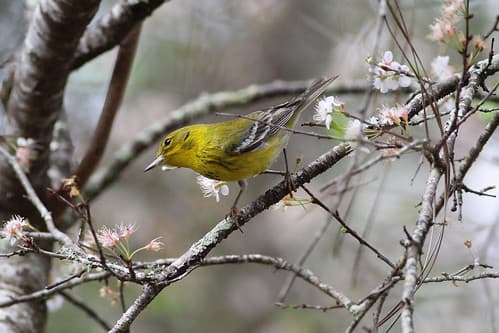
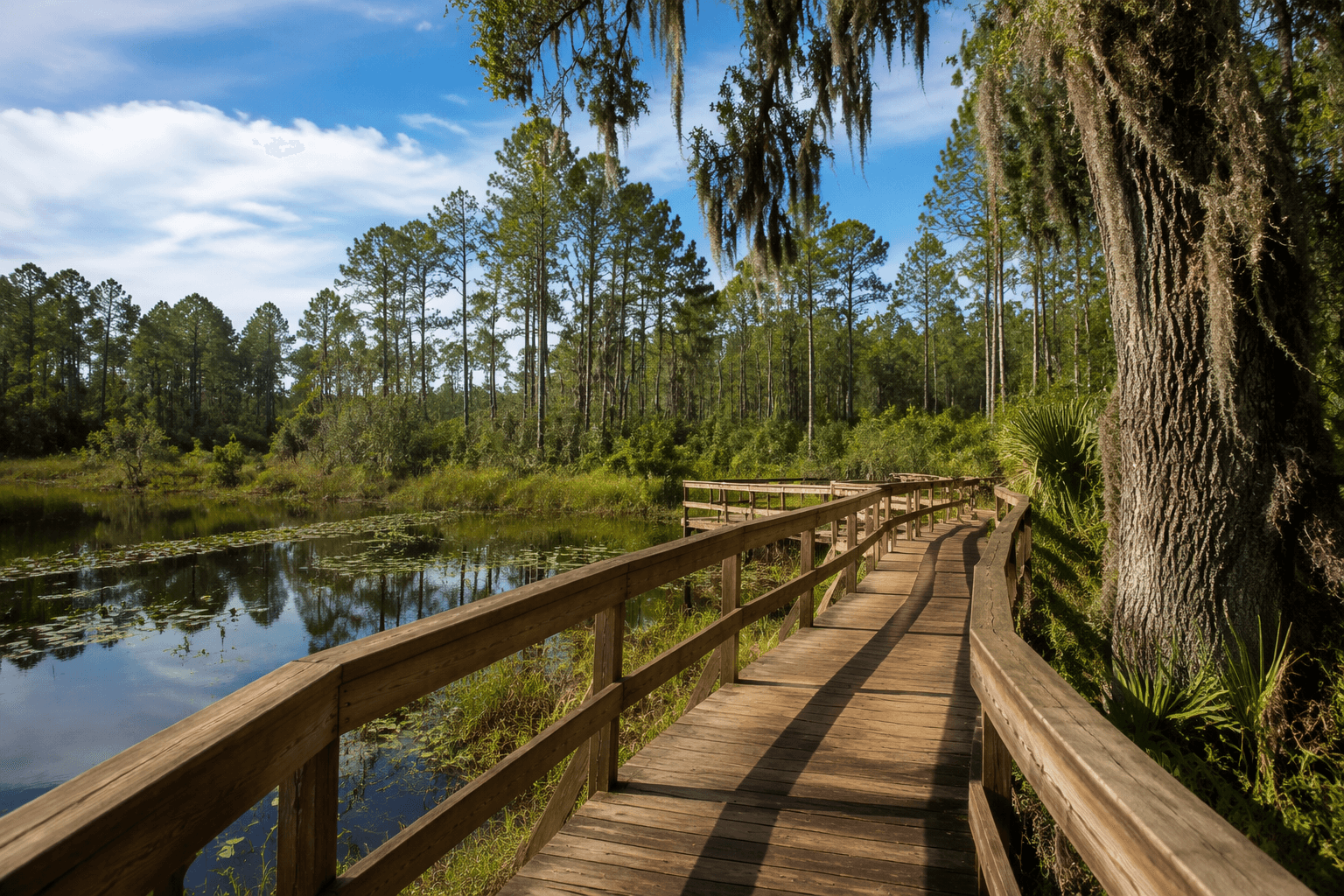
Chinsegut Wildlife and Environmental Area is one of Hernando County’s most important public land assets because it protects a compact mix of sandhills, hardwoods and freshwater wetlands just north of Brooksville. The site spans two tracts, the 408-acre Chinsegut Conservation Center and the 430-acre Big Pine Tract, and that 838-acre footprint keeps a varied landscape in public use for trails, birding and education.
That mix matters in a county where every preserved parcel carries policy weight. Chinsegut is not just a place to walk, it is part of the land base that helps define what Hernando County keeps open, how it interprets natural resources, and where public agencies choose to invest in access, signage and programming. Freshwater wetlands and broad uplands also give the county a preserved buffer that would be difficult to recreate once the land is broken up.
A habitat patchwork with countywide value
Florida Birding Trail materials describe Chinsegut as a place where sandhills, hardwoods and freshwater wetlands sit on separate tracts but function as one wildlife destination. For visitors, that means a single trip can move from dry uplands to shaded forest to wet prairie edges without leaving the site. For wildlife, it means different species can use different habitat types within a short distance, which is a major reason the area holds appeal across seasons.
The property also sits in the Brooksville Ridge region about 7 miles north of Brooksville, placing it close enough to serve local residents and close enough to matter as county land-use decisions are made. Local coverage describes Chinsegut as roughly 850 acres, a scale large enough to support habitat diversity but still small enough that management choices, funding and maintenance decisions can have visible effects on trail quality and wildlife viewing.
Why birders keep coming back
Chinsegut is listed on the Great Florida Birding and Wildlife Trail, which gives it a formal place in Florida’s statewide birding network. Florida Birding Trail’s Hernando County page says the county region has more than 20,000 acres of nature, and Chinsegut helps anchor that broader landscape as a site where birds and birds of prey can be seen in natural habitat.
The site’s placement in the West Florida section of the trail adds another layer of usefulness for people planning a birding route across the region. Instead of functioning as an isolated preserve, Chinsegut fits into a wider circuit of public lands that can support day trips, weekend outings and repeat visits when migration patterns or wetland conditions change.
Education is part of the mission
The Florida Fish and Wildlife Conservation Commission describes Chinsegut as a place to “explore quiet trails through remarkable habitats” and to enjoy a variety of educational programs. That language matters because it signals that the site is meant to do more than offer scenery. It is set up as a place where teachers, families and casual visitors can learn the landscape while using it.
FWC announced in 2021 that Chinsegut Conservation Center was launching outdoor skills programming under a new director, and local coverage noted the opening of an outdoor classroom in June 2023. Those additions turned the site into an active field site, not just a passive preserve, with instruction and outdoor learning built into the property’s public purpose.
The center’s public access hours also make that mission concrete. Local coverage says the Chinsegut site is open to the general public on Fridays and Saturdays from 8 a.m. to 2 p.m., which gives weekend visitors a reliable window for walking the trails, checking habitat conditions and using the property without a special event reservation.
What to look for on the ground
One of the best field details comes from Chronolog’s Chinsegut WEA page, which describes a wildlife viewing blind overlooking May’s Prairie, an ephemeral wetland that rises and falls with the seasons. That feature gives birders and photographers a place to watch water-driven change instead of a static trail scene, and it helps explain why the same site can look very different from one month to the next.
The April 2023 unveiling of a new Great Florida Birding and Wildlife Trail kiosk added another practical layer. Florida Birding Trail history materials credit Public Access Service Office staff, Tammy Heon of Florida’s Adventure Coast Visitors Bureau and Allie McCue, regional director of the Southwest Region, in the kiosk unveiling. The sign is a small detail, but it shows that Chinsegut is actively interpreted for the public, with birding and tourism partners helping shape how visitors move through the property.
Chinsegut Hill and the county’s policy footprint
Chinsegut’s story reaches beyond trails and wildlife. The Florida Fish and Wildlife Conservation Commission’s history page ties the property to John and Susan Bishop and grandson John Morton, linking the site to the earlier Chinsegut Hill estate and its long land-use history. Hernando County budget documents place the historic Chinsegut Hill property at 22495 Chinsegut Hill Road in Brooksville, a location that anchors the site in county records as much as in natural history.
County board records show that on Jan. 28, 2020, commissioners unanimously approved public/private partnerships involving Hernando County Government, the Tampa Bay History Center and Mid Florida Community Services, Inc. for license agreements covering portions of the historic property. That decision underscores why Chinsegut matters to local policy: it is not only preserved land, it is land that requires ongoing coordination among public institutions to keep access, history and conservation aligned.
When that coordination works, Hernando County keeps a rare combination of open space, wildlife habitat and education space in one place. If it slips, the loss is not just a trail issue, but a county land-use issue that affects birding access, environmental instruction and the public’s ability to use a well-known conservation site north of Brooksville.
This article was produced by Prism’s automated news system from verified source data, official records, and press releases, then run through automated quality and moderation checks before publishing. The system is built and supervised by the people who set the standards it runs under. Read our full AI policy.
Did this article answer your question?