Hernando County Sheriff’s Office offers behind-the-scenes citizens academy
Hernando County’s citizens academy opens a controlled window into sheriff’s office operations, but its real test is whether that access deepens oversight or simply polishes the brand.

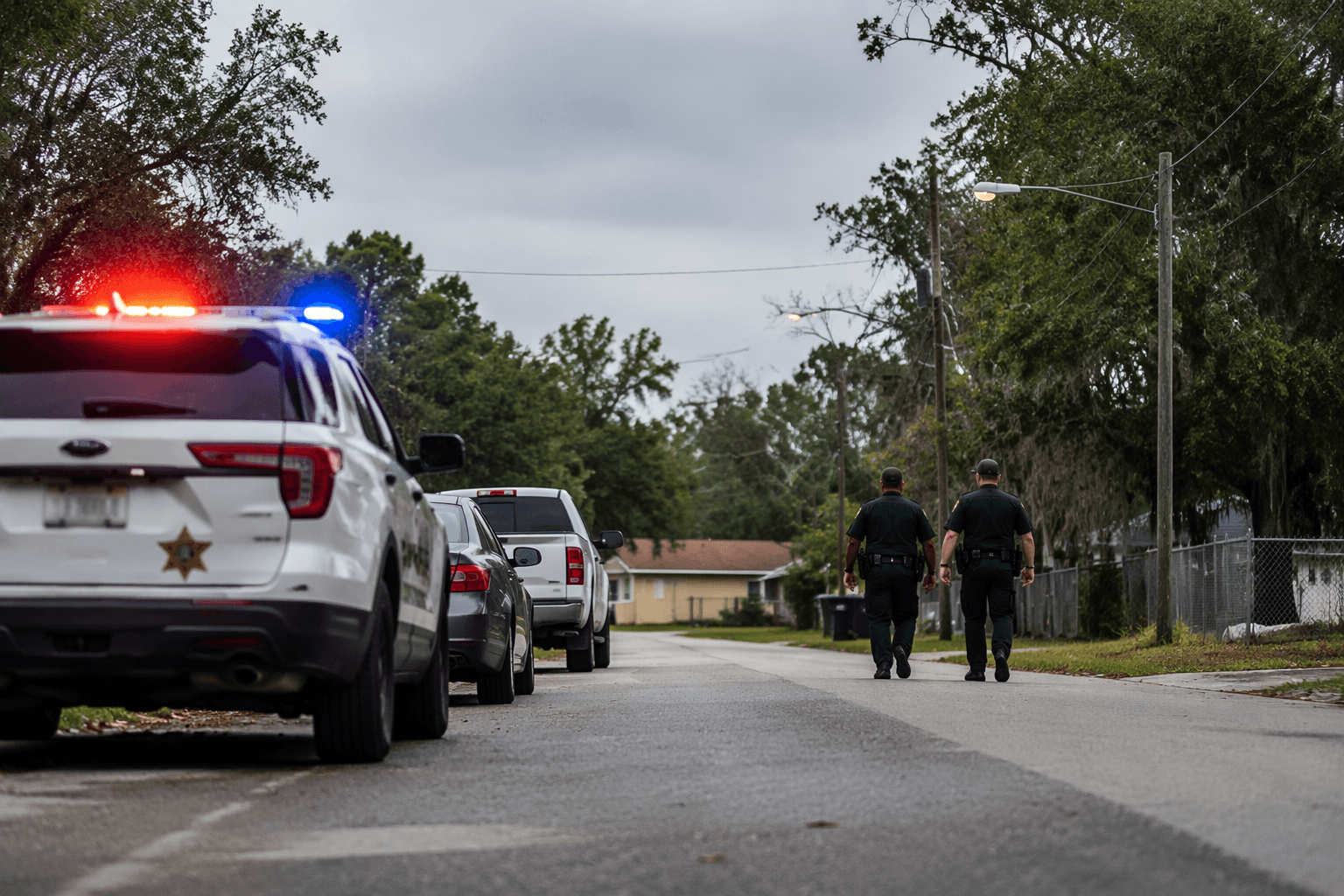
The Hernando County Sheriff’s Office is inviting residents into dispatch, patrol, and ride-along territory, but the academy’s value depends on what it shows and what it leaves in the dark. For local residents, it is a chance to see how law enforcement works from the inside, not just how it appears after an arrest, a crash, or a major call for service.
What the academy actually opens up
The sheriff’s office describes its Citizens Academy as a 10-week course held on 10 consecutive Thursdays, with the brochure calling it an “interactive, behind-the-scenes look at local law enforcement.” That framing matters in Hernando County, where residents routinely watch deputies respond to traffic stops, crime scenes, and community complaints without seeing the process that follows.
The clearest access points are practical, not ceremonial. Graduates may be given the chance to observe in the Hernando County Sheriff’s Office Communications Center or take a ride-along of up to four hours with a patrol deputy. Those are the kinds of settings ordinary residents rarely enter, even though they shape how calls are prioritized, how deputies communicate in the field, and how a routine stop can escalate into a longer investigation.
Recent promotional posts show the academy goes beyond a glossy tour. One post said participants would learn about criminal investigations, crime scene processing and forensics, patrol operations, K9 communications, and traffic enforcement. That mix gives residents a look at the steps behind a case file, from the first call to the work that happens after the scene is cleared.
- Criminal investigations
- Crime scene processing and forensics
- Patrol operations
- K9 communications
- Traffic enforcement
That is the part of the academy that functions as public education. It explains why reports take time, how different units fit together, and how much of law enforcement is about coordination rather than dramatic action.
What the materials emphasize, and what they do not
The academy’s public materials lean hard toward field operations and day-to-day procedure. They highlight patrol, communications, and ride-alongs, but they do not advertise sessions on internal affairs, disciplinary review, use-of-force policy, civilian complaints, or jail grievance handling. That gap matters because transparency is not only about seeing deputies at work, it is also about understanding how the agency checks itself.
That does not make the program superficial, but it does define its limits. Residents get a structured look at how the sheriff’s office presents its work, how calls are handled, and how specialized units operate. They do not appear to get an equally direct window into the harder questions of accountability, including how complaints are investigated or what happens when the agency is scrutinized by the public.
The sheriff’s office has also said the academy is free and open to adults 18 years of age or older. A separate post said teenagers ages 16 and 17 interested in law enforcement may also participate in related programming. In Hernando County, that broad age range makes the academy more of a civic pipeline than a single class, but the core audience remains adults who want a closer look at how local policing functions.
Sheriff Al Nienhuis also put his name on the program publicly, welcoming the latest group of Hernando County residents to the Citizens Academy. That matters because the academy is not a neutral civic club run in the background. It is part of how the sheriff’s office speaks to the community and explains itself.
Where classes meet and how the schedule has been presented
The application materials say no sessions were available at the time of the captured listing, but they also point residents to possible academy locations. Those include the Main Office / EOC Training Room in Brooksville and the Timber Pines Community Association in Spring Hill. The geography is telling: the academy reaches beyond one building and appears designed to pull in residents from both the county seat and the Spring Hill side of the county.
The program has also been promoted in different time blocks. A social post said there were openings in an afternoon session and only a few openings left in an evening session, which suggests the sheriff’s office has tried to make the class usable for working adults. Another post referenced a class beginning January 31, 2023, with Tuesday evening meetings, showing the format has shifted over time.
The 10-week structure gives the academy a clear civic rhythm. It is not a one-night presentation or a soft community meet-and-greet. The consecutive Thursday format is built for people who want to follow an arc, from introductions to more specialized operations, and then see whether the sheriff’s office follows through on the openness it advertises.
A broader countywide pattern of public engagement
Hernando County Government is using the Citizens’ Academy format too, which places the sheriff’s office program within a wider local push for public engagement. An Engage Hernando document for a 2025 Citizens’ Academy lists a Monday, October 6 meeting from 1:00 to 5:00 p.m. at the County Administration Building, 15470 Flight Path Drive in Brooksville. The document names Brian Prescott in connection with that session, showing the model is not limited to law enforcement alone.
That overlap matters because it gives residents a clue about how Hernando County institutions are trying to build trust. The county and the sheriff’s office are both using the academy format to bring people inside government operations, whether the subject is public safety or broader county administration. In a county where residents often want clearer answers about taxes, services, and public safety decisions, that kind of access can be useful if it stays more than a public relations exercise.
Why the academy is worth watching
The real measure of the Citizens Academy is not whether it produces appreciative graduates. It is whether residents leave with a better understanding of how deputies, dispatchers, and support staff make decisions, and whether that understanding includes the agency’s limits as well as its successes. When a sheriff’s office opens its doors, it should be judged by whether the public gains real oversight value, not just a warmer image.
In Hernando County, the academy offers a meaningful look inside operations that residents usually only see after something has gone wrong. The question is whether the program helps the public ask better questions, and whether the sheriff’s office is willing to answer them.
This article was produced by Prism’s automated news system from verified source data, official records, and press releases, then run through automated quality and moderation checks before publishing. The system is built and supervised by the people who set the standards it runs under. Read our full AI policy.
Did this article answer your question?