Florida session brings key wins for Hernando County
Hernando County's real session wins are showing up in budget resolutions, capital outlay and service planning, where state decisions now shape roads, water, schools and public safety.
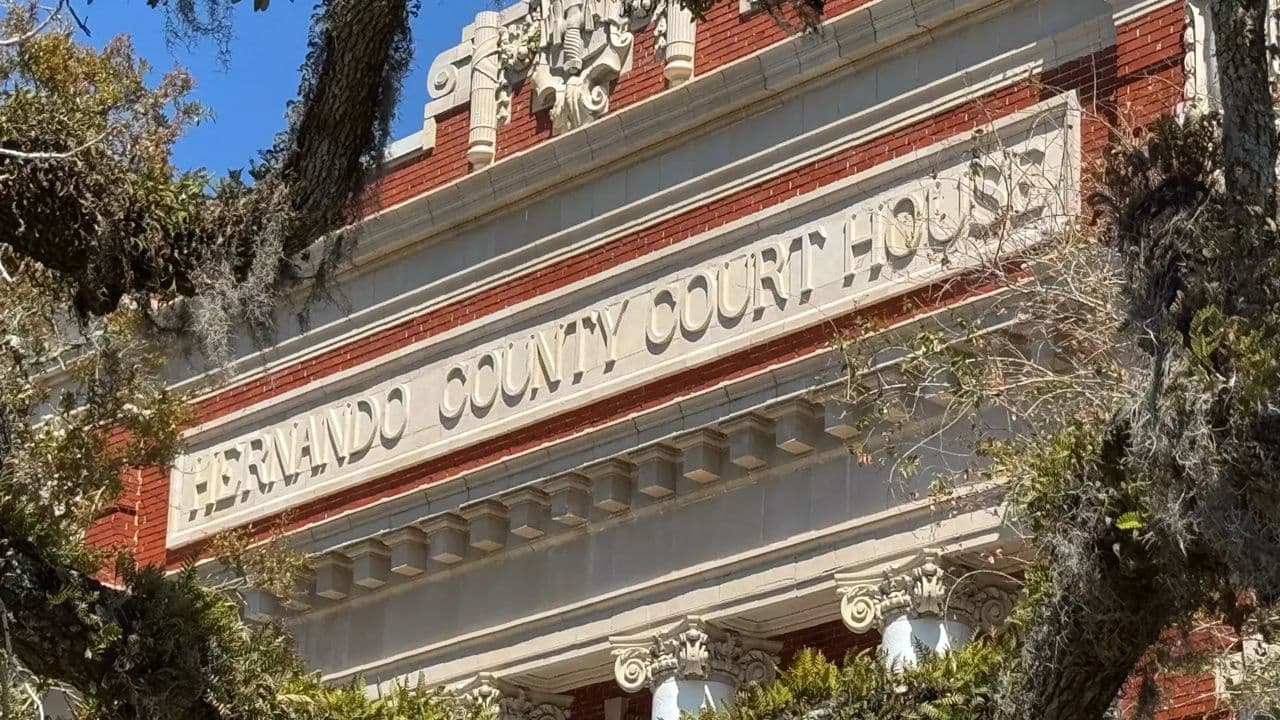
The clearest fallout from Tallahassee is not a victory lap. It is the way Hernando County has to turn state action into a budget, a resolution, and a spending plan that residents can feel in roads, water, schools, and public safety. Hernando County adopted its FY 2024-2025 budget on Sept. 24, 2024, and the county says that budget continues to address aging infrastructure and facilities.
What the legislature changes in Brooksville
Hernando County’s own budget materials say revenue estimates are based in part on legislative actions, which is why session outcomes matter even when they never make a splash outside county hall. The Board of County Commissioners, the county’s chief legislative body, is the one that must translate those state decisions into local law, spending authority, and service levels.
That translation was already underway in a July 9, 2024 county meeting reference that paired the “2024 Regular Legislative Session” with “Budget Resolutions to True Up Fund.” The county’s budget process also includes a resolution adopting the FY25 budget and related MSTU, MSBU, and local provider participation fund resolutions, the kind of housekeeping that determines whether state changes stay symbolic or become operational.
Where the money lands: infrastructure and facilities
The most visible sign of local impact is the county’s capital spending. Hernando County’s FY24-25 financial summaries show capital outlay rising from $126,115,120 to $264,688,935, a jump of 57 percent. That kind of increase tells you the county is not talking about abstract policy wins; it is trying to keep up with aging buildings, deferred maintenance, and projects that have to be funded before they can be built.
The capital improvement plan makes that concrete. For FY 2025-2029, the county lists example projects including a composting facility, a burn building for public training safety complex, an animal services expansion, and fire station construction. Those are the kinds of projects that depend on state support, state rules, and state timing, because a promise in Tallahassee does not repair a roof, pour a slab, or open a station door in Brooksville.
Public safety is not a slogan when the numbers are this large
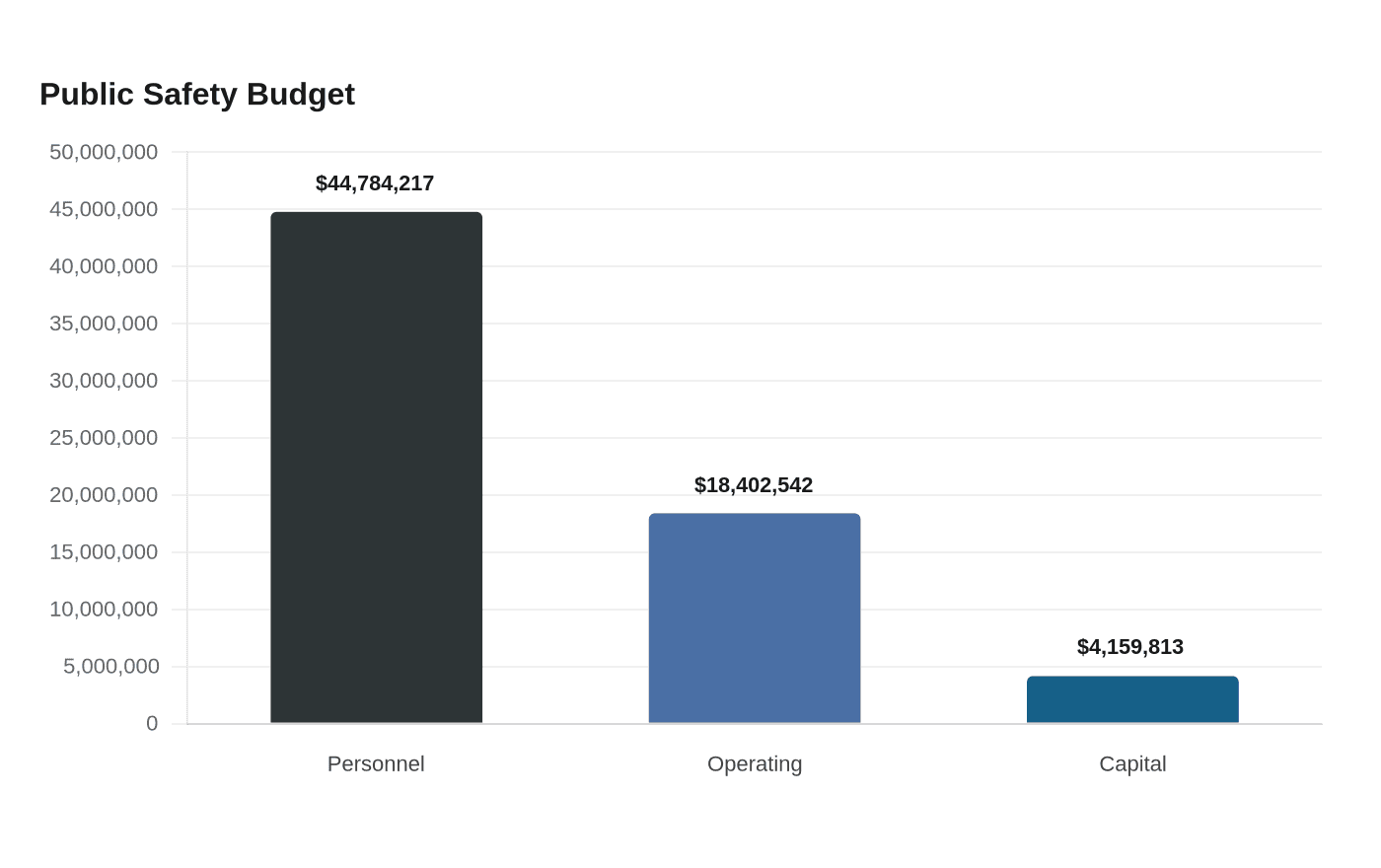
The county’s public safety budget line, excluding law enforcement, covers fire, emergency medical services, emergency management, and mosquito control. In the FY24-25 budget comparison, personnel services in that area rise to $44,784,217, operating expense reaches $18,402,542, and capital outlay is $4,159,813. Those are the lines that determine whether ambulances, response times, emergency planning, and seasonal mosquito control are adequately staffed and equipped.
That makes legislative changes especially important when they affect public safety grants, administrative flexibility, or county matching requirements. A session “win” only matters to residents if it survives the next step: the county budget that pays the people and buys the equipment.
Water and county services are part of the scorecard too
Water policy is another place where state and local decisions meet. Hernando County’s utilities area includes fleet, solid waste, water, and wastewater, and its capital outlay rises from $49,765,307 to $153,543,200 in the FY24-25 financial summaries, a 104 percent increase. That is the scale of investment behind the services residents notice only when they fail.
The county is also living with current water pressure. The Office of Management and Budget page says Hernando County is in a Modified Phase III “Extreme” Water Shortage, with an option for residents to anonymously report watering violations. In that setting, a legislative session outcome tied to water management, conservation authority, or infrastructure funding is not ceremonial. It affects how the county protects supply, enforces restrictions, and plans for growth.
The county also made a state funding request for a Hernando County Canal Management Feasibility Study, dated Dec. 18, 2023, with Sen. Blaise Ingoglia listed as sponsor. The request says the Aquatic Services and Waterways Department wants to study known problem areas in residential navigable canals west of U.S. 19. That is exactly the kind of local ask that shows whether the Legislature is backing county priorities or merely applauding them.
Schools sit inside the same state-local pipeline
School planning is part of this same system, even when the county is not the district operator. Hernando County School District’s 2023-2024 work plan says the 5-year district facilities work program is used by the Department of Education, the Legislature, the Governor’s Office, Division of Community Planning, local governments, and others as an authoritative source for school facilities information. That means state session decisions can affect not just classroom funding, but the planning framework behind new construction, maintenance, and future enrollment capacity.
For Hernando County, that matters because school facilities are one of the first places growth pressure shows up. When the county budget, the district work plan, and state legislative choices move in different directions, residents feel it in traffic, overcrowded campuses, and the long wait for capital projects to catch up.
The bottom line for local residents
The real Hernando County scorecard is not how loudly Tallahassee called something a win. It is whether the county had to adopt a budget resolution, adjust a fund, increase capital outlay, or revise a service plan because of what lawmakers did. By the time the Board of County Commissioners votes in Brooksville, the session is no longer a Capitol story. It is county business, paid for in local dollars and measured in local results.
This article was produced by Prism’s automated news system from verified source data, official records, and press releases, then run through automated quality and moderation checks before publishing. The system is built and supervised by the people who set the standards it runs under. Read our full AI policy.
Did this article answer your question?