Fort Cooper State Park, 700 Acre Resource Boosts Hernando County Recreation
Fort Cooper State Park offers more than 700 acres of trails, lake access, and history programming near the Hernando and Withlacoochee area, serving as a key local asset for outdoor recreation and education. Its combination of the Seminole Heritage Trail, Lake Holathlikaha, picnic facilities, birding habitat, and connections to the Withlacoochee State Trail matters to residents because it supports local quality of life, tourism potential, and opportunities for coordinated county planning.
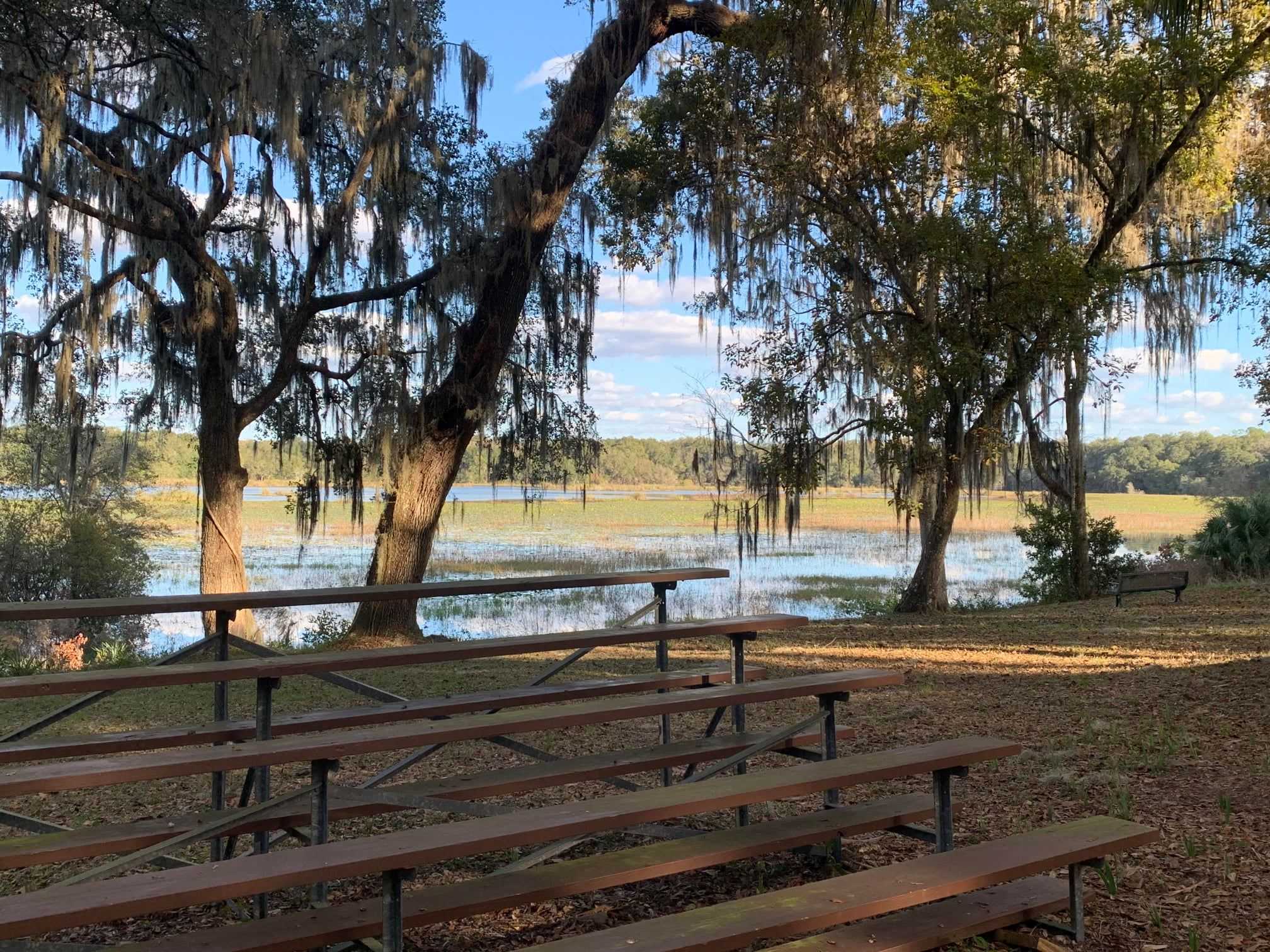
Fort Cooper State Park sits on more than 700 acres near the Hernando and Withlacoochee area, providing a mix of natural and cultural amenities that are immediately relevant to local residents and the county economy. The park features hiking trails including the Seminole Heritage Trail, lake access at Lake Holathlikaha, picnic facilities, ranger led programs, and birding opportunities, and it links directly to the Withlacoochee State Trail. Those elements combine outdoor recreation with interpretation of Seminole War heritage, making the site both a community green space and a living classroom.
For Hernando County the park functions on several fronts. Recreationally, the trails and lake access expand low cost options for exercise and family outings, which contributes to public health and reduces pressure on municipal recreation budgets. Economically, parks that connect to regional trail networks tend to amplify visitor flows because they become nodes on longer itineraries. The Withlacoochee Trail connection positions Fort Cooper to capture day visitors and trail users who bring discretionary spending to nearby businesses such as restaurants, outfitters, and lodging. The park also supports heritage tourism through its Seminole War programming, which can diversify the local visitor base beyond typical nature seekers.
From a policy perspective, maximizing the park s local impact will require modest investments and coordination. Enhancing signage and wayfinding, improving parking and accessibility, expanding ranger led educational offerings, and aligning promotion with Hernando County tourism efforts would likely raise visitation and local spending. There are opportunities to pursue state and federal grants for trail improvements and habitat management, and to formalize partnerships with schools and volunteer groups to expand programming at low cost to taxpayers.
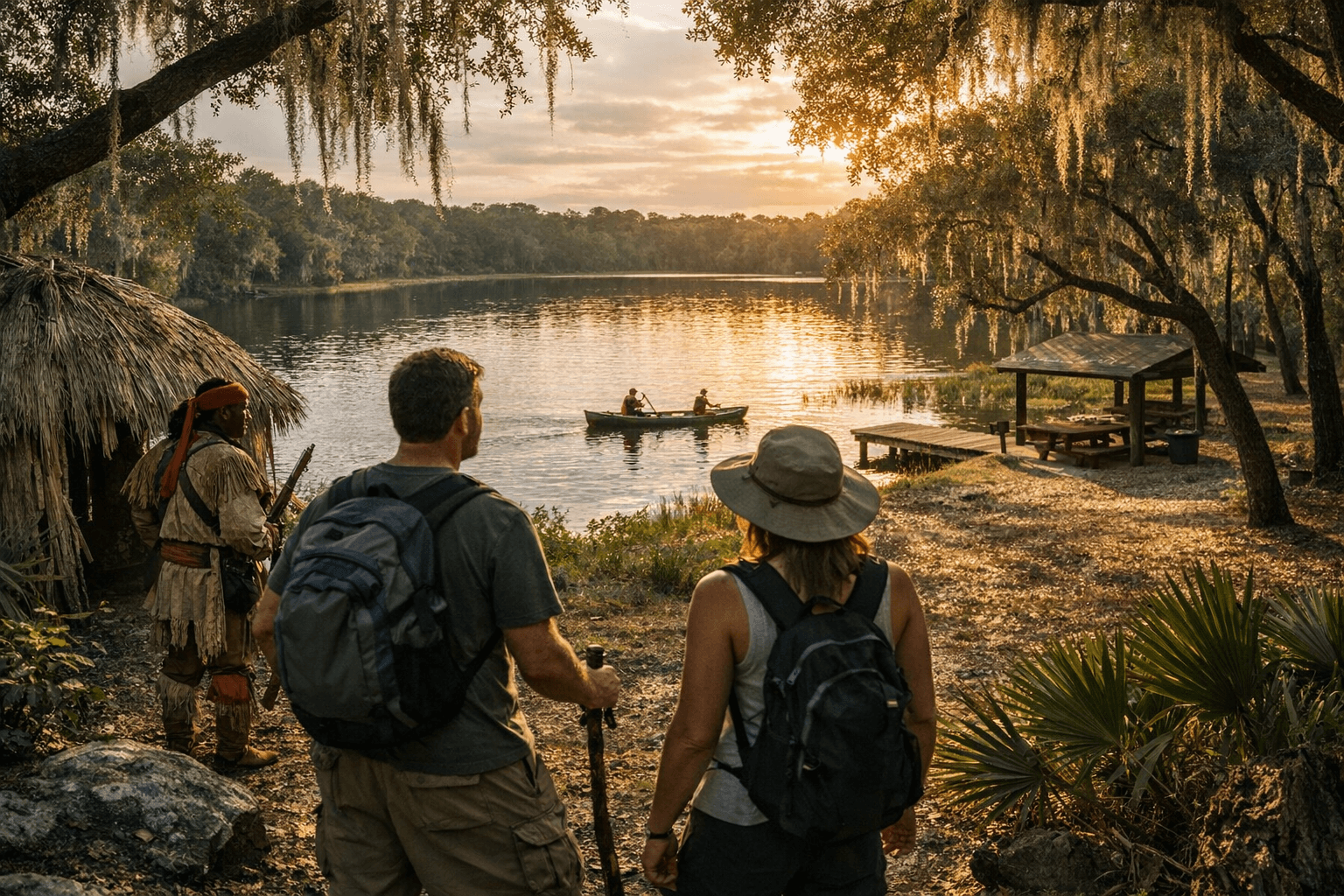
Looking longer term, preserving and promoting Fort Cooper contributes to property values, community resilience, and climate adaptation through preserved open space. As demand for outdoor experiences remains high, strategic stewardship of this park can generate sustained social and economic returns for Hernando County. For residents seeking recreation, history, or quiet birding, Fort Cooper remains a proximate and valuable public resource.
This article was produced by Prism’s automated news system from verified source data, official records, and press releases, then run through automated quality and moderation checks before publishing. The system is built and supervised by the people who set the standards it runs under. Read our full AI policy.
Did this article answer your question?