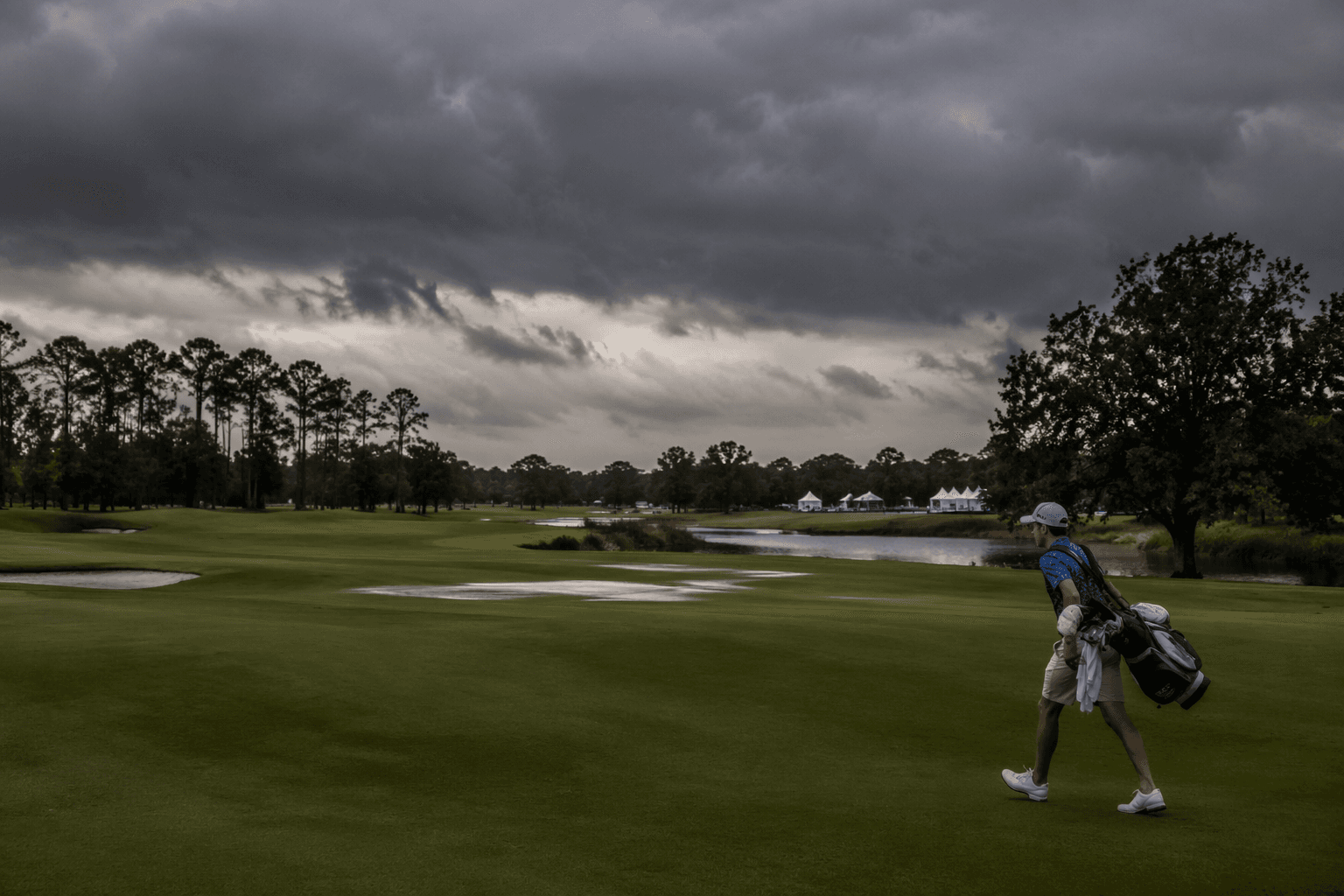
Hernando Columnist Shifts From Deer Hunting to Invasive Iguana Control
Outdoors columnist Toby Benoit has shifted focus from deer season to hunting invasive iguanas, highlighting canal-bank damage, public costs, and practical tips for Hernando residents.
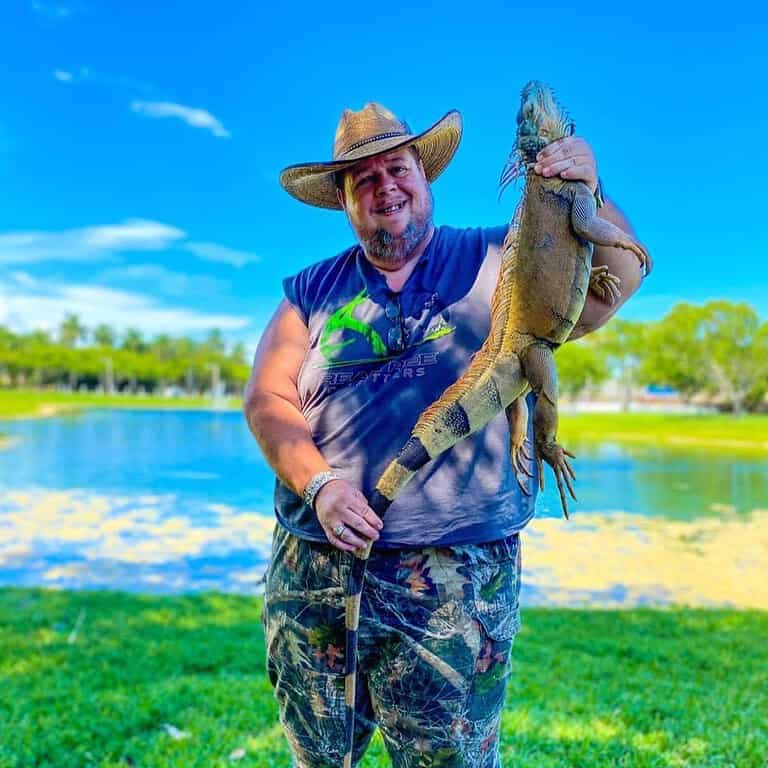
Outdoors columnist Toby Benoit has traded long rifles and deer stands for small game gear and a campaign against invasive iguanas, arguing the animals pose a real threat to canal banks and public infrastructure that matters to Hernando County taxpayers. In a column published January 18, 2026, Benoit described recent outings near the Withlacoochee River and in the Clewiston area of South Florida and offered practical guidance for residents who want to help control the invasion.
Benoit laid out why the problem is not just an ecological nuisance. Canal-bank burrowing iguanas cause bank and levee damage that leads to costly repairs for local governments. That damage can accelerate erosion, weaken flood-control structures, and shift maintenance burdens onto county budgets and, ultimately, local taxpayers. For a county along rivers and canals, those costs translate into fewer resources for other public needs.
The column mixes first-person reporting from field trips with hands-on advice. Benoit recommends a .22 air rifle for much of this work, noting its suitability for the small, often skittish targets. He also stressed legal considerations and the need to be mindful of safety and interactions with law enforcement when working on public canal banks. Benoit recounts travel to South Florida to observe higher densities of iguanas and described the canal-bank behavior that leads to burrowing and bank instability.
Beyond infrastructure, Benoit touched on community implications. He noted that iguana meat is edible and compared its flavor to chicken, and he offered to help readers locate high-density areas for control efforts. That note carries practical and social implications: for some residents the animals are a nuisance and a public-cost problem, while for others they could represent a supplemental protein source or an opportunity to reduce municipal expenses. How those responses are organized will affect which neighborhoods and residents benefit from control efforts.

Public policy questions follow. Hernando County officials and water management districts must balance wildlife management, public safety, and budgetary constraints as iguana populations expand. Coordinated responses - from permitting and ordinances to targeted removal programs - will determine whether the invasive species becomes an ongoing strain on infrastructure and equity in county services.
For Hernando residents, Benoit’s column is both a how-to and a call to attention: invasive iguanas are not just a South Florida oddity but a local problem with clear fiscal and environmental consequences. Readers interested in practical help or local hot spots can connect with Benoit through the newspaper; community engagement and clear policy will decide how effectively Hernando addresses this growing invasive-species challenge.
This article was produced by Prism’s automated news system from verified source data, official records, and press releases, then run through automated quality and moderation checks before publishing. The system is built and supervised by the people who set the standards it runs under. Read our full AI policy.
Did this article answer your question?