Hernando County District 2 Q&A highlights growth and budget priorities
District 2 will help decide how Hernando County pays for growth, roads, water limits and public safety, and the July 17 Q&A puts those tradeoffs in plain view.
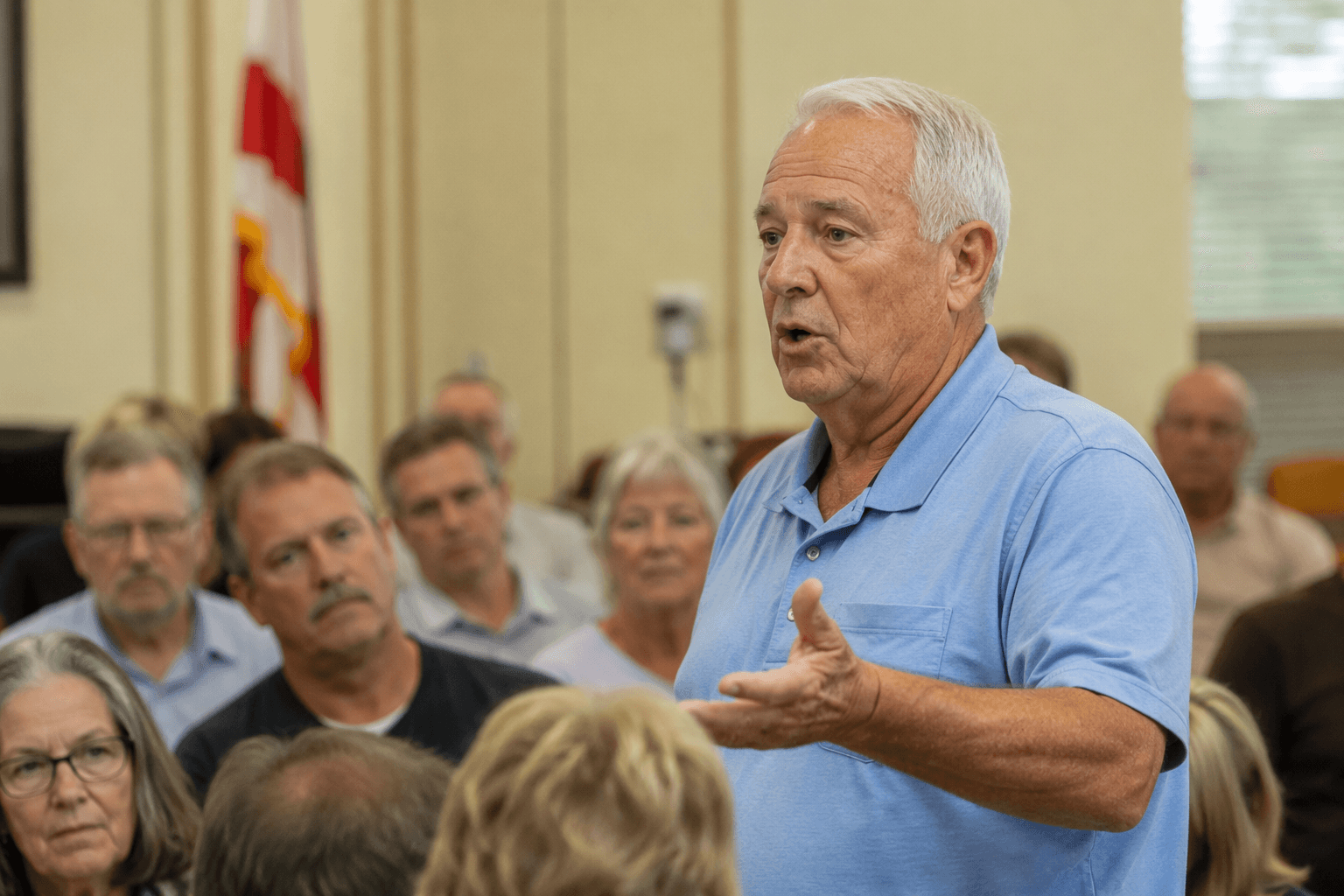
Hernando County is under a Modified Phase III Extreme Water Shortage, and District 2 is one of the county seats that will help decide whether the county absorbs growth on its own terms or lets congestion, water limits and aging facilities set the pace. The Hernando County Board of County Commissioners is the county’s chief legislative body, so the person in this seat will have a direct hand in land use, public safety funding, infrastructure, economic development and the budget decisions that touch daily life in Spring Hill, Brooksville and the unincorporated areas around them.
Why this seat matters now
Hernando Sun’s July 17 District 2 Q&A puts candidates on the record about how a commissioner would handle the next round of county choices. The questions land in a fast-growing county where road congestion, stormwater planning, parks, emergency services and development pressure all intersect at the commission table.
Hernando County adopted Resolution 2021-197 on Nov. 16, 2021, changing county commission district boundaries effective that date. District 2 is being contested on a newer political map than the one voters knew in earlier cycles, which changes the neighborhoods, development patterns and local priorities that can shape a race.
Growth, water and land use are the core test
The clearest policy pressure point is growth. Hernando County’s 2040 Comprehensive Plan ties future land-use decisions to transportation corridors, housing patterns and water considerations, which means a District 2 commissioner cannot separate zoning from roads, utilities or conservation. Every discussion about new rooftops or commercial projects carries a second-order effect on traffic flow, drainage demands and service capacity.
Water is already a live constraint. Any commissioner who supports heavier growth has to explain how the county will keep up with demand without deepening restrictions or pushing costs onto existing residents.
- how aggressively the county should approve development proposals
- whether preserving rural character should outweigh faster expansion
- what limits, if any, should be placed on new growth when water is tight
- how stormwater, drainage and utility planning should track with new permits
A strong District 2 answer should make clear where the candidate stands on:
Budget choices will decide what gets fixed first
The money side of the race is just as important. Hernando County’s FY 2024-2025 adopted budget states that the county is still addressing aging infrastructure and facilities, a line that carries real meaning in a county where road wear, building repairs and service backlogs can show up quickly. District 2 voters should expect candidates to explain whether they want to prioritize repairs, expand services, or hold spending down even if that means slower project delivery.
That budget reality also connects directly to taxes and fees. Commission seats do not just vote on ideas, they decide which needs get funded now, which get delayed and which get shifted into future budgets. Voters comparing District 2 candidates should listen for whether a commissioner would lean on the existing tax base, seek additional fees, or accept slower capital work when the county’s needs outgrow its current infrastructure.
The county’s transportation plan adds another layer. Hernando County’s 2025-2034 Transit Development Plan was adopted by the BOCC on Dec. 3, 2024, giving the county a formal roadmap for transit planning. Transportation decisions are no longer limited to patching roads after congestion appears. The transit plan places public mobility, service coverage and long-range transportation planning into the same policy conversation as growth and land use.
Public safety and service capacity sit in the same column
Commissioners also shape the funding environment for public safety and county services. In a growing county, more homes and businesses bring more calls for law enforcement support, emergency response, code enforcement and road maintenance. The District 2 seat will help determine whether those services expand in step with growth or stay flat while demand rises.
The Q&A format gives voters a chance to compare whether a candidate treats public safety as a line item to protect, a system to expand, or a cost center to hold back. It also shows whether the candidate sees county services as reacting to growth after the fact or planning ahead for the added load growth brings.
The election calendar makes the comparison urgent
The candidate field is now set. The Hernando County Supervisor of Elections lists candidate qualifying as ending on June 12 for the local election cycle reflected in the county’s current notices. With the August primary approaching, the practical job for voters is not to wait for more names to appear, but to compare the people already in the race before early voting and ballot deadlines tighten the window.
Hernando Sun published an early look at Hernando County BOCC and School Board candidates on April 13, 2026, and a candidates-forum story on July 10, 2026. The July 17 District 2 Q&A moves local campaign coverage beyond broad introductions toward specific policy positions. District 2 is part of that larger field, but its stakes are especially concrete because commission votes affect the county budget, land-use approvals and the infrastructure that follows every new subdivision.
This article was produced by Prism’s automated news system from verified source data, official records, and press releases, then run through automated quality and moderation checks before publishing. The system is built and supervised by the people who set the standards it runs under. Read our full AI policy.
Did this article answer your question?