Hernando County's five ESL preserves protect land, water and recreation
Hernando County’s five ESL preserves offer trails, fishing, history and quiet habitat, but each comes with rules that shape a weekend visit.

Brooksville-area families do not have to choose between a walk in the woods and county oversight. Hernando County’s Environmentally Sensitive Lands program, approved by voters in 1988, is built to protect land and water while still allowing public recreation that fits conservation rules. The county now has five public preserves in the system, and each one works a little differently for hikers, birders, dog owners, geocachers, equestrians and anyone planning a low-key weekend outside.
Chinsegut Hill: history, uplands and a closely managed lease
Chinsegut Hill is the preserve that ties Hernando County’s conservation work most directly to local history. The county’s management materials describe it as 114.5 acres, and the property is owned by the Florida Department of Environmental Protection’s Division of State Lands under a 50-year lease to Hernando County that runs until May 31, 2063. That lease also requires a conservation management plan update every 10 years, with the next one due June 1, 2027.
Visitors get more than a landscape here. On January 28, 2020, the Hernando County Board of County Commissioners unanimously approved public-private partnerships for Chinsegut Hill with the Tampa Bay History Center and Mid Florida Community Services, and the agreement keeps the historic building operations distinct from the undeveloped conservation land. For a weekend visit, Chinsegut Hill is the place to combine a heritage stop with a preserve setting, while remembering that the site is not a free-form park. The county’s broader preserve rules still apply: most preserves are open during daylight hours, leashed dogs are allowed, and any geocache placement needs a no-cost permit.
Cypress Lakes Preserve: lake frontage and quiet access
Cypress Lakes Preserve covers 324 acres and includes about 600 feet of frontage on the lake, which gives it a clear identity for residents looking for a quieter water-adjacent preserve. That frontage makes it one of the county’s most straightforward places to look for birds, water views and a slower pace without leaving the preserve system.
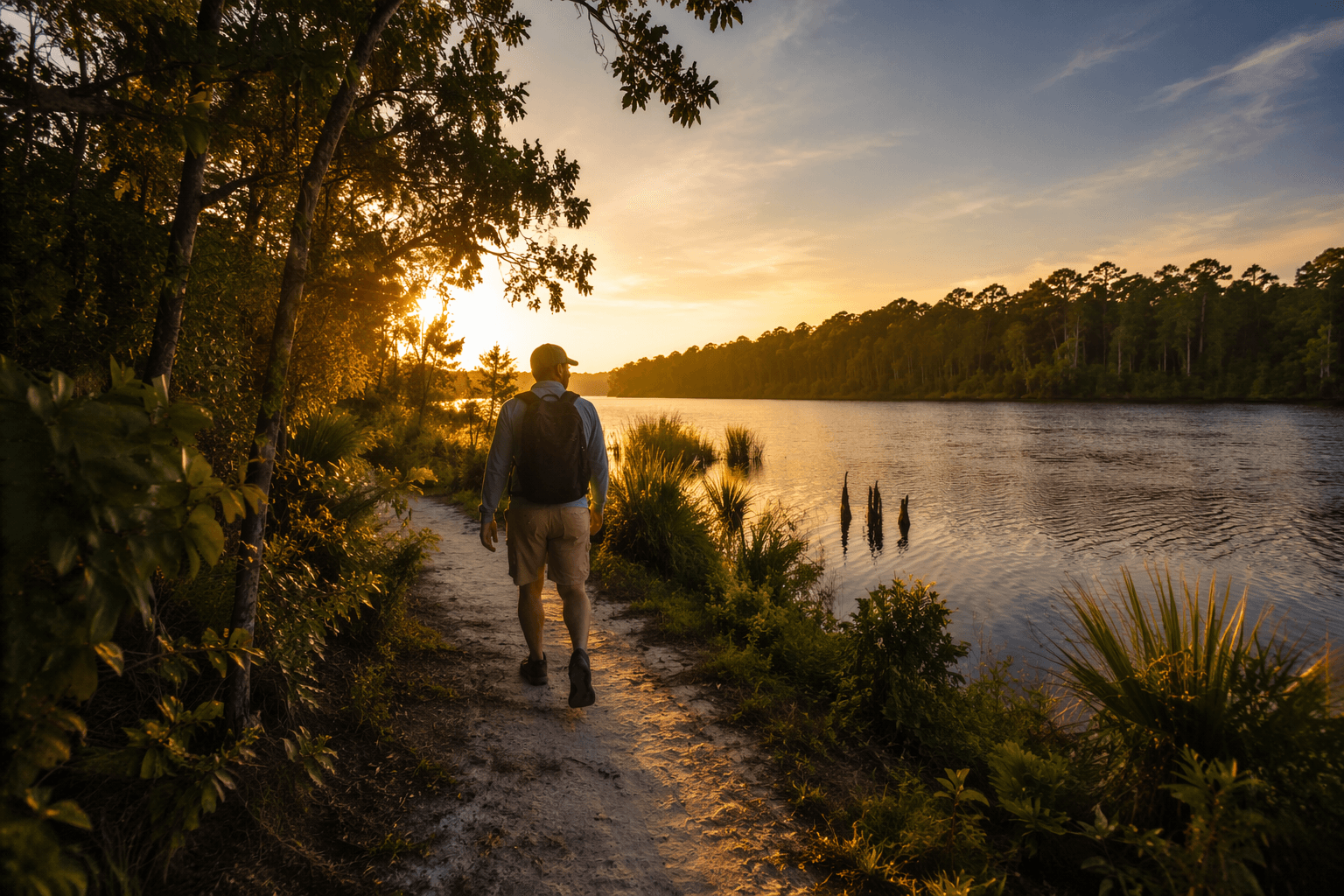
The county’s preserve rules matter here as much as the scenery. Cypress Lakes is part of the group of preserves open during daylight hours, so the visit is best planned as a daylight outing rather than an evening stop. Leashed dogs are allowed at most preserves, which makes Cypress Lakes workable for a walk with a pet, and geocaching is allowed only with the county’s no-cost permit process. It is one of the clearest examples of the county’s balance: access is real, but it is managed so the lake edge and surrounding habitat stay protected.
Fickett Hammock Preserve: an undisturbed setting with light footprints
Fickett Hammock Preserve is the county’s 149-acre option for people who want the feel of a nearly untouched landscape. Hernando County describes it as a virtually undisturbed setting, and that description matters because it signals the kind of visit this preserve supports: quiet observation, short walks and low-impact use rather than heavy development.
That lighter footprint is part of the county’s conservation strategy. The Environmentally Sensitive Lands program is meant to protect, preserve, improve, maintain and enhance environmentally sensitive lands and natural resources, and Fickett Hammock reflects that mission in its plainest form. Residents planning a visit should still follow the county’s core access rules, including daylight-only use and leashed dogs at most preserves. If you are hoping to use the site for geocaching, the county requires a no-cost permit before any cache placement, another reminder that the preserve is managed for both recreation and habitat protection.
Lake Townsen Preserve: the most developed stop in the system
Lake Townsen is the preserve to choose when you want the strongest mix of recreation and conservation. The county’s updated management plan describes Lake Townsen Preserve as 375 acres, and Lake Townsen Regional Park adds 37 developed acres and 338 acres of open space. That combination gives visitors hiking trails, horseback riding trails, a fishing pier and boat ramp, picnic areas, a playground, baseball, basketball, volleyball and horseshoes, along with access to the Withlacoochee State Trail.

Lake Townsen is also the one preserve where the county’s access rules carry the most practical planning detail. The park is open 24/7, but equestrian trailers have a parking fee, so riders should plan for that expense before arriving. County projects materials show that the site is still being actively shaped, including habitat work for a gopher tortoise recipient site and restoration of longleaf pine sandhill communities to meet Florida Fish and Wildlife Conservation Commission criteria. The county also said in 2021 that a habitat project would use a 100-acre forestry herbicide treatment to target encroaching woody vegetation, and broader preserve management can include invasive plant control, prescribed fire, tree thinning and mowing. Lake Townsen is where the county’s promise of public access is most visible on the ground.
Peck Sink Preserve: appointment-only access and the tightest guardrails
Peck Sink is the preserve to plan around, not the preserve to drop into on impulse. The county says it is open by appointment only, making it the exception inside a system where most preserves are open during daylight hours. That limited access is the strongest signal that Peck Sink is being managed with a higher level of control to protect sensitive land.
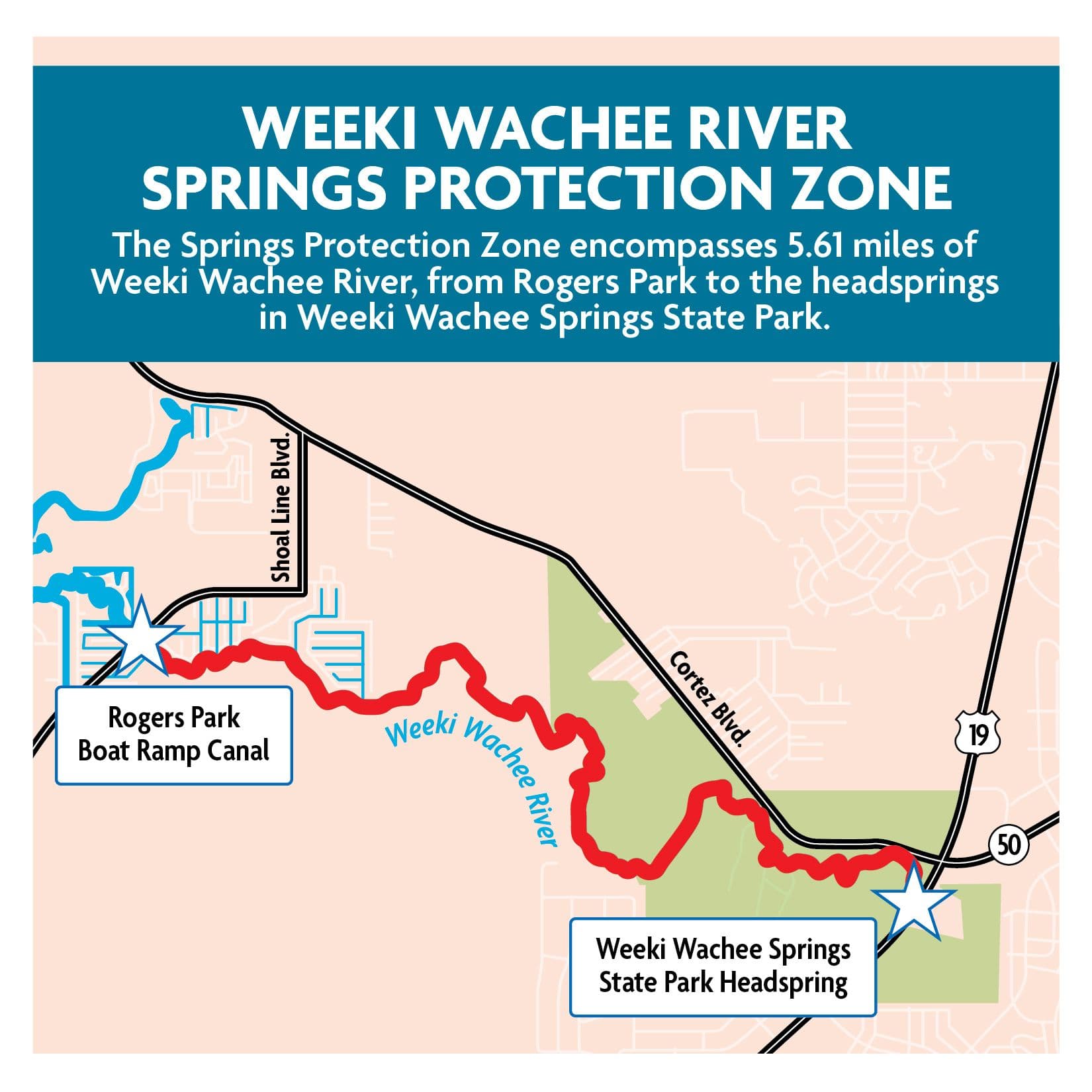
For weekend visitors, the rule is simple: do not assume you can show up and wander in. The preserve belongs in the same county conservation framework as Chinsegut Hill, Cypress Lakes, Fickett Hammock and Lake Townsen, but its public access is more restricted. That is consistent with the program’s purpose, which goes beyond recreation to include water-quality protection, habitat restoration, scenic landscapes and outdoor education. Hernando County’s broader natural-resources work, including the Springs Protection Zone approved in 2023 for the Weeki Wachee River, shows the same principle across the county: access is welcome, but only when it protects the land that makes that access possible.
The county is also trying to build public awareness around all five preserves through a Tide for a Cause partnership with Tidal Brewing and Roots Creative Company, pairing each preserve with a limited-release beer inspired by that site. It is a small but telling sign that Hernando County wants residents to know these places as living parts of the community, not just lines on a map.
This article was produced by Prism’s automated news system from verified source data, official records, and press releases, then run through automated quality and moderation checks before publishing. The system is built and supervised by the people who set the standards it runs under. Read our full AI policy.
Know something we missed? Have a correction or additional information?
Submit a Tip